Emergency Plant Communication Multilingual Workers
By New Heights Languages ·
Learn how to execute emergency plant communication multilingual workers understand during severe weather closures, shift cancels, and storm alerts.
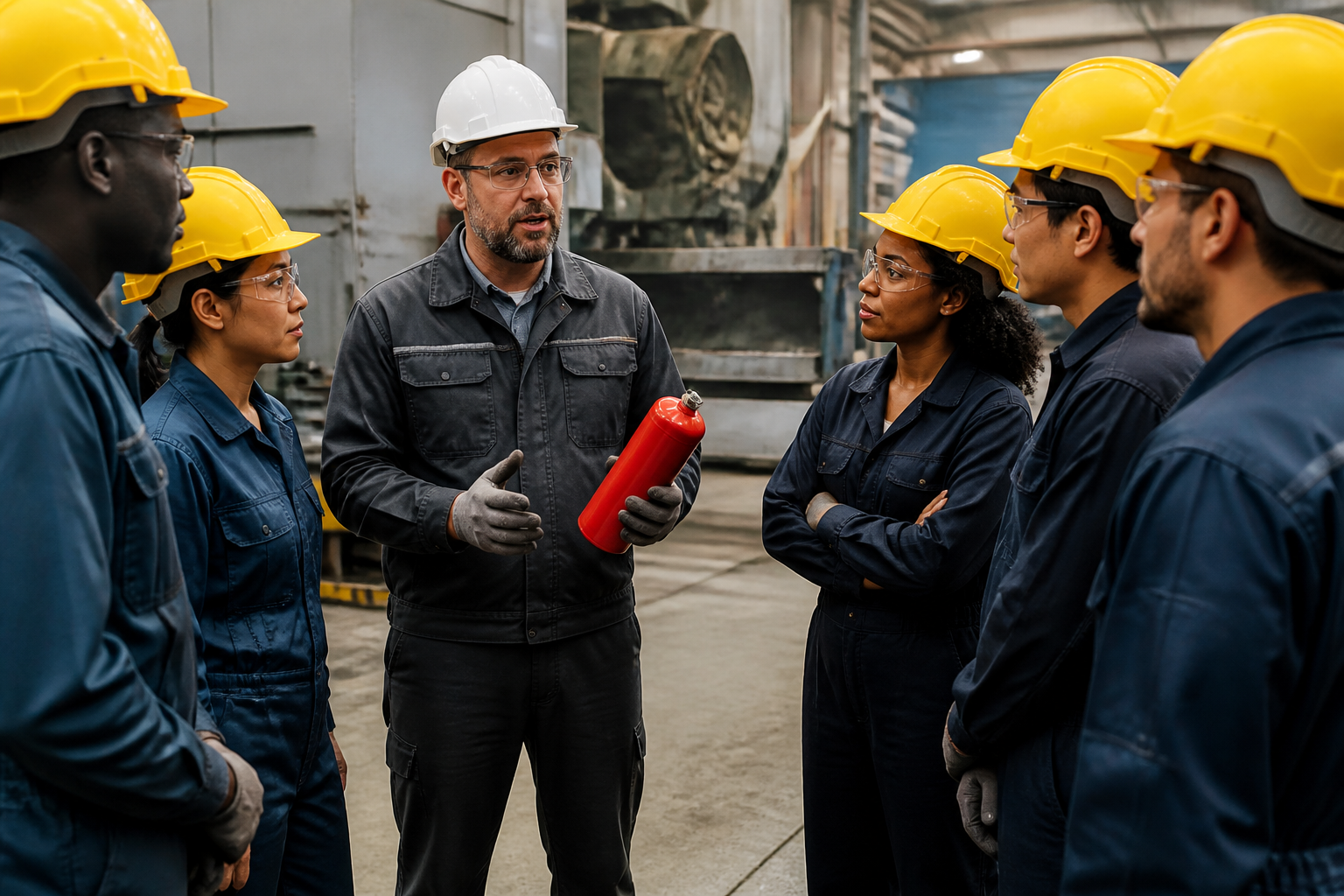
When severe weather strikes—whether it is a winter ice storm, a localized tornado warning, or sudden flash flooding—plant managers must make split-second decisions about shift cancellations, early dismissals, and delayed starts. However, broadcast text messages and automated phone trees often fall short when sent to limited English proficient (LEP) employees. Standardizing your emergency plant communication multilingual workers can process in real time is essential to keeping everyone safe on and off the clock.
During extreme weather events, unclear messaging creates immediate risks. Workers may drive through dangerous road conditions to show up for a cancelled shift, or they may fail to evacuate a production facility when severe weather impacts the immediate area. Building an adaptable crisis communication strategy ensures every crew member receives, understands, and acts on urgent operational changes.
The High Cost of Ambiguous Emergency Alerts
Many plant notification systems rely on automated templates written in complex, corporate English. When sent during high-stress moments, idioms and dense phrasing lead to dangerous misunderstandings on the shop floor and in the parking lot.
Common Hazards of Poorly Translated Alerts
- Idiomatic language confusion: Phrases like "batten down the hatches," "skeleton crew," or "play it by ear" do not translate literally into Spanish, Vietnamese, or Somali.
- Vague call-to-action instructions: Phrases like "use your best judgment regarding attendance" leave non-native English speakers uncertain if missing a shift will trigger a disciplinary point under strict attendance policies.
- Misinterpreted shift adjustments: Confusing "delayed start by two hours" with "second shift cancelled" leads to understaffed lines or stranded workers.
When employees are unsure about plant status, panic sets in. Workers often rely on informal group chats or word-of-mouth translation networks, which frequently spread incorrect details about severe weather plant closures.
Auditing Mass Notification Systems for Multilingual Reach
Most modern manufacturing facilities use automated text (SMS) and email notification systems to send blast messages. However, automated systems are only as effective as the language settings and template structures built into them.
Aligning SMS Technology with HRIS Language Data
Your Emergency Notification System (ENS) must pull language preferences directly from your Human Resource Information System (HRIS). If a machine operator prefers written communication in Spanish or Vietnamese, their contact profile in the notification system must mirror that preference automatically.
Creating Pre-Approved Dual-Language SMS Templates
Never draft emergency texts from scratch while a storm is actively rolling in. Pre-draft and professionally translate your severe weather templates ahead of storm season. Ensure each template includes clear, direct details:
1. Facility Name & Location: Specify the exact plant or building.
2. Status Action: Explicitly state "PLANT CLOSED," "DELAYED START," or "EARLY DISMISSAL."
3. Specific Time: Provide exact times (e.g., "Shift starts at 9:00 AM," not "2 hours late").
4. Pay & Attendance Policy: Clarify immediately if the shift cancellation is paid or if point penalties are waived.
Upgrading the emergency plant communication multilingual workers receive to pre-formatted, translated text messages eliminates guesswork during a crisis.
Establishing Two-Way Read Receipts and Supervisor Verification
Sending an emergency alert is only half the battle; confirming that the message was received and understood is critical. Relying solely on outbound broadcasts leaves operations blind to who is safe and who might still be traveling toward a closed facility.
Implementing Simple Text Response Triggers
Configure your messaging software to require a simple, single-character response from employees to verify receipt. For instance:
- Reply 1 to confirm you received this message.
- Reply 2 if you need emergency assistance or transport confirmation.
Numeric triggers transcend language barriers, enabling rapid tracking of response rates across large manufacturing plants. HR and safety leaders can quickly filter reports to see which employees have not acknowledged the alert.
Direct Supervisor Check-Ins
For crew members who do not respond to automated texts within 30 minutes, shift supervisors must initiate direct follow-up calls. Supervisors should use plain language and standardized verification questions rather than asking open-ended questions like, "Did you get the text?"
Instead, supervisors should confirm comprehension by asking: "Are you coming to the plant today at 9:00 AM, yes or no?"
Building Severe Weather Vocabulary into Workplace Language Training
Technology alone cannot solve every communication gap on the shop floor. Incorporating severe weather vocabulary into your ongoing employee development programs creates long-term operational resilience.
Training on Key Hazard and Policy Terminology
Ensure your workplace English programs explicitly cover severe weather and shift change terminology. Employees should be confident reading and responding to high-priority terms such as:
- Shelter-in-Place: Move to designated interior storm rooms immediately.
- Staggered Dismissal: Leaving the plant in assigned groups to manage traffic safety.
- Point Waiver: Confirmation that attendance points will not be assessed during severe weather events.
Establishing clear protocols for emergency plant communication multilingual workers can trust reduces confusion during chaos and strengthens retention by demonstrating that leadership prioritizes employee safety.
Protect Your Workforce Before the Next Storm Hits
Clear, direct emergency communication prevents workplace accidents, reduces unnecessary travel in hazardous conditions, and protects your operational efficiency. Upgrading your SMS tools, standardizing your templates, and training your supervisors are critical steps toward a safer facility.
New Heights Languages helps manufacturing and construction employers build customized workplace English and Spanish programs that improve safety, quality, and crisis response across multilingual teams.
[Book a free consultation today](/contact) to evaluate your current emergency communication strategies and empower your multilingual crew.
<!-- featured image alt: A plant supervisor demonstrating emergency communication protocols to a group of multilingual manufacturing workers inside a modern industrial facility. -->