How HR Teams Can Support Multilingual Workforces
By New Heights Languages ·
The Silent Challenge Killing Morale on the Manufacturing Floor
The Silent Challenge Killing Morale on the Manufacturing Floor
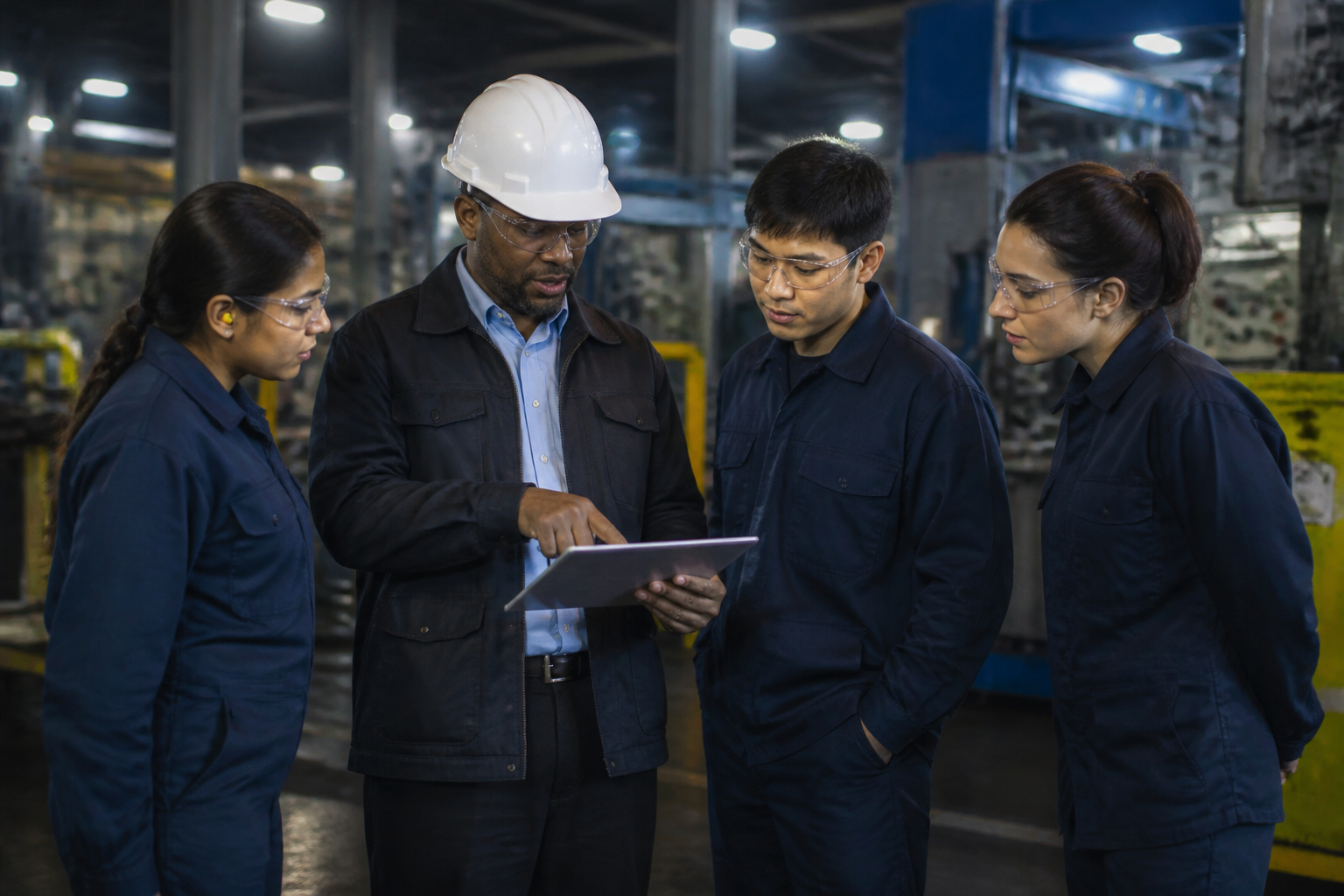
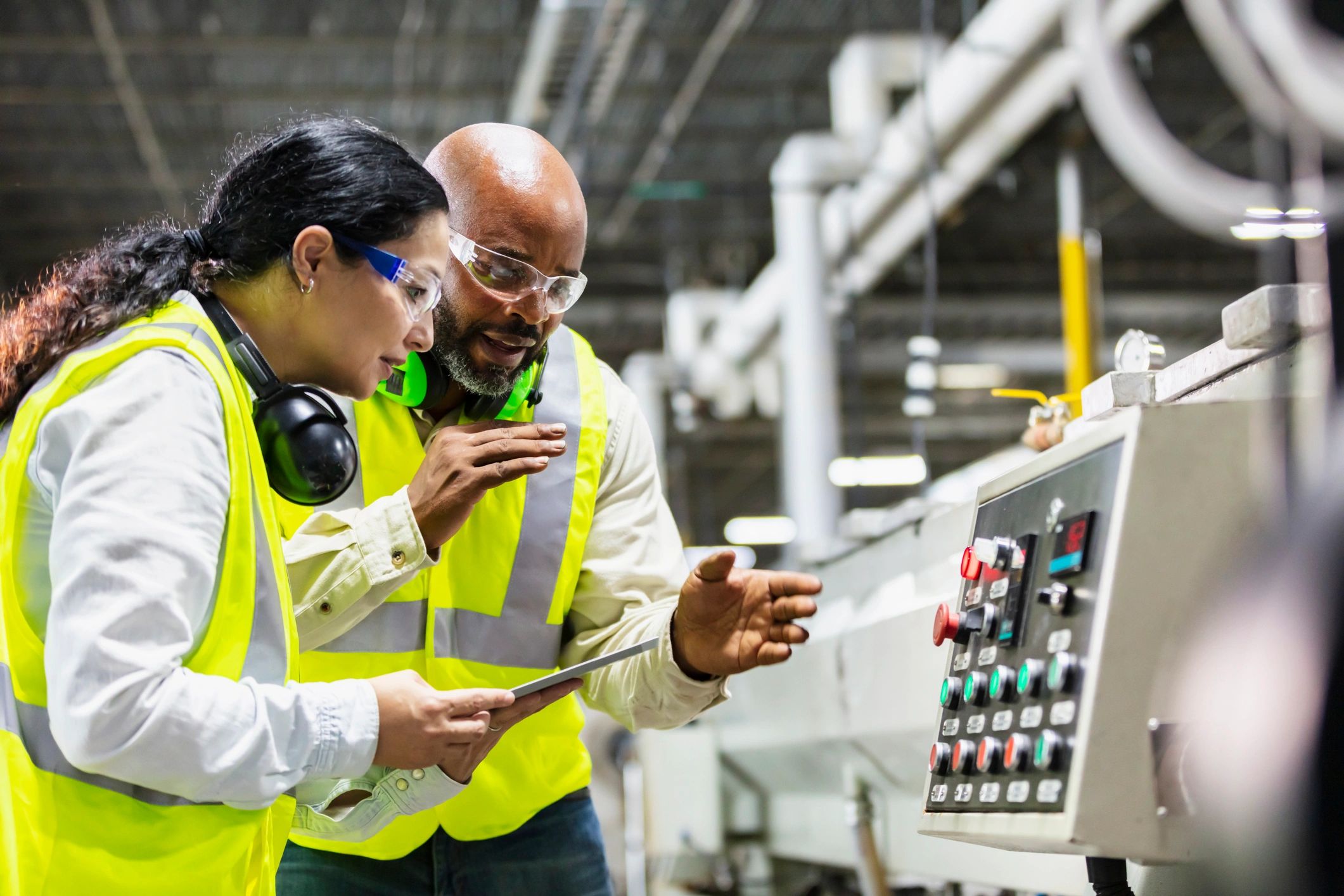
In manufacturing hubs like Athens, GA, where diverse talent fuels production, language differences can quietly undermine safety, efficiency, and retention. With multilingual teams on the floor, miscommunication isn’t just an inconvenience—it’s a critical risk. When workers don’t fully grasp safety protocols, machine instructions, or shift handoffs due to language barriers, the consequences ripple across operations: increased errors, rework, downtime, and ultimately, disengagement. In fast-paced industrial environments, unclear communication doesn’t just slow production—it erodes trust and inclusion. Employees who struggle to understand or be understood are less likely to speak up about hazards, ask clarifying questions, or feel valued within their teams. This disconnect fuels frustration, raises retraining costs, and contributes to higher turnover, especially during onboarding and shift transitions.
This section explores how HR teams can proactively address these challenges by embedding clear, accessible communication into daily operations. You’ll learn practical strategies tailored for multilingual manufacturing settings—from role-specific language support to inclusive training practices—that strengthen workforce cohesion, safety compliance, and long-term retention.
5 Actionable Strategies to Support Multilingual Workforces in Manufacturing
Supporting a multilingual workforce isn’t just about translation—it’s about creating inclusive systems that ensure every employee, regardless of English proficiency, can succeed. In fast-paced environments like those in Athens, GA, clear communication directly impacts safety, efficiency, and retention. Here are five proven strategies HR teams can implement to bridge language gaps and foster stronger team cohesion.
- Implement Role-Specific Language Training Programs
Go beyond general ESL by offering training tailored to standard operating procedures, machine operations, and safety protocols. Employees retain more when learning in context—using real-world phrases they encounter daily on the production floor. This targeted upskilling improves comprehension, reduces errors, and accelerates time-to-competency for new hires.
- Standardize Multilingual Communication Tools
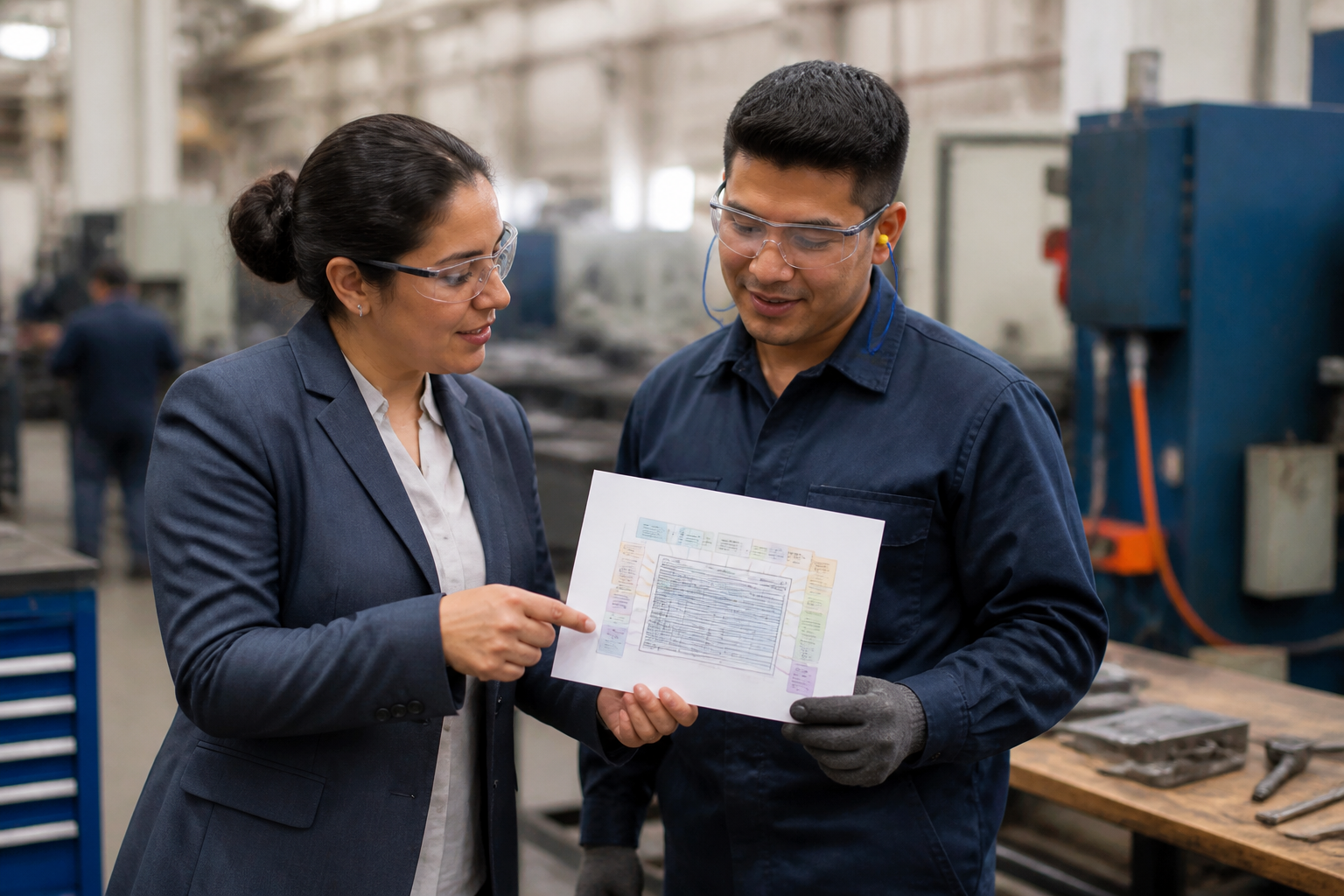
Equip teams with consistent, translated job aids—checklists, safety posters, and visual work instructions—in the most common languages spoken onsite. Pairing visuals with simple, high-frequency language ensures critical information is accessible during shift changes or emergency procedures, especially in high-noise areas where verbal communication fails.
- Establish Bilingual Mentorship Roles
Designate bilingual employees as communication liaisons or peer mentors. These individuals help clarify instructions, model proper terminology, and create psychological safety for non-native speakers to ask questions. Recognizing this role formally encourages leadership development and increases trust across teams.
- Conduct Inclusive Onboarding with Language Access
Revamp onboarding to include translated materials and interpreters during orientation. Ensure key topics—safety compliance, attendance policies, and reporting structures—are clearly conveyed. Employees who understand expectations from day one are more confident, engaged, and likely to stay long-term.
- Host Regular Multilingual Feedback Sessions
Create safe spaces for employees to voice concerns, share ideas, or report misunderstandings—using preferred languages. These sessions not only surface operational risks but also show employees their voices matter, driving inclusion, loyalty, and continuous improvement across shifts.
How HR-Led Language Initiatives Strengthen Workplace Culture
HR teams play a pivotal role in shaping inclusive environments where multilingual workforces thrive. By implementing language access initiatives—such as role-specific language training, bilingual mentoring programs, and multilingual signage—HR directly enhances employee morale, reduces turnover, and strengthens team cohesion. These efforts ensure that every worker, regardless of native language, fully understands safety protocols, production expectations, and company values.
When employees grasp critical information in their preferred language, they feel more confident, capable, and respected. This psychological safety leads to increased engagement, particularly during shift handoffs and team huddles in fast-paced manufacturing settings across Athens, GA, and similar industrial regions. Workers are more likely to contribute ideas, report concerns, and support peers when communication barriers are minimized.
To maximize impact:
- Conduct regular language needs assessments during onboarding and performance reviews
- Deliver training using visual aids, hands-on demonstrations, and simplified technical terms
- Empower bilingual team members as peer coaches to support real-time understanding
Consistent, accessible communication fosters belonging and professional growth, especially in environments where standard operating procedures, equipment troubleshooting, and safety complianceare critical. As employees feel heard and equipped to succeed, retention improves and cross-functional collaboration strengthens. The result is a more unified, resilient workforce built on trust, clarity, and mutual respect—essential for long-term operational excellence.*
Building a Stronger, More Connected Workforce Starts Here
Proactive HR support in language development is not just an add-on—it's a strategic driver of resilience, engagement, and operational efficiency. By addressing communication gaps head-on, HR teams enable clearer understanding of safety protocols, standard operating procedures, and performance expectations across diverse teams. This clarity reduces errors, strengthens compliance, and fosters a culture where every employee can contribute confidently.
When workers feel understood and equipped with the language skills relevant to their roles—especially in high-stakes manufacturing environments like those in Athens, GA—they are more likely to engage, stay, and grow within the organization. Multilingual support boosts onboarding success, enhances safety reporting, and builds trust between frontline workers and leadership.
To move forward:
- Assess current communication breakdowns during shift changes, training, or incident reporting
- Integrate role-specific language development into existing training programs
- Use visual aids and simplified terminology to reinforce understanding across language levels
- Encourage peer collaboration and recognize bilingual team members as communication champions
The impact goes beyond productivity—it strengthens team cohesion, retention, and workplace safety. Start by evaluating your current practices, then implement targeted improvements that align with real-world operational demands.
Your workforce is your greatest asset. Invest in their ability to communicate, and watch engagement, efficiency, and loyalty grow.
CTA:
Book your FREE Consultation Now via https://cal.com/newheightslanguages!
Visit New Heights Languages, LLC to see how you can increase retention, production, and safety while reducing language barriers for your team.