How Language Barriers Impact Safety in Manufacturing
By New Heights Languages ·
How Language Barriers Impact Safety in Manufacturing
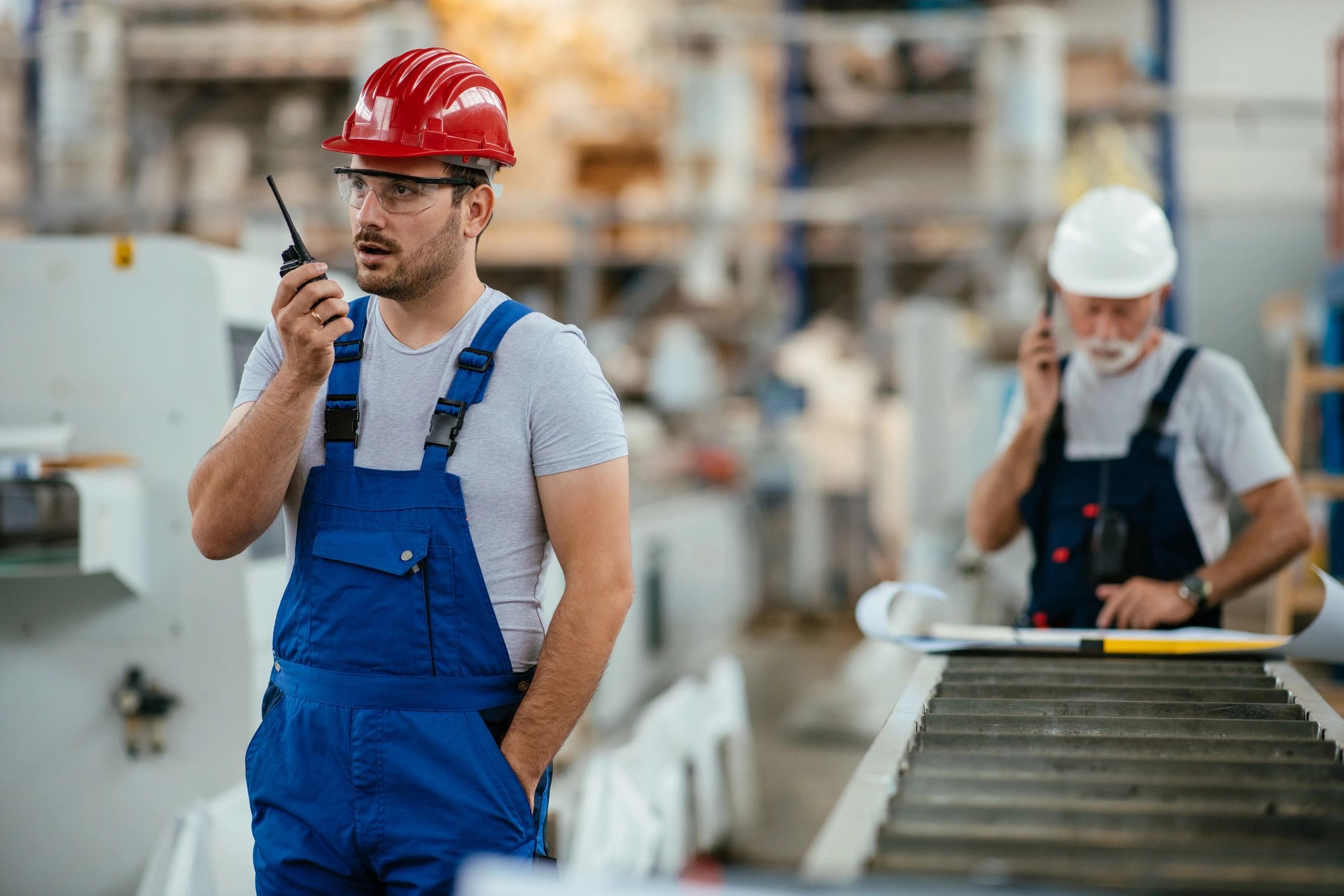
How Language Barriers Impact Safety in Manufacturing
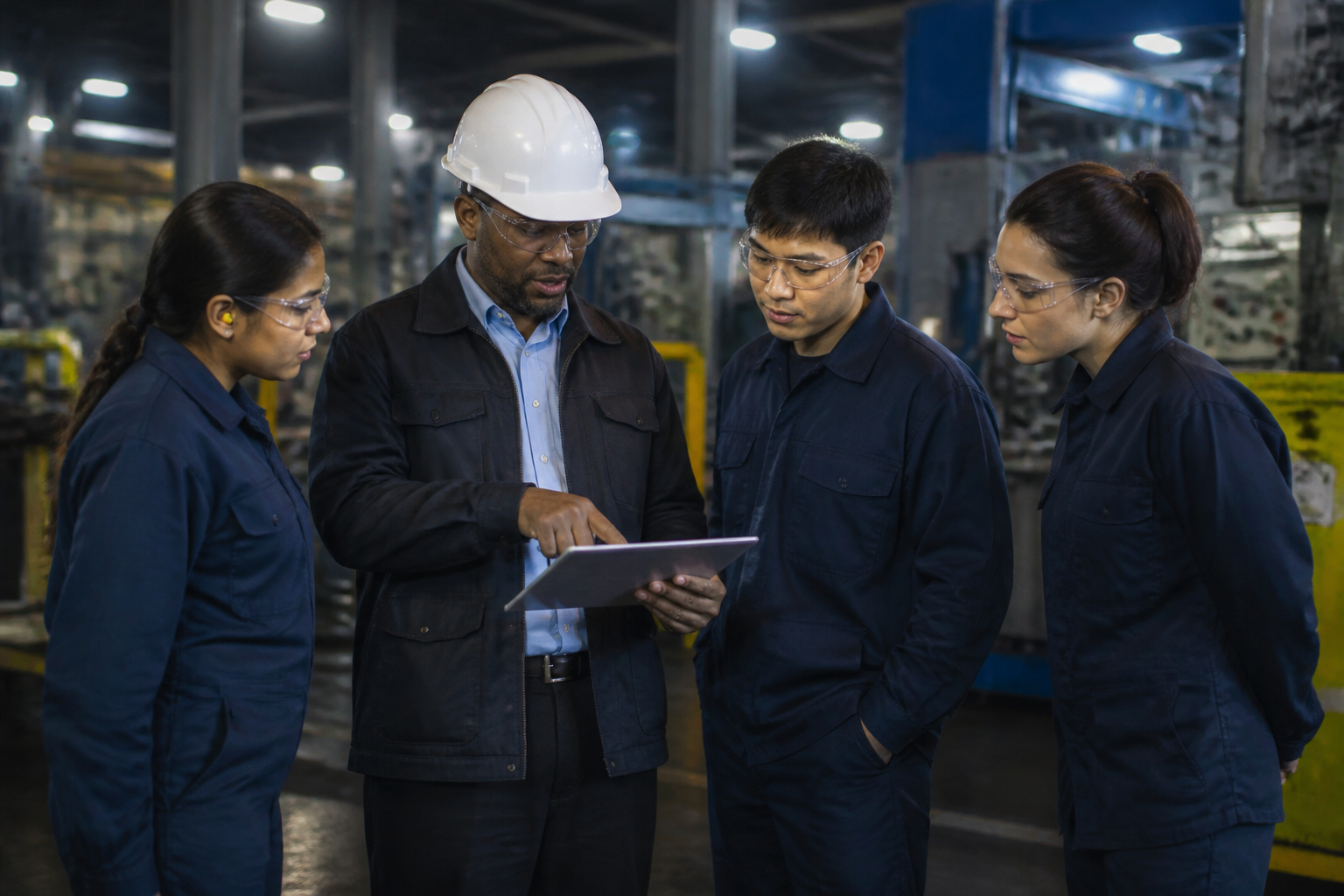
In manufacturing environments, clear communication is a cornerstone of workplace safety. Yet, as industries across regions like Athens, Georgia embrace diverse workforces, language barriers are emerging as a silent but serious risk. When employees don’t fully understand safety protocols, equipment instructions, or emergency procedures, the consequences can be costly—or even life-threatening.
Miscommunication often leads to misunderstandings about critical practices like lockout/tagout procedures, proper PPE usage, and hazard alerts. A worker might misread a sign, confuse similar-sounding terms, or miss key steps in an evacuation plan simply due to limited language proficiency.
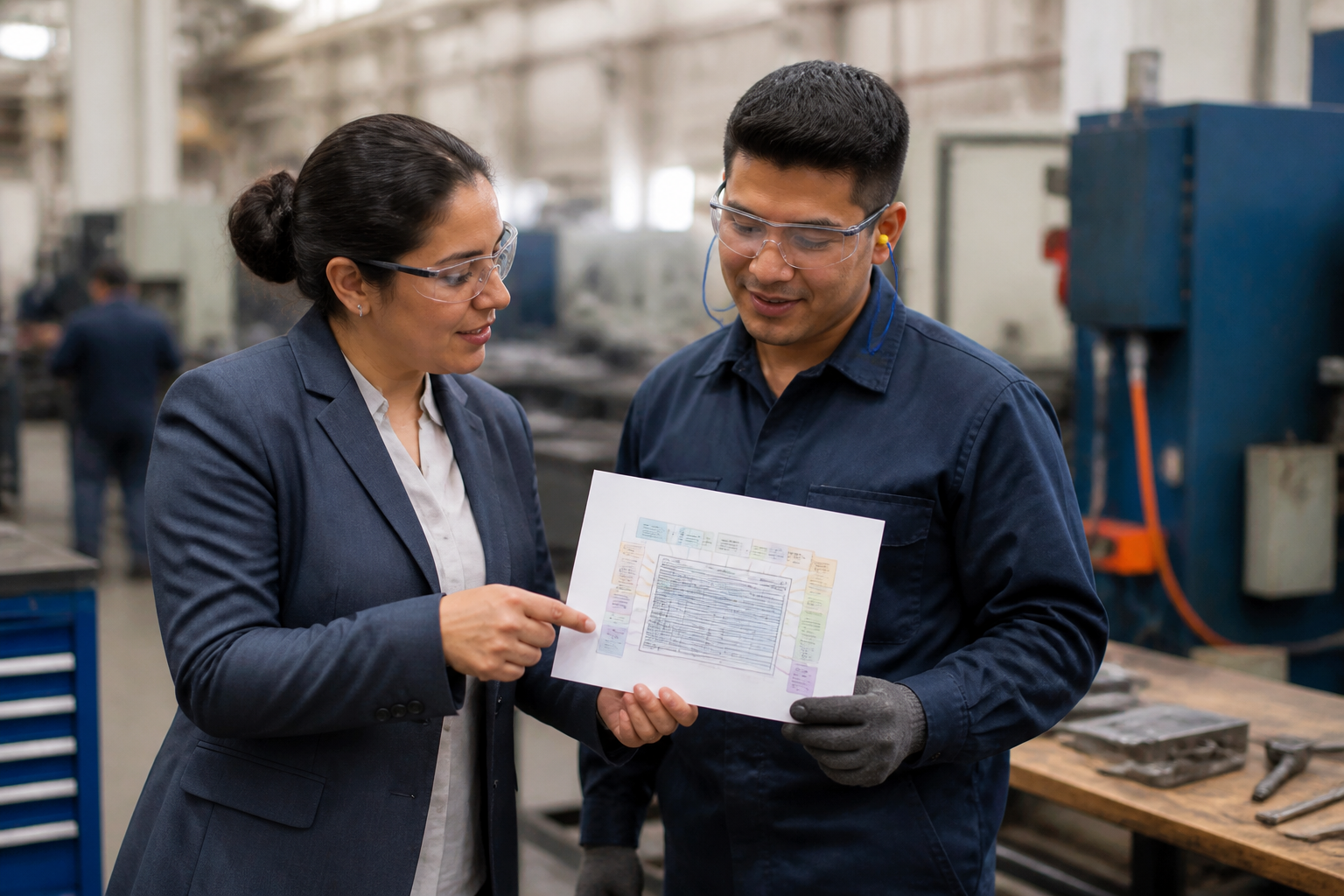
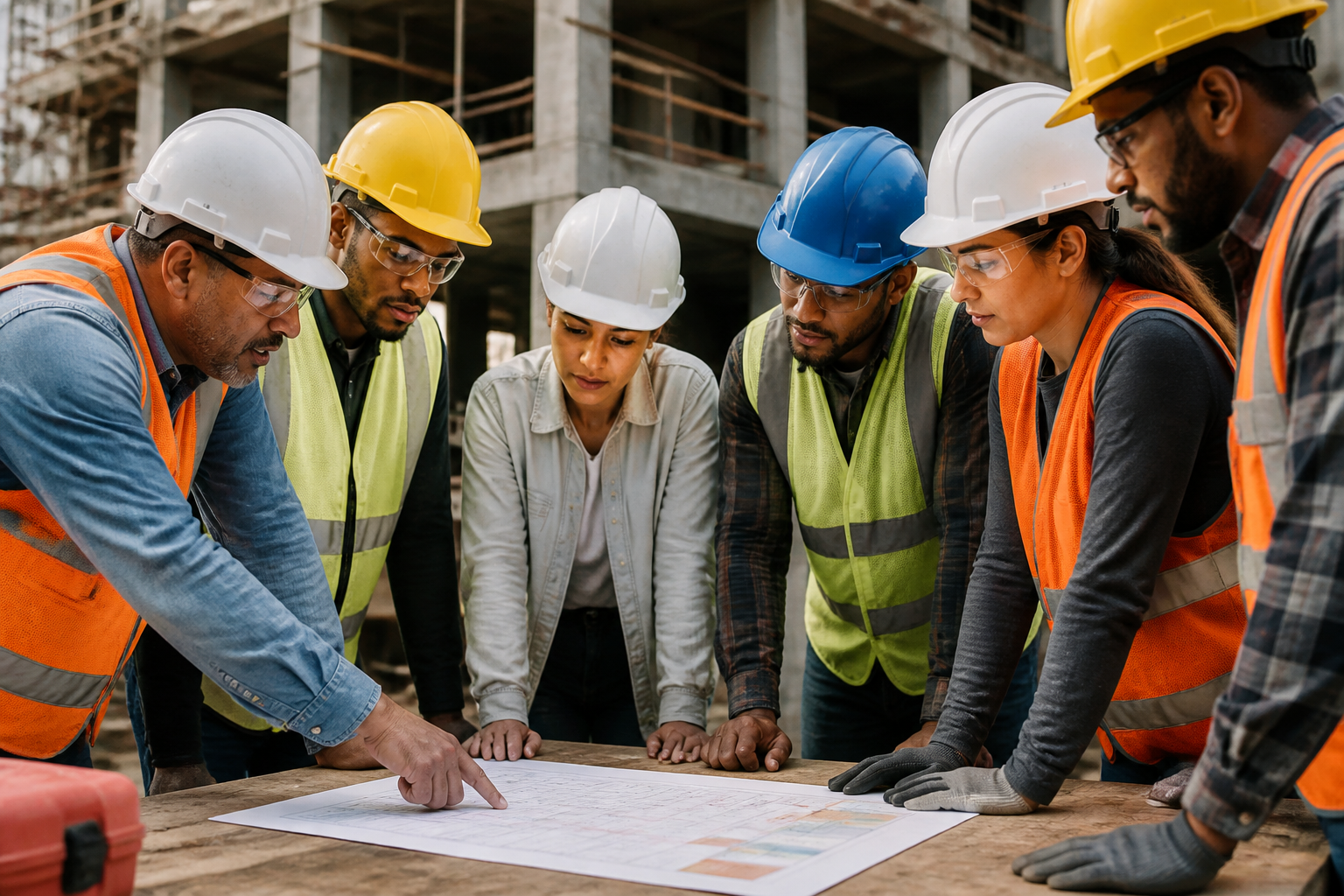
To combat this, manufacturers must adopt communication strategies. Implementing multilingual training, using visual aids like color-coded signage and pictograms, and conducting hands-on safety drills in workers’ native languages can dramatically improve comprehension. Daily safety huddles in plain language, paired with return demonstrations, help confirm understanding beyond mere attendance.
Peer support also plays a crucial role. Empowering bilingual team members to act as language mentors fosters a culture of shared responsibility and inclusion. Regularly auditing communication gaps through incident reviews ensures continuous improvement.
Ultimately, safety isn’t just about rules—it’s about clarity. By investing in language-inclusive practices, manufacturers protect not only productivity and compliance but, more importantly, their most valuable asset: people. When everyone understands the message, everyone stays safer on the job.
Book your FREE Consultation Now via https://cal.com/newheightslanguages!
Visit New Heights Languages, LLC to see how you can increase retention, production, and safety while reducing language barriers for your team.