
How Language Skills Improve Employee Retention
By New Heights Languages ·
How Language Skills Improve Employee Retention
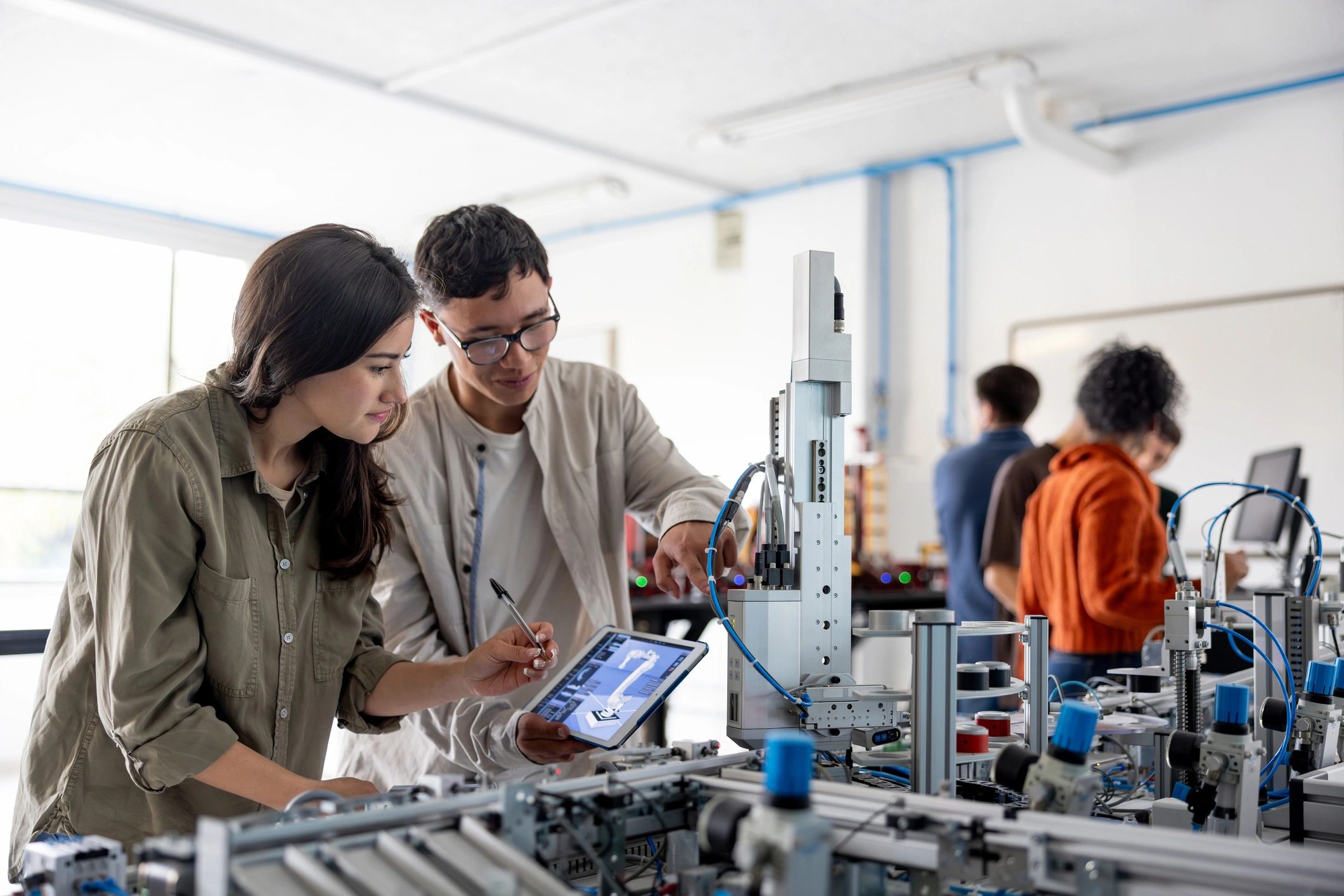
How Language Skills Improve Employee Retention
Employee retention has become one of the biggest challenges facing businesses in manufacturing, logistics, construction, healthcare, and other labor-intensive industries. High turnover can lead to increased hiring costs, lower productivity, and ongoing training expenses. While many companies focus on wages and benefits to improve retention, one often overlooked solution is workplace language training.
Strong communication plays a major role in how employees experience the workplace. When workers struggle to understand instructions, safety procedures, or daily conversations, frustration and disengagement can grow quickly. Employees who feel isolated because of language barriers may become less confident, less connected to their teams, and more likely to leave the company.
Workplace ESL (English as a Second Language) programs help employees build communication skills that improve both job performance and workplace confidence. Employees who better understand supervisors, coworkers, and workplace expectations are more likely to feel successful in their roles. This sense of confidence and inclusion can significantly improve employee satisfaction and long-term retention.
One of the key ways language skills improve retention is by strengthening workplace relationships. Communication barriers can create misunderstandings between employees and supervisors, making it difficult to build trust and teamwork. Language training helps employees participate more comfortably in meetings, ask questions, report concerns, and collaborate with coworkers. When employees feel heard and understood, they are more likely to stay engaged and committed to the organization.
Language training also supports career growth opportunities. Employees who improve their communication skills often become eligible for promotions, leadership opportunities, cross-training, or specialized responsibilities. Workers are more likely to remain with companies where they see opportunities for advancement and professional development.
In manufacturing and industrial environments, communication training also improves workplace safety. Employees who clearly understand safety instructions, equipment procedures, and emergency protocols feel more secure in their work environment. Safer workplaces often lead to higher morale and lower turnover rates.
Another important factor is company culture. Businesses that invest in employee development demonstrate that they value their workforce. Providing workplace ESL classes or communication training shows employees that the organization is committed to helping them succeed, not just filling positions. This creates stronger loyalty and a more positive work environment.
For employers, improved retention leads to major cost savings. Replacing employees requires recruiting, onboarding, and training new workers, all of which impact productivity and operational consistency. Retaining experienced employees helps companies maintain stronger teams and reduce disruption.
As workplaces become increasingly multilingual, communication training is becoming an essential part of employee retention strategies. Companies that prioritize language development create more inclusive, productive, and supportive work environments where employees feel confident contributing and growing long-term.
Investing in language skills is not only an investment in communication—it is an investment in employee loyalty, workplace culture, and business success.
Book your FREE Consultation Now via https://cal.com/newheightslanguages!
Visit New Heights Languages, LLC to see how you can increase retention, production, and safety while reducing language barriers for your team.