The Business Case for Spanish Classes for Supervisors
By New Heights Languages ·
As workplaces across manufacturing, construction, logistics, and industrial industries continue to diversify, communication between supervisors and frontline employees has become more important than ever. In many compani...

As workplaces across manufacturing, construction, logistics, and industrial industries continue to diversify, communication between supervisors and frontline employees has become more important than ever. In many companies, a large portion of the workforce speaks Spanish as a primary language. When supervisors are unable to communicate clearly with their teams, productivity, safety, and employee morale can suffer. That is why more businesses are investing in Spanish classes for supervisors as part of their workforce development strategy.
Providing Spanish language training for supervisors is not just about learning another language—it is about improving leadership, strengthening communication, and creating a more efficient workplace. Supervisors who can communicate directly with Spanish-speaking employees often build stronger trust and better working relationships with their teams.
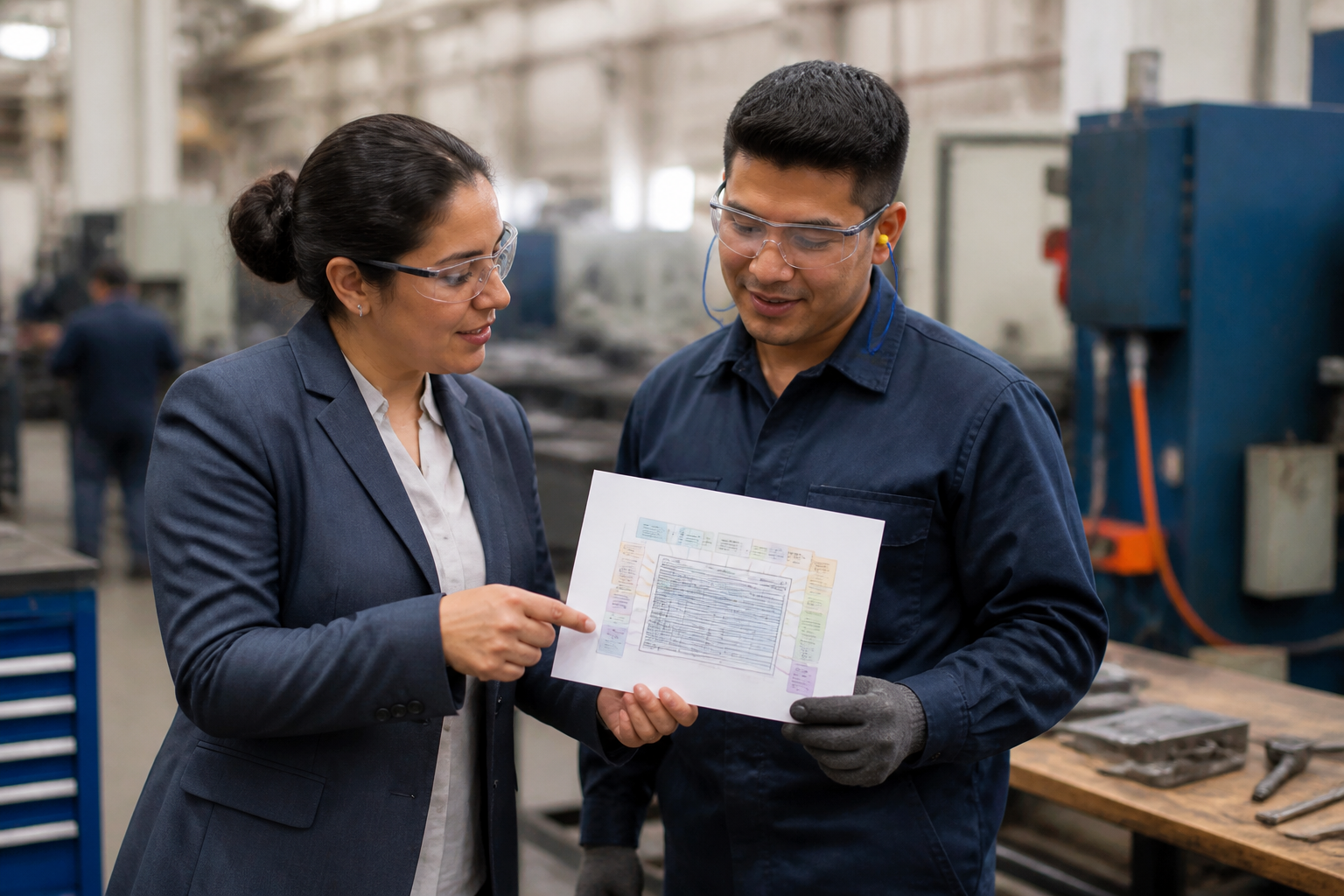
One of the biggest benefits of Spanish classes for supervisors is improved workplace safety. In high-risk environments, employees must clearly understand safety procedures, hazard warnings, equipment instructions, and emergency protocols. Even small misunderstandings can lead to accidents, equipment damage, or costly downtime. Supervisors who can explain safety expectations in Spanish help reduce confusion and create a safer work environment for everyone.
Spanish communication skills also improve daily operations. Supervisors who can give instructions, answer questions, and provide feedback in Spanish often experience smoother workflows and fewer production errors. Employees are more likely to ask for clarification when communication feels accessible, which helps prevent mistakes before they happen.
Another important advantage is employee retention. Workers who feel respected and understood are more likely to stay with a company long-term. When supervisors make the effort to communicate in employees’ native language, it demonstrates inclusion, respect, and commitment to employee success. This can improve morale, increase engagement, and reduce turnover costs.
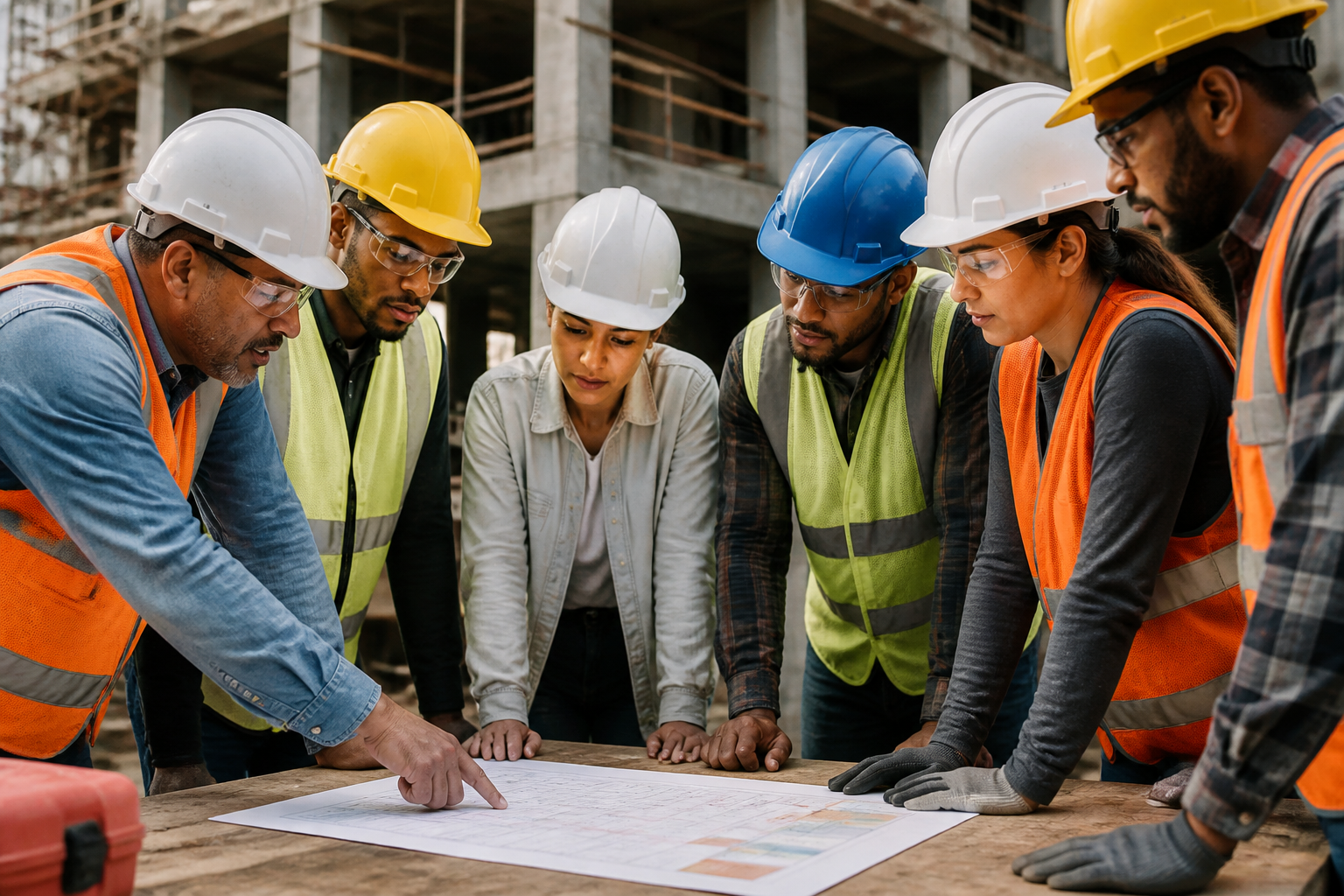
Spanish classes for supervisors can also improve team culture and collaboration. Language barriers sometimes create disconnects between leadership and employees, making it harder to build trust and teamwork. Communication training helps supervisors become more approachable while encouraging stronger participation across teams.
Many companies now recognize that bilingual leadership provides a competitive advantage. Businesses with supervisors who can communicate effectively with multilingual teams often experience higher productivity, faster onboarding, and improved operational efficiency.
Effective workplace Spanish programs focus on practical communication rather than textbook learning. Supervisors learn industry-specific vocabulary, workplace phrases, safety terminology, coaching language, and common production-related conversations they can immediately apply on the job.
As labor markets continue evolving, companies that invest in communication training position themselves for long-term success. Spanish classes for supervisors are not simply a training expense—they are a business investment that supports safer operations, stronger leadership, and better employee performance.
Book your FREE Consultation Now via https://cal.com/newheightslanguages!
Visit New Heights Languages, LLC to see how you can increase retention, production, and safety while reducing language barriers for your team.