When Companies Ignore Language Barriers
By New Heights Languages ·
The Hidden Cost of Miscommunication in Modern Workplaces
The Hidden Cost of Miscommunication in Modern Workplaces
In today’s interconnected industrial environments, language gaps are more than just a logistical challenge—they’re a direct threat to safety, efficiency, and employee morale. In manufacturing hubs like Athens, Georgia, where multilingual teams are the norm, failing to bridge communication divides can result in misinterpreted safety instructions, procedural errors, and increased incident rates. Even minor misunderstandings during critical processes—like reading safety data sheets (SDS) or executing lockout/tagout protocols—can lead to costly downtime or workplace injuries.
What many leaders overlook is that language barriers don’t just affect new hires. They ripple through teams, impacting shift handoffs, quality control, and emergency response times. Workers who cannot fully participate in safety briefings or report concerns in real time are less likely to speak up, creating blind spots in operational risk management. This silence doesn’t mean everything is running smoothly—it often means critical feedback is being lost in translation.
In the following sections, you’ll discover how unresolved language gaps erode performance, the real-world consequences companies face when ignoring them, and most importantly—actionable strategies to build job-aligned language competence across diverse teams. From visual aids on the plant floor to bilingual safety drills, the solutions are practical, scalable, and proven to drive safer, more inclusive workplaces.
When Language Gaps Compromise Safety: The Hidden Risks in Manufacturing
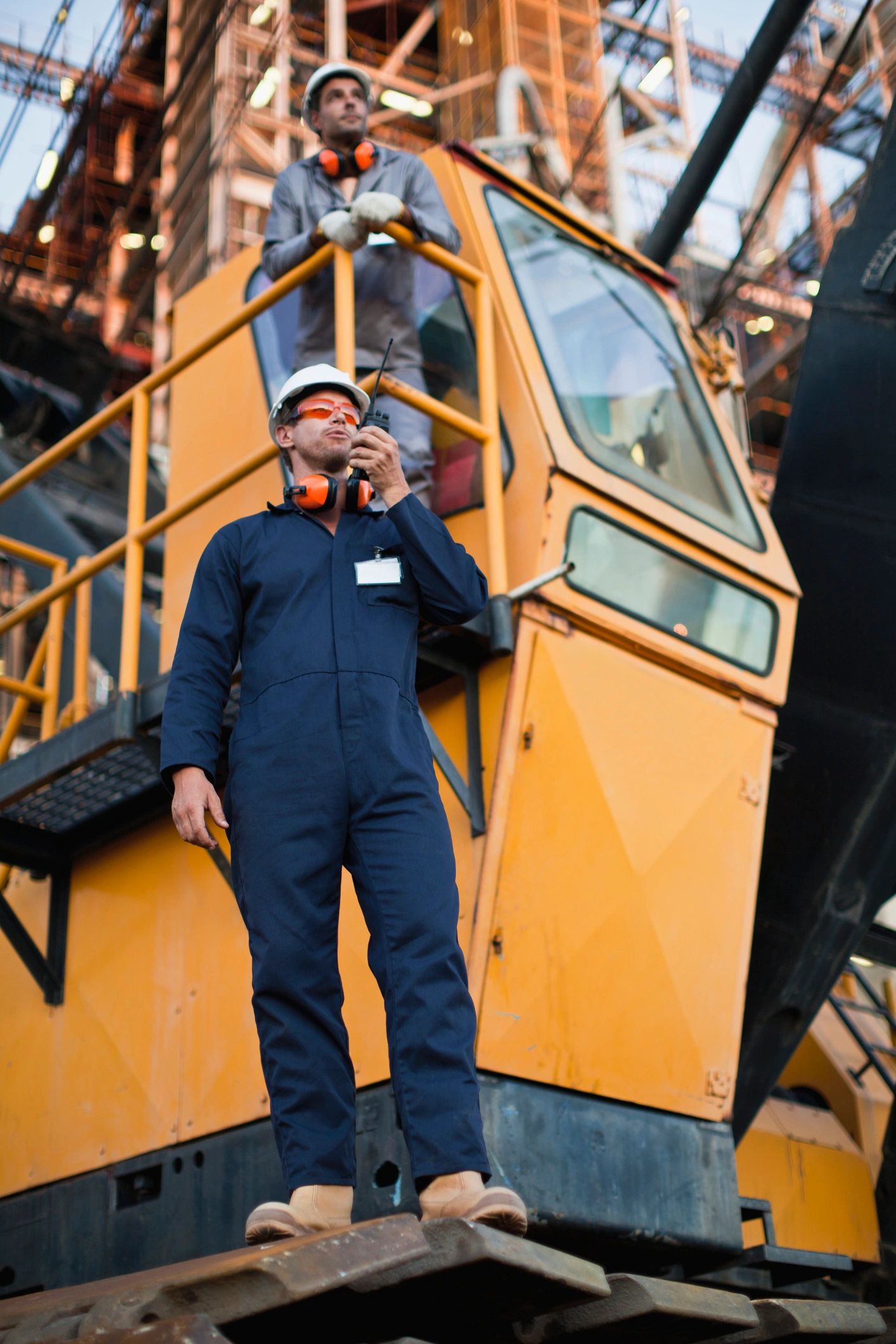
In multilingual manufacturing environments, failing to address language differences isn’t just an operational hiccup—it’s a direct threat to workplace safety. Miscommunication can distort critical information, turning routine procedures into high-risk situations. When teams in industrial hubs like Athens, Georgia, operate with mixed language proficiency, essential safety protocols such as lockout/tagout, PPE compliance, and emergency shutdowns may be misunderstood, increasing the likelihood of accidents.
A worker who misreads a safety data sheet (SDS) or misinterprets verbal instructions during machine maintenance could unknowingly bypass critical safeguards. Even minor translation gaps in standard operating procedures (SOPs) can lead to procedural deviations, equipment damage, or chemical exposure. These risks escalate during shift changes when incomplete handoffs or poorly translated updates create knowledge silos.
To mitigate these dangers:
- Implement bilingual safety signage near high-risk zones
- Conduct routine safety briefings in both primary languages used on-site
- Train supervisors to confirm understanding through verbal or written verification
- Use visual aids and gesture-based instruction to reinforce critical steps
Effective communication isn’t secondary to safety—it is safety. Proactively bridging language gaps ensures every team member, regardless of native tongue, can perform their duties with confidence and clarity, protecting both people and productivity.
How Communication Gaps Undermine Team Morale and Inclusion
When workers can't fully understand or be understood, the impact goes far beyond misread instructions—it strikes at the heart of team morale, engagement, and inclusion. In multilingual manufacturing environments like those in Athens, Georgia, unaddressed language barriers often leave employees feeling isolated, undervalued, and disengaged. Workers may hesitate to speak up during safety huddles, skip asking clarifying questions, or avoid participating in team improvement initiatives, not due to lack of interest, but because of communication limitations. This silence erodes trust and can create invisible divides across shifts.
Leaders who overlook these dynamics risk fostering a culture where only the most linguistically confident voices are heard, leading to unequal opportunities for growth. Employees who struggle with the dominant workplace language are frequently passed over for cross-training or leadership roles, even when they possess strong technical skills. Over time, this widens the gap in engagement and diminishes overall team cohesion.
To counter this, manufacturers must prioritize inclusive communication strategies that level the playing field. Simple steps can make a significant difference:
- Conduct regular check-ins using bilingual prompts to ensure understanding
- Encourage peer mentorship between fluent and emerging language speakers
- Recognize and celebrate multilingual contributions during team meetings
Investing in language proficiency isn’t just about compliance or efficiency—it’s a commitment to building a workplace where every employee feels seen, heard, and empowered to contribute.
How Language Gaps Undermine Efficiency and Workplace Performance
In multilingual manufacturing environments—from Athens, Georgia to industrial centers across the Southeast—unaddressed language barriers quietly erode operational efficiency, employee productivity, and training outcomes. When teams speak different primary languages, even routine tasks can become sources of confusion, delay, and preventable errors. Miscommunication during shift changes, misinterpretation of standard operating procedures (SOPs), or incomplete understanding of safety data sheets (SDS) can lead to rework, machine downtime, or safety incidents.
Training programs often assume a shared language proficiency, but when workers struggle to grasp instructions in real time, onboarding slows and knowledge retention drops. New hires may require repeated demonstrations, supervisors spend more time clarifying tasks, and team cohesion suffers. This inefficiency compounds across shifts, especially in facilities where bilingual coordination is inconsistent.
To combat these challenges:
- Deliver training using visual aids and role-based language practice to reinforce comprehension
- Use bilingual job aids on equipment, safety signage, and checklists
- Structure safety and operational briefings to include verbal confirmation in both languages
By aligning language development with daily workflows, manufacturers empower workers to understand, execute, and communicate critical tasks with confidence—boosting productivity, reducing errors, and ensuring training investments deliver measurable returns across the plant floor.
Hidden Legal Liabilities Behind Misunderstood Safety Protocols
When critical safety instructions or company policies aren’t fully understood due to language gaps, organizations unknowingly expose themselves to serious compliance risks. In manufacturing and industrial settings—especially in multilingual hubs like Athens, Georgia—miscommunication can lead to violations of OSHA regulations, failed audits, and potential litigation. Workers who don’t grasp the full meaning of lockout/tagout procedures, chemical handling protocols, or emergency response plans may follow steps incorrectly, creating hazardous conditions that reflect poorly on the entire operation.
Regulatory bodies expect employers to ensure that all team members comprehend safety standards, not just in theory, but in practice. A posted PPE compliance sign in a single language may satisfy documentation checks, but if employees can’t interpret it during a shift, the company remains liable for any resulting incident. Common pitfalls include:
- Incomplete incident reporting due to language limitations
- Misclassification of hazardous materials on bilingual job sites
- Failure to follow safety data sheets (SDS) accurately during chemical handling
To reduce exposure, companies should implement multilingual training that aligns with actual workflows. Use visual aids, hands-on drills, and simple language to reinforce understanding across proficiency levels. Document training completion in both primary languages spoken on-site and conduct regular comprehension checks during safety huddles. These steps not only strengthen compliance but also demonstrate due diligence in protecting worker safety and meeting regional regulatory expectations.
3 Industries Where Language Gaps Cost More Than You Think
In high-stakes environments, miscommunication isn’t just inconvenient—it’s dangerous. When teams don’t share a functional command of the same language, the risks multiply: safety lapses, regulatory violations, and operational inefficiencies become far more likely. These real-world examples from critical industries illustrate why proactive language alignment isn’t optional—it’s essential.
- Manufacturing: Misinterpreted Safety Protocols Lead to Accidents
On factory floors in industrial hubs like Athens, Georgia, workers from diverse linguistic backgrounds operate heavy machinery, handle hazardous materials, and follow lockout/tagout procedures daily. A misunderstood warning label or hastily translated safety data sheet (SDS) can result in incorrect PPE use or accidental equipment activation. For example, confusing “release” with “reset” on a control panel instruction could trigger an unsafe restart. Clear, standardized bilingual training on standard operating procedures (SOPs) ensures all team members interpret warnings and protocols the same way—protecting both people and production.
- Healthcare: Patient Safety Hangs on Precise Communication
In clinics and hospitals across the Southeast, medical professionals routinely interact with patients who speak limited English. A misplaced word during intake—like mixing up “daily” and “weekly” for medication frequency—can lead to dangerous dosing errors. Similarly, bilingual nurses are crucial during emergency triage, where explaining symptoms or allergies quickly can mean the difference between life and death. Language-ready staff reduce misdiagnoses and improve patient trust, especially in community health settings serving Spanish-speaking populations.
- Construction: Safety Briefings Lost in Translation
On multi-crew job sites, safety huddles often occur in English, but not all workers comprehend every directive. A subcontractor misunderstanding fall protection guidelines or misreading a permit for confined space entry increases the risk of serious incidents. Bilingual foremen or visual safety aids in both English and Spanish reinforce key messages, ensuring everyone—from apprentices to project managers—follows the same high standards, no matter their native tongue.
Building a Resilient Future Starts with Language
Ignoring language barriers in today’s manufacturing landscape—especially in diverse industrial centers like Athens, Georgia—puts safety, efficiency, and workforce morale at risk. As production environments grow more complex and multilingual, a reactive approach to communication simply doesn’t cut it. A proactive language strategy ensures all team members can fully engage with standard operating procedures (SOPs), confidently execute lockout/tagout steps, and comply with PPE requirements in real time.
The bottom line? Clear communication prevents costly errors and safety incidents while boosting team cohesion. Workers who develop functional bilingual skills—particularly in English and Spanish—contribute to smoother shift handoffs, faster onboarding, and stronger collaboration across multilingual crews. This isn’t just about understanding words; it’s about building workplace fluency that directly enhances performance and career growth.
To move forward:
- Audit current communication gaps on your production floor
- Prioritize training that focuses on high-impact, job-specific language
- Integrate bilingual visual aids and reinforce learning through daily routines
Organizations that embrace language as a strategic asset position themselves not only for immediate operational gains but also for long-term resilience. By investing in inclusive communication now, you’re equipping your workforce to meet the evolving demands of modern manufacturing—today and into the future.
Book a free consultation with us today! https://cal.com/newheightslanguages