Why Communication Is Key to Retention in Manufacturing
By New Heights Languages ·
The Silent Challenge Killing Morale on the Manufacturing Floor
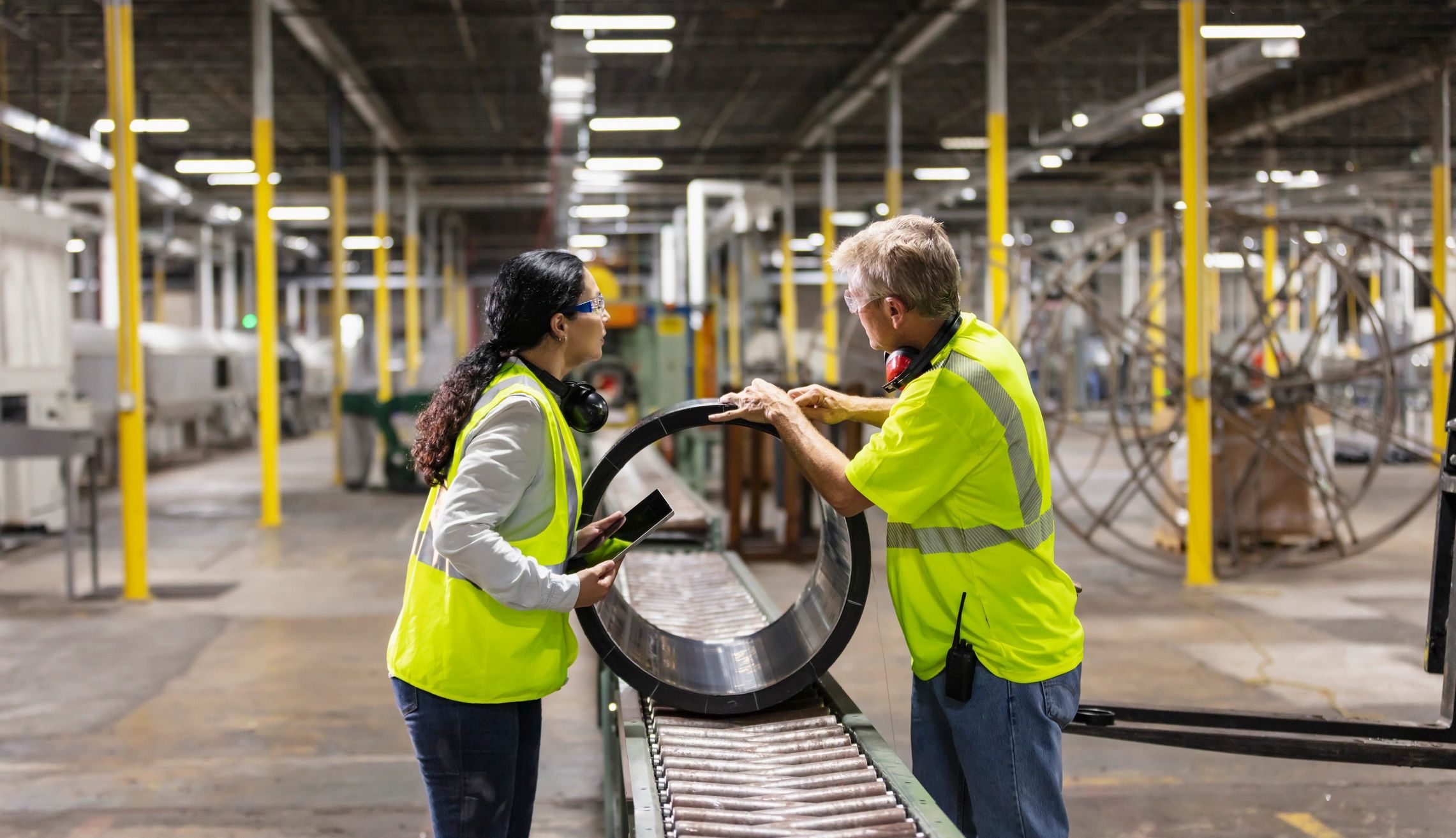
The Silent Challenge Killing Morale on the Manufacturing Floor
In manufacturing hubs like Athens, GA, diverse teams keep production lines moving—but language barriers often disrupt communication. When safety instructions, shift handoffs, or equipment protocols aren’t fully understood, the impact goes beyond inefficiency: it drives disengagement, errors, and turnover. Miscommunication erodes trust, job satisfaction, and production quality, while raising retraining costs.
The solution is clear: invest in targeted language development. By building consistent communication pathways, manufacturers can boost safety, retention, and team cohesion—creating workplaces where every employee feels equipped to succeed."
5 Reasons Stronger Communication Boosts Retention on the Manufacturing Floor
- Eliminates Costly Misunderstandings in Real Time
When team members clearly understand instructions, expectations, and procedural changes, errors decrease significantly. Miscommunication around machine settings, quality specs, or material handling often leads to rework, scrap, or downtime—frustrating for everyone involved. By standardizing communication across shifts and roles, especially in fast-paced facilities across Athens, GA, and similar industrial areas, manufacturers reduce confusion. Employees feel more confident when they know exactly what’s expected, leading to fewer corrections and greater job satisfaction. Clear, consistent messaging also reinforces accountability, helping workers take ownership of their tasks and contributions.
- Builds Trust Between Leadership and Frontline Teams
Transparent communication from supervisors and managers fosters psychological safety. When employees receive regular updates on performance goals, safety metrics, and operational changes, they feel more connected to the company’s mission. Two-way communication—where workers can voice concerns or suggestions without fear—encourages mutual respect. In manufacturing environments where hierarchy can create distance, intentional openness helps bridge gaps, increasing loyalty and reducing the likelihood of disengagement.
- Supports Faster Onboarding and Integration
New hires who receive clear, structured communication during onboarding become productive more quickly. When training includes role-specific language, visual aids, and consistent terminology, ramp-up time shortens across production lines. This efficiency reduces stress for both new workers and their teams, improving early engagement. Facilities that prioritize communication clarity in orientation programs see higher 90-day retention rates, particularly in multilingual workplaces where language differences can slow integration.
- Empowers Employees to Speak Up About Safety
Safety is only as strong as the weakest communication link. Workers who understand hazard warnings, emergency procedures, and PPE requirements are more likely to comply and intervene when risks arise. When communication is clear and inclusive, employees feel empowered—not afraid—to report near misses or unsafe conditions. This active participation in safety culture reduces incidents and reinforces a sense of collective responsibility, making teams more cohesive and committed.
- Creates Pathways for Career Growth and Recognition
Employees stay longer when they see opportunities to advance. Clear communication about performance expectations, skill development, and promotion criteria helps workers understand how to grow within the organization. When supervisors provide regular, constructive feedback in an accessible way, employees feel seen and valued. This recognition, especially in regions with high manufacturing demand like Georgia, directly influences retention by showing that long-term investment in people is a core priority.
How Clear Communication Fosters Inclusion and Loyalty on the Manufacturing Floor
In multilingual manufacturing environments—especially in industrial hubs like Athens, GA—clear communication isn’t just about efficiency; it’s the foundation of inclusion, morale, and long-term retention. When frontline workers fully understand instructions, safety protocols, and team feedback, they’re more likely to feel valued and engaged. Ambiguity or language gaps isolate employees, increase error rates, and fuel frustration, especially during fast-paced shift transitions or machine changeovers.
Effective communication reduces confusion by ensuring everyone uses consistent terminology for standard operating procedures, quality checks, and equipment troubleshooting. This clarity builds confidence, allowing workers to ask questions, report issues, and participate in team huddles without hesitation. Inclusive communication also supports psychological safety, where employees from diverse linguistic backgrounds feel heard and respected.
To strengthen team cohesion:
- Use visual job aids paired with verbal instructions to reinforce understanding
- Simplify technical jargon into role-specific language that’s easy to grasp
- Encourage peer mentoring and bilingual leadership roles to bridge communication gaps
Manufacturers that prioritize accessible, two-way communication see fewer miscommunications, stronger cross-shift collaboration, and improved incident response. When employees feel confident in their ability to speak up, understand expectations, and contribute ideas, loyalty follows. This sense of belonging isn’t accidental—it’s built through intentional, clear, and respectful communication every shift, every day.
Sustaining Manufacturing Excellence Through Stronger Communication
A stable, engaged workforce doesn’t happen by accident—it’s built on consistent, clear communication. In manufacturing environments like those in Athens, GA, where operational precision and safety are paramount, effective communication directly influences employee retention and long-term productivity. When teams understand expectations, safety protocols, and production goals without ambiguity, confusion decreases and confidence increases. Workers feel more connected to their roles and more valued within their teams, reducing turnover and absenteeism.
To strengthen workforce stability, focus on practical communication strategies within daily operations. Begin by standardizing terminology across shifts, especially for high-risk procedures like lockout/tagout or quality audits. Use visual aids alongside verbal instructions to reinforce understanding, particularly in multilingual settings. Encourage open dialogue during safety huddles and team meetings, ensuring all voices are heard and respected.
Next, integrate role-specific language development into ongoing training. This empowers employees to understand maintenance logs, SOPs, and supervisor feedback with clarity. When workers can communicate effectively about equipment issues or process improvements, collaboration improves and downtime drops.
Start today by assessing your current communication pain points—during shift changes, training sessions, or incident reporting—and implement targeted improvements. A culture of clear, inclusive communication isn’t just beneficial—it’s foundational to operational resilience and long-term success in modern manufacturing.
Book your FREE Consultation Now via https://cal.com/newheightslanguages!
Visit New Heights Languages, LLC to see how you can increase retention, production, and safety while reducing language barriers for your team.