Why Learning Spanish Builds Stronger Teams
By New Heights Languages ·
The Power of a Shared Language in Modern Workplaces

The Power of a Shared Language in Modern Workplaces
In today’s diverse work environments, workplace communication is no longer optional—it’s essential for safety, productivity, and retention. With Spanish being one of the most widely spoken languages across the U.S., especially in manufacturing and logistics hubs, companies that invest in bilingual communication gain a measurable advantage.
Unaddressed language barriers in the workplace often lead to misunderstandings during safety briefings, inconsistent task execution, and limited collaboration between teams. Over time, these gaps affect not only efficiency but also employee morale and engagement.
Why Language Barriers Impact Safety and Productivity
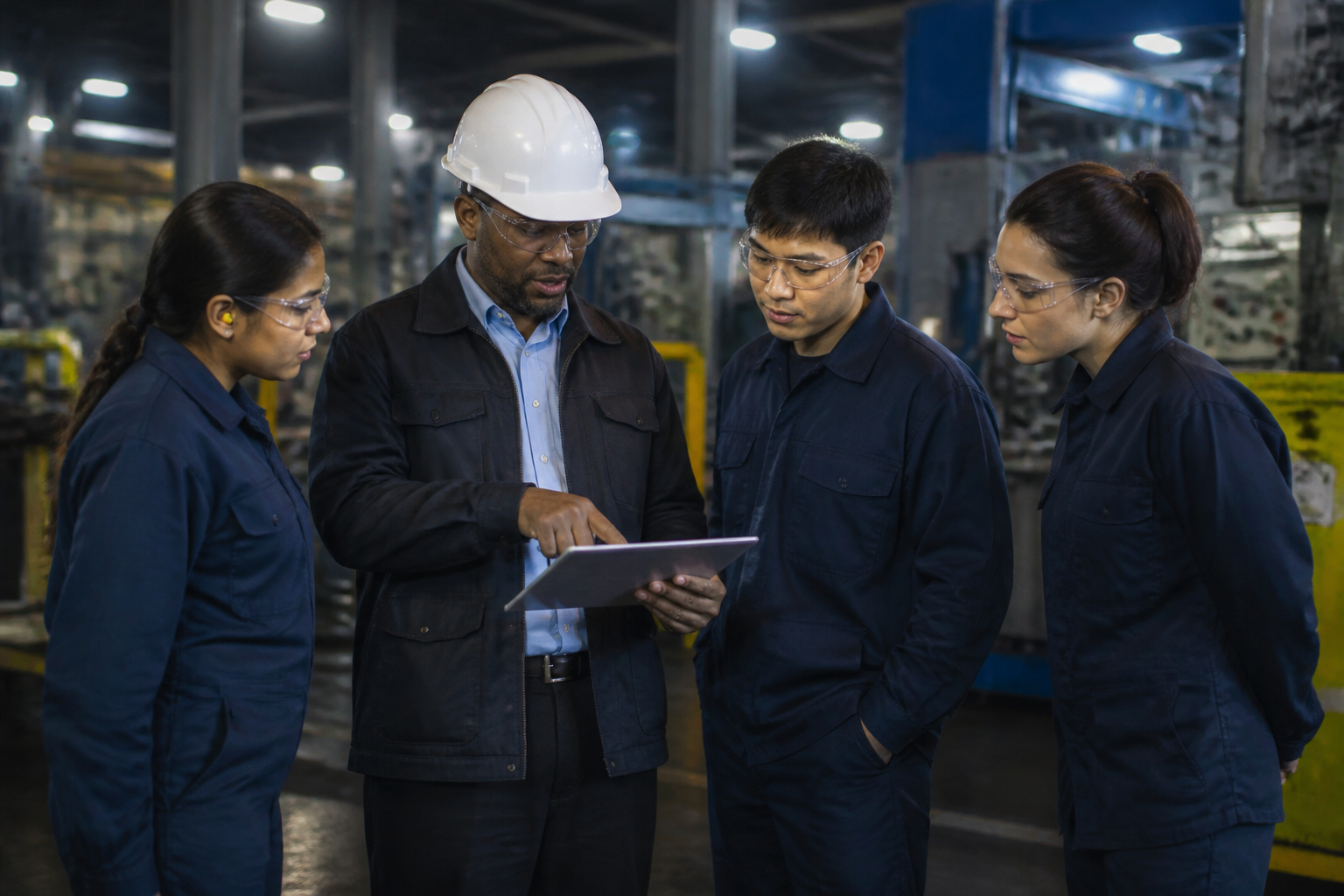
In industries like manufacturing, logistics, and production, clear communication is critical. Misunderstood instructions can lead to errors, delays, or even safety incidents. When employees don’t fully understand safety protocols, equipment usage, or shift expectations, the risk of costly mistakes increases.
Implementing workplace language training—especially Spanish for English-speaking teams—creates a shared communication baseline. This allows employees to communicate clearly in high-frequency situations, reducing confusion and improving workflow efficiency.
How Shared Language Improves Team Collaboration
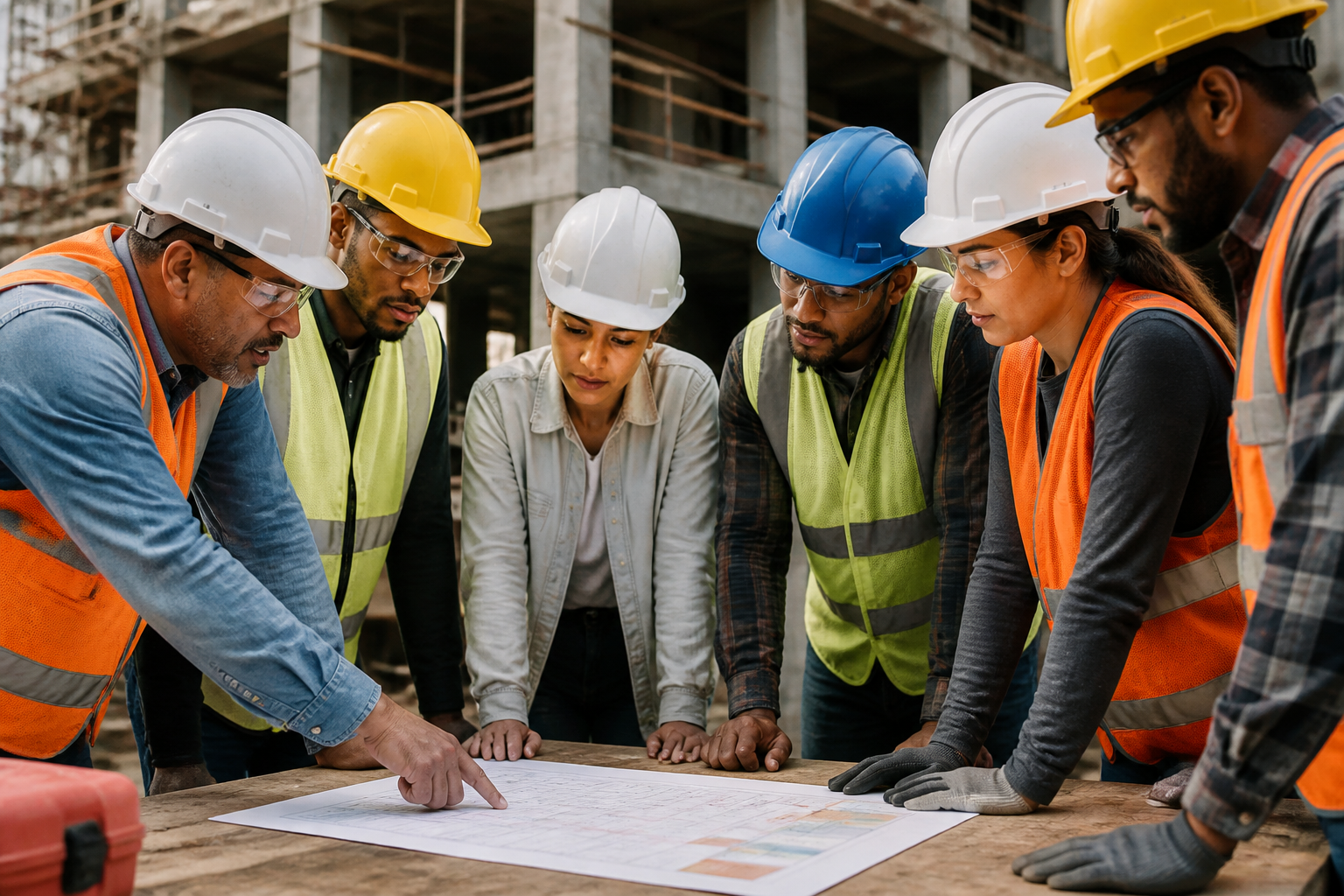
When teams develop shared language skills, communication becomes faster, clearer, and more effective. Employees gain the confidence to ask questions, report issues, and collaborate across departments without hesitation.
Here are practical ways to improve team communication in the workplace:
Provide job-specific language training focused on daily tasks and safety
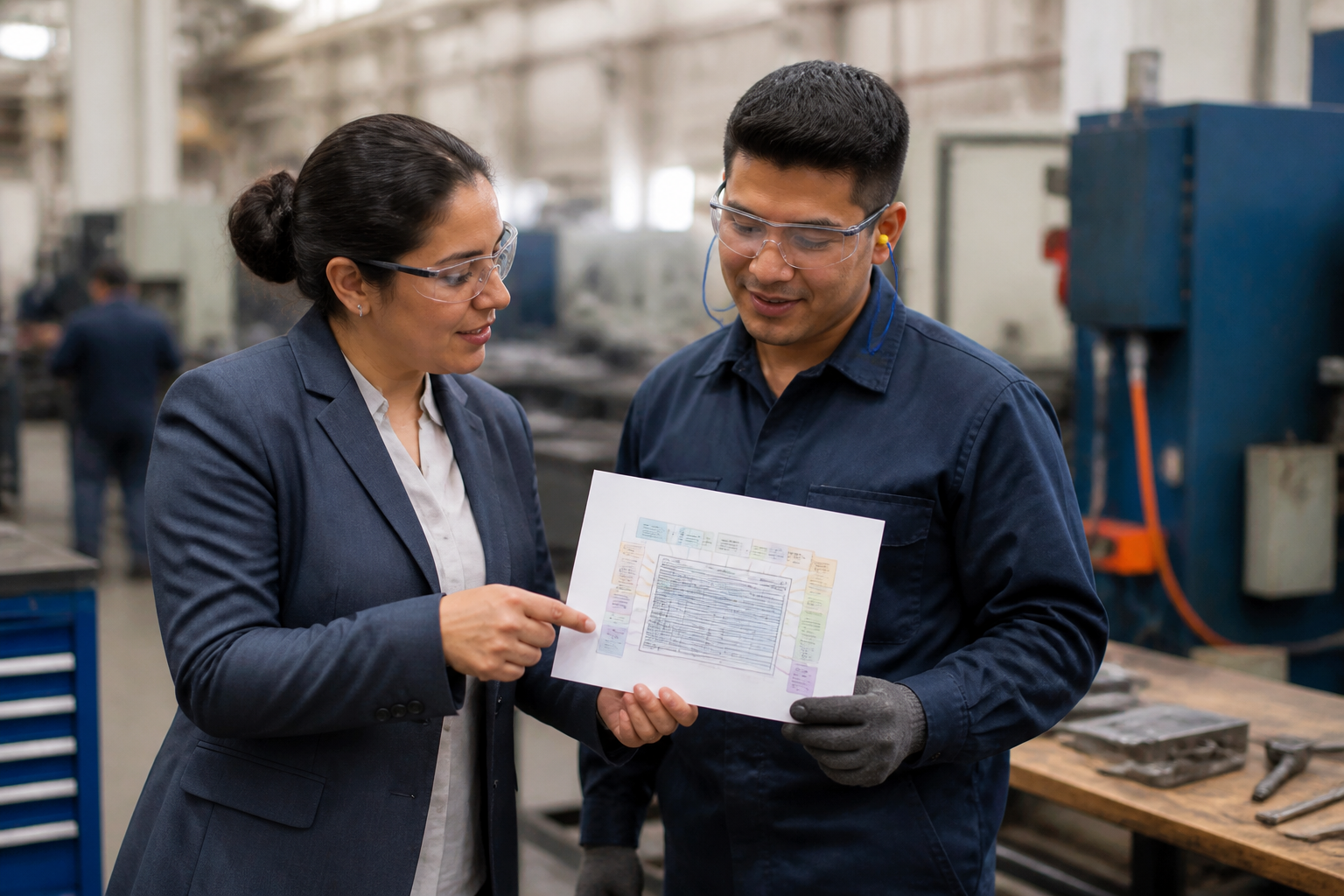
Use bilingual signage and visual aids for equipment and processes
Encourage peer-to-peer learning during team huddles
Create inclusive communication practices where all employees can participate
These strategies help break down communication silos and create a more connected workforce.
The Business Benefits of Bilingual Workforces
Investing in language training for employees delivers tangible results across operations:
Improved workplace safety through clearer hazard communication
Increased productivity with fewer misunderstandings and delays
Stronger employee retention due to higher engagement and inclusion
Faster onboarding for multilingual new hires
Better team collaboration across roles and departments
For businesses in manufacturing and industrial sectors, these improvements directly impact the bottom line.
Turning Language Training into a Competitive Advantage
Forward-thinking companies recognize that overcoming language barriers in the workplace is not just a communication fix—it’s a strategic advantage. When employees understand instructions clearly and feel confident contributing, they perform better and stay longer.
To get started:
Assess your team’s current language proficiency
Integrate bilingual training programs into onboarding
Reinforce learning through real-world application on the job
Final Thoughts
A shared language creates more than clarity—it builds trust, inclusion, and operational excellence. Companies that invest in workplace communication strategies position themselves for safer operations, stronger teams, and long-term growth.
Book your FREE Consultation Now via https://cal.com/newheightslanguages!
Visit New Heights Languages, LLC to see how you can increase retention, production, and safety while reducing language barriers for your team.