Workforce Development Trends in Georgia Manufacturing
By New Heights Languages ·
Georgia’s Manufacturing Workforce is Evolving—Here’s What You Need to Know
Georgia’s Manufacturing Workforce is Evolving—Here’s What You Need to Know
Georgia’s manufacturing sector is undergoing a significant transformation, driven by rapid technological adoption, automation integration, and an increasingly diverse workforce. With facilities across Athens, Georgia, and beyond expanding operations, the demand for skilled, adaptable labor has never been higher. Today, manufacturers are not just competing on production capacity—they’re competing on workforce readiness.
One of the most pressing challenges? Bridging communication gaps across multilingual teams. As hiring pools diversify, ensuring clear understanding around safety procedures, equipment use, and quality control is critical. Companies that invest in targeted workforce development programs—particularly in vocational language training and digital literacy—are seeing measurable gains in productivity and reduced onboarding time.
Another key trend is the shift toward continuous upskilling. Instead of one-time training sessions, leading manufacturers are adopting microlearning models that deliver short, focused lessons during shifts. These modular programs improve retention and allow employees to apply new skills immediately on the shop floor.
5 Key Trends Reshaping Georgia’s Manufacturing Workforce
- Adoption of Smart Manufacturing Technologies
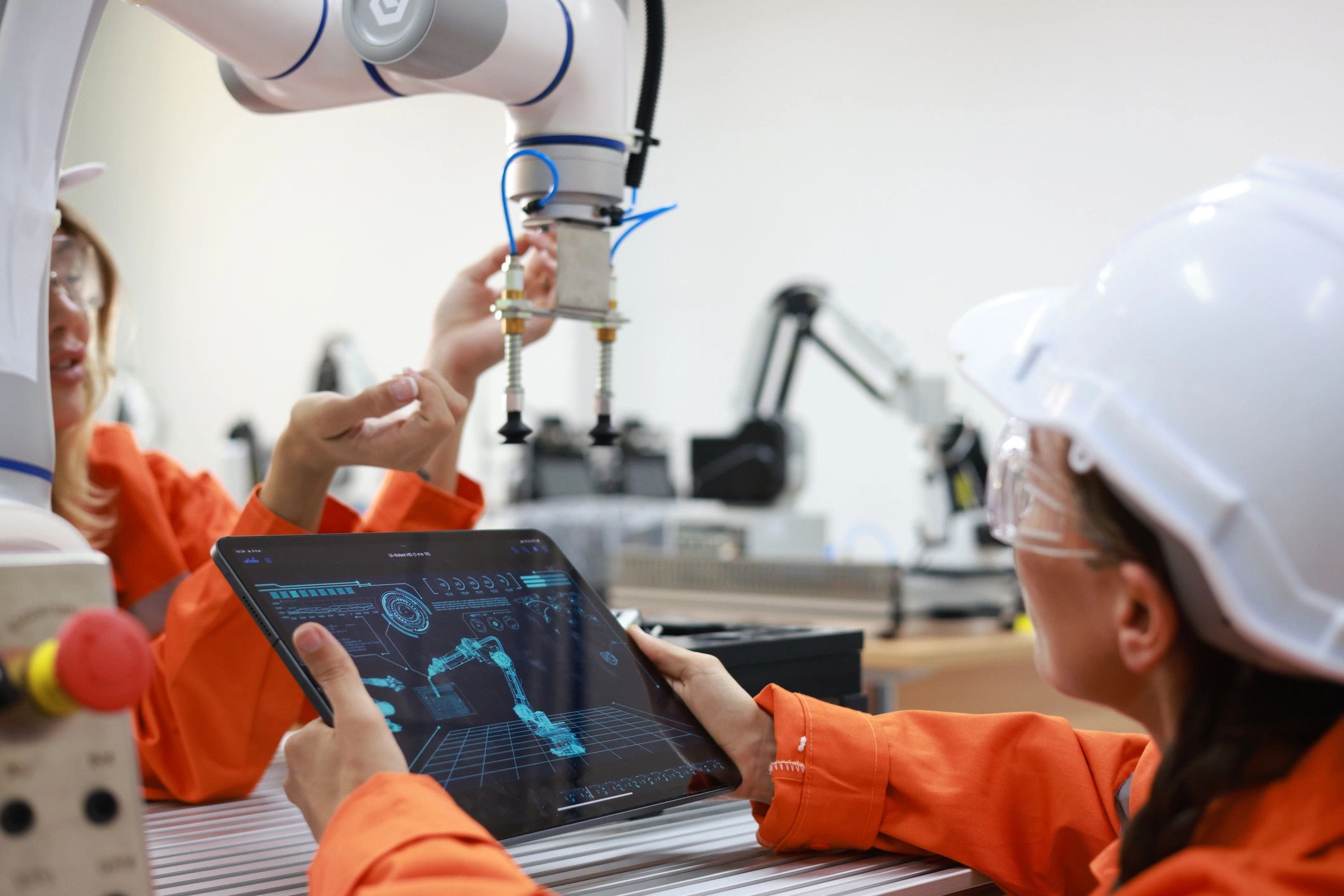
Automation and AI-driven analytics are now operational tools on today’s shop floor. Georgia facilities are integrating these systems to improve precision, reduce downtime, and enhance predictive maintenance.
- Expansion of In-House Upskilling Programs
With skilled labor in high demand, companies are investing in internal training to bridge capability gaps. Customized programs in robotics maintenance empower current employees to step into advanced roles.
- Partnerships with Technical Colleges and Trade Schools
Collaborations provide a steady pipeline of job-ready talent. Apprenticeship models and internship pathways allow students to gain hands-on experience while employers shape curriculum to meet real-world needs.
- Focus on Bilingual and Cultural Competency Training
As Georgia’s manufacturing workforce grows more diverse, communication clarity is critical. Programs that build English proficiency with industry-specific vocabulary help ensure safety compliance.
- Use of Microlearning for Ongoing Development
Short, focused training modules delivered during shift changes or via mobile apps enable continuous learning without disrupting production.
What’s Next for Georgia’s Manufacturing Workforce?
Georgia’s manufacturing sector continues to evolve, driven by innovation and an increasing demand for skilled labor. The focus on effective workforce development has never been more critical. Key challenges like language barriers and inconsistent training remain—but addressing them is now a strategic priority for maintaining safety and boosting retention.
The future belongs to manufacturers who invest in practical, on-the-job learning solutions. Structured language training, microlearning modules, and visual communication tools are becoming foundational components of a resilient workforce. By prioritizing inclusive communication and continuous skill development, manufacturers position themselves for long-term success.
Book your FREE Consultation Now via https://cal.com/NewHeightsLanguages!
Visit New Heights Languages, LLC to see how you can increase retention, production, and safety while reducing language barriers for your team.