Communication in Workplace Safety
By New Heights Languages ·
Why Clear Communication Could Save Your Workplace
Why Clear Communication Could Save Your Workplace
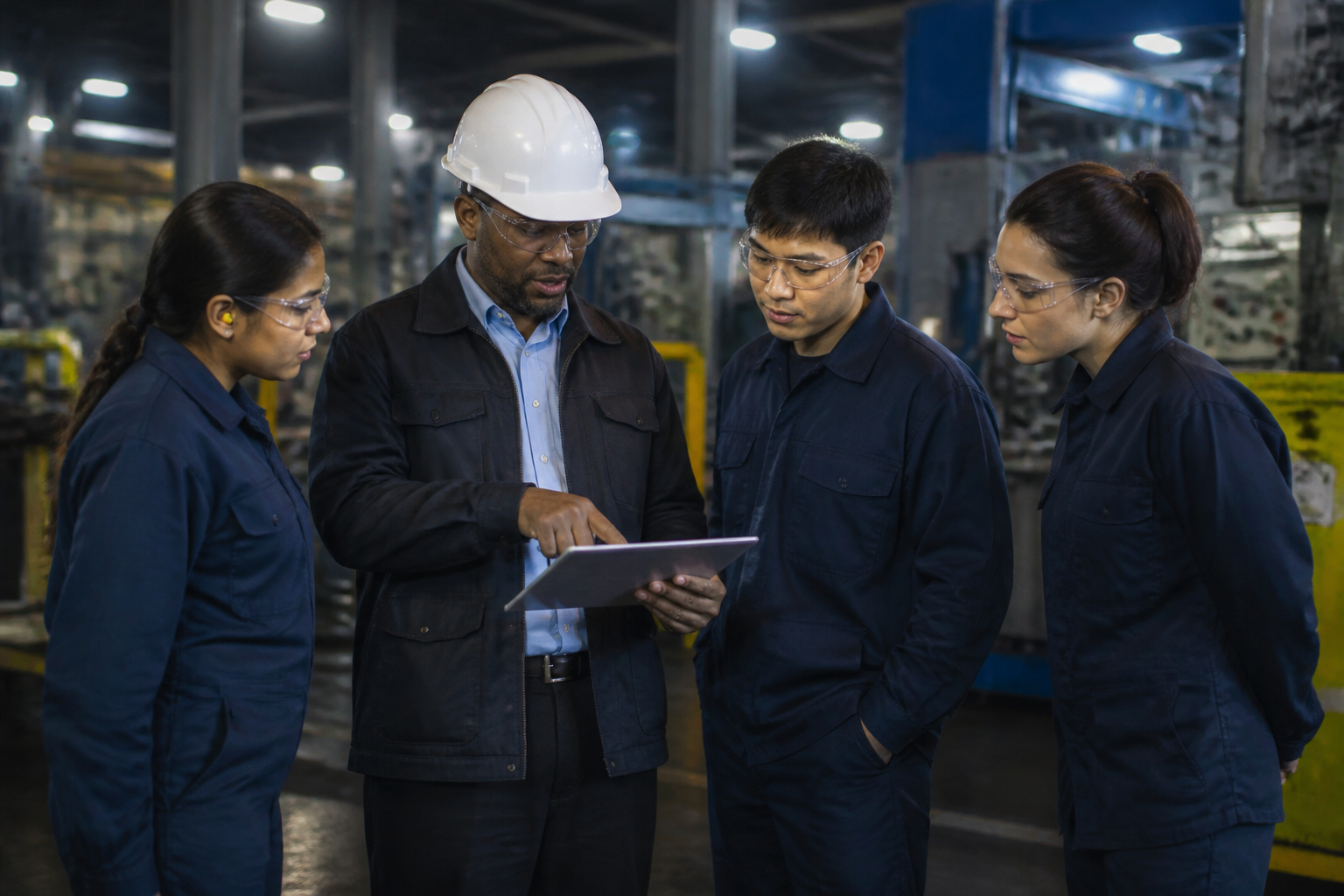
Every year, preventable workplace incidents occur—not because of faulty equipment or lack of training, but due to misunderstood instructions, unclear handoffs, or language gaps among team members. In high-stakes environments like manufacturing plants, warehouses, and industrial facilities across Athens, Georgia and nationwide, the cost of miscommunication isn’t just measured in downtime—it can mean injuries, or even fatalities. Effective communication in workplace safety isn’t a secondary concern; it’s the backbone of a compliant and efficient operation.
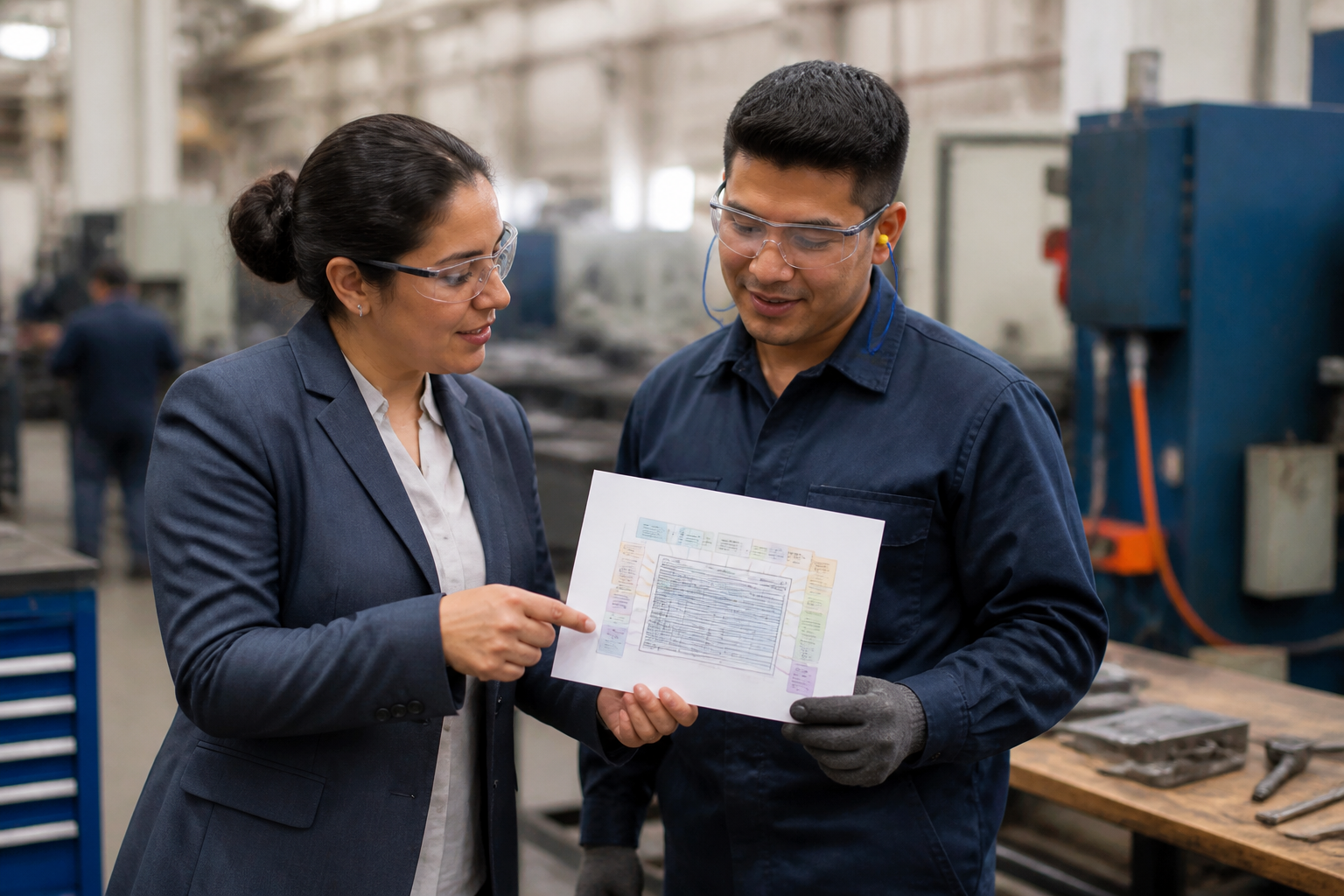
Training plays a vital role in improving workplace communication and safety. Providing employees with English as a Second Language (ESL) training helps them better understand safety protocols, follow procedures properly, and participate more actively in team discussions. Similarly, offering Spanish language training for supervisors enables them to connect more effectively with their teams, building trust and reducing misunderstandings.
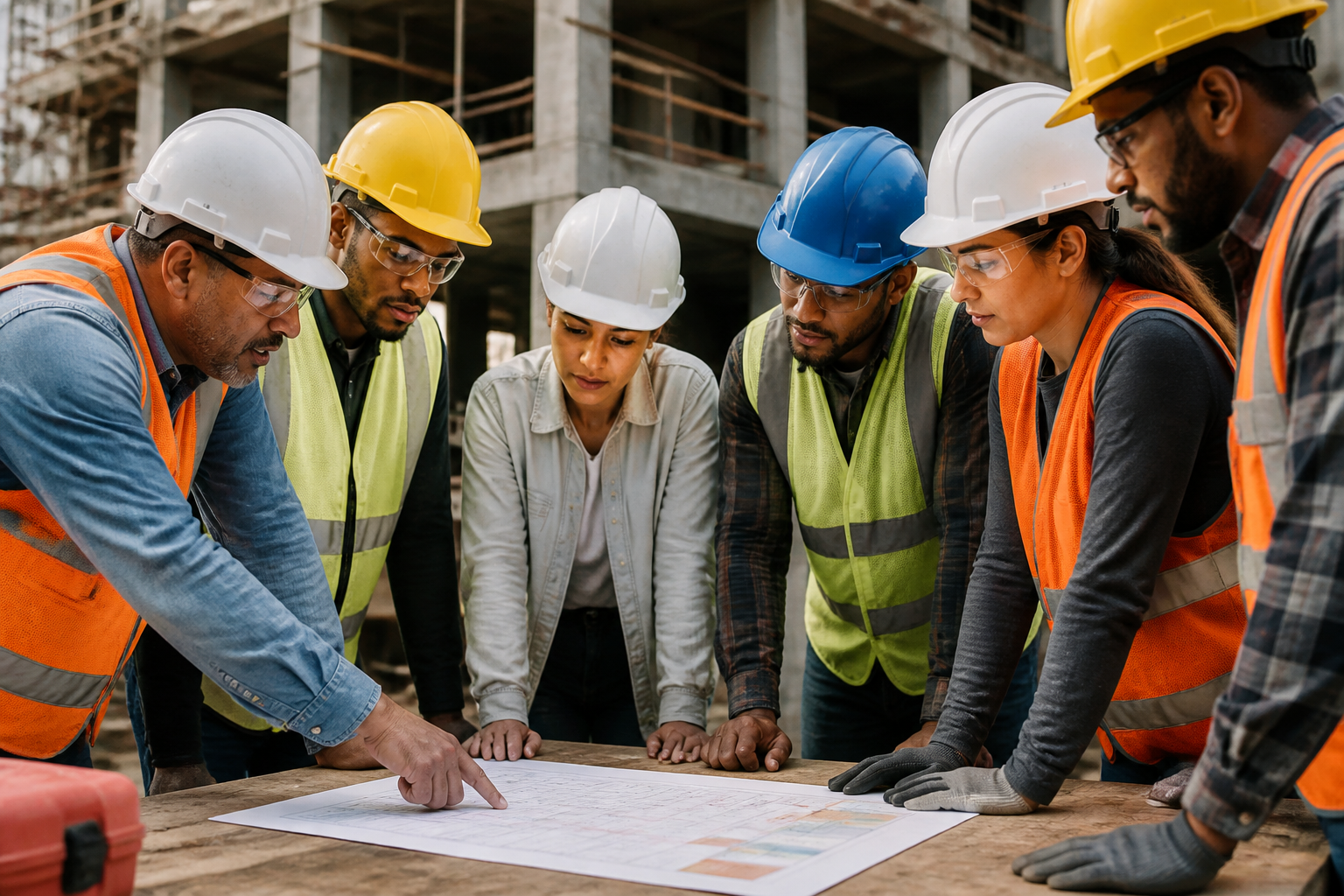
Effective communication is one of the most critical factors in maintaining a safe workplace—especially in high-risk environments like manufacturing, construction, and industrial operations. When employees understand instructions, safety procedures, and warnings, the likelihood of accidents decreases significantly. However, when communication breaks down—often due to language barriers—the risks increase.
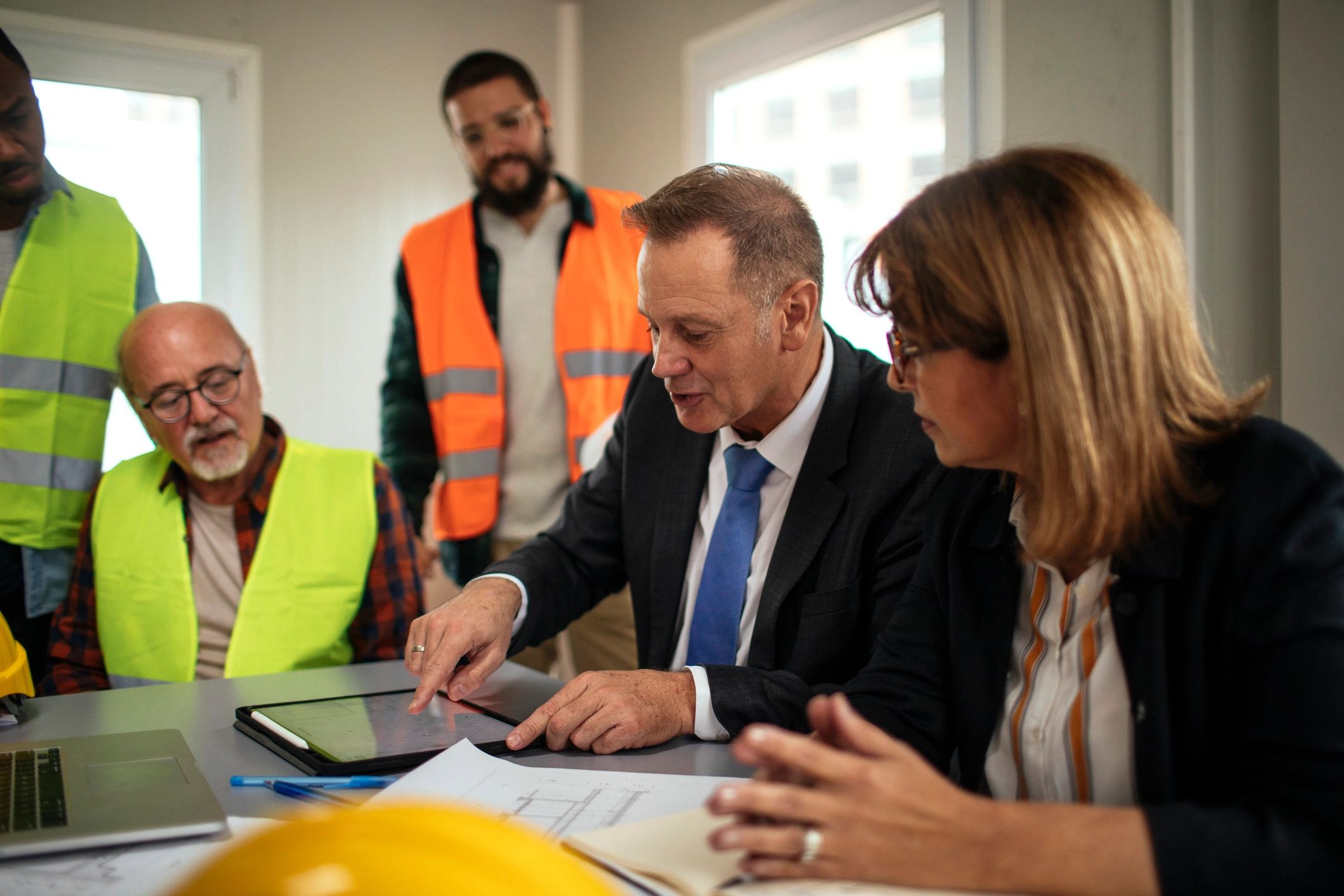
In many workplaces today, teams are more diverse than ever. While this diversity brings valuable perspectives and skills, it can also create communication challenges if employees are not operating in a shared language with confidence. Misunderstandings in safety instructions, or emergency procedures can lead to serious consequences, including injuries, production delays, and costly errors.
One of the most common safety issues tied to communication is unclear instructions. If a supervisor gives directions that are not fully understood, workers may rely on assumptions instead of accurate information. In environments involving heavy hazardous materials, even small misunderstandings can result in major incidents. Clear, direct, and accessible communication ensures that every employee knows exactly what is expected of them.
Another key factor is the ability of employees to speak up. Workplace safety depends not only on understanding instructions but also on asking questions, reporting hazards, and alerting others to potential risks. When workers lack confidence in their language skills, they may hesitate to communicate concerns. This silence can prevent small issues from being addressed before they escalate into serious problems.
Beyond reducing accidents, strong communication also improves overall workplace culture. Employees who feel understood and supported are more engaged, more productive, and more likely to follow safety guidelines consistently. Clear communication fosters teamwork, accountability, and confidence—all of which contribute to a safer environment.
Companies that invest in language training are not just improving communication—they are making a proactive decision to protect their workforce. By addressing language barriers, businesses can reduce risk, improve efficiency, and create a culture where safety is a shared responsibility.
Book your FREE Consultation Now via https://cal.com/newheightslanguages!
Visit New Heights Languages, LLC to see how you can increase retention, production, and safety while reducing language barriers for your team.