ESL Training for Industrial Operators
By New Heights Languages ·
Essential ESL Training for Industrial Operators

Essential ESL Training for Industrial Operators
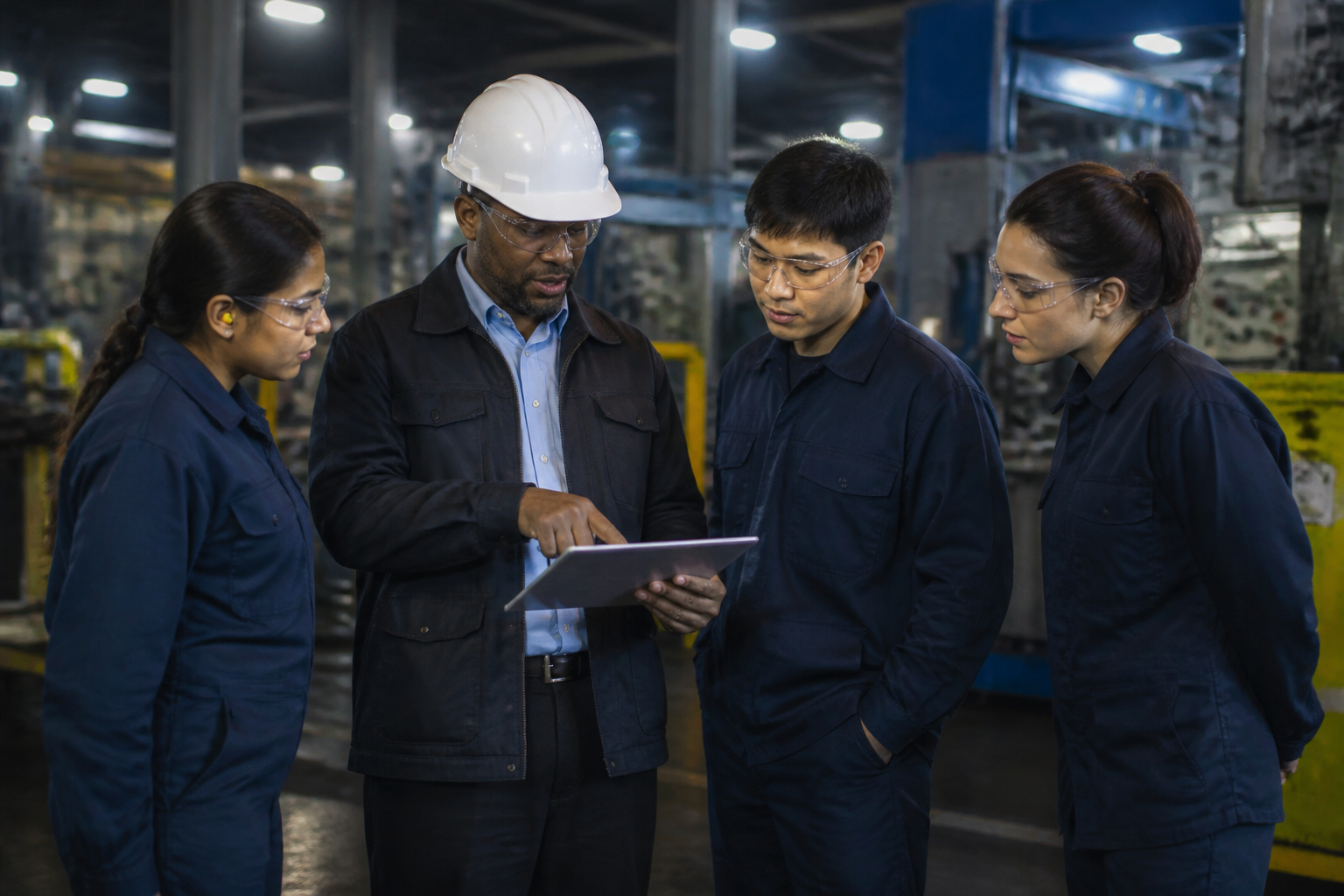
Clear communication is one of the most important components of a safe and productive manufacturing environment. For conveyor operators, crane operators, forklift drivers, and machine operators, understanding instructions quickly and accurately can prevent accidents, reduce downtime, and improve overall efficiency. In multilingual workplaces across Athens and throughout the manufacturing industry, workplace ESL (English as a Second Language) training has become an essential investment for companies focused on safety and performance.
Industrial environments rely heavily on verbal communication, warning systems, written procedures, and team coordination. When language barriers exist, even simple misunderstandings can create serious consequences. Operators must clearly understand instructions such as “activate emergency stop,” “verify lockout status,” “inspect the conveyor line,” or “evacuate immediately.” Without proper language comprehension, response times may slow, safety risks can increase, and production errors may occur.
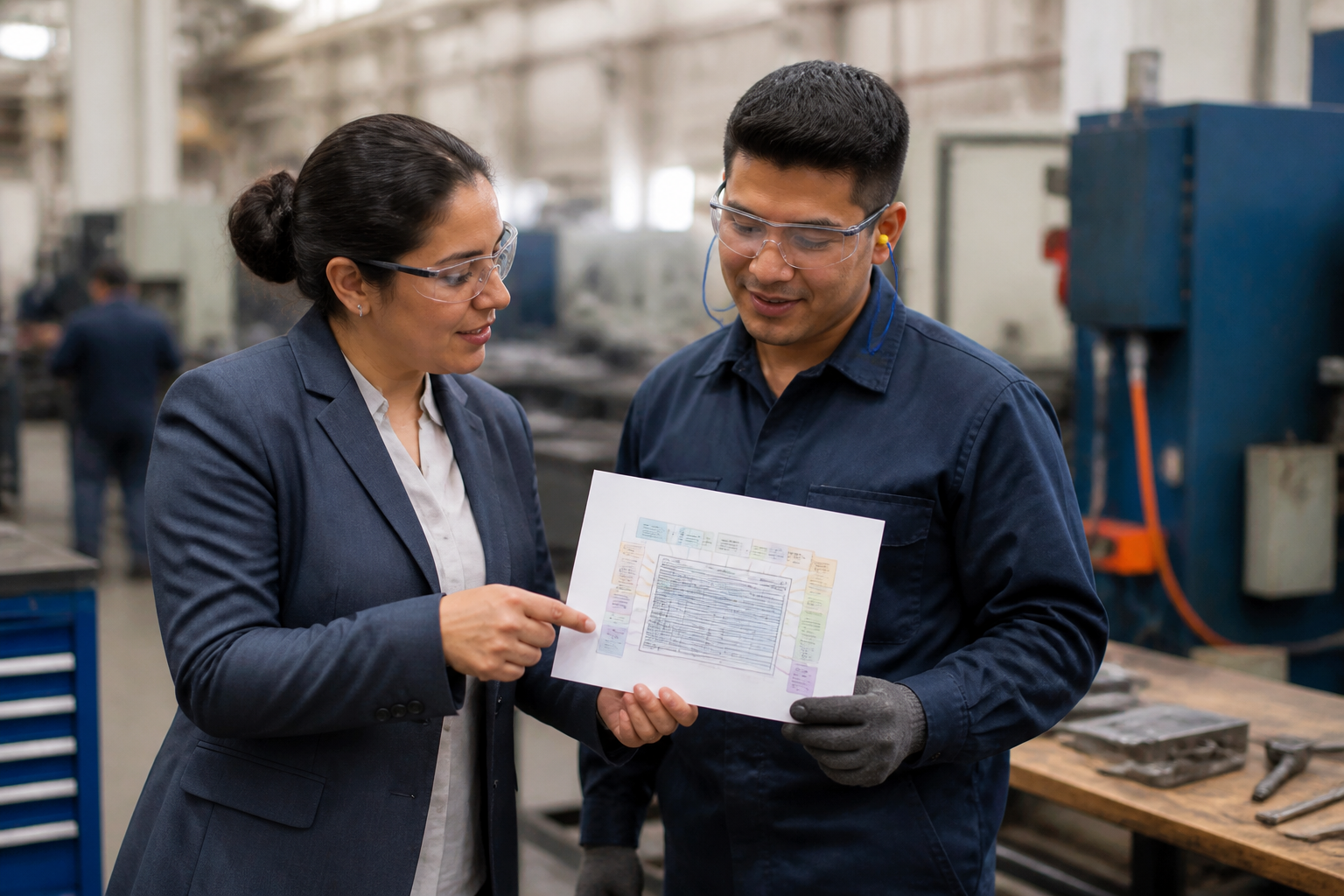
Effective ESL training programs focus on basic real-world workplace communication . Employees learn basic industry vocabulary, equipment basic equipment terminology and safety procedures, and common production phrases that directly relate to their daily responsibilities. This practical approach allows workers to immediately apply their language skills on the production floor.
For example, crane operators may practice communication used during lifting procedures and hand signals, while machine operators focus on troubleshooting instructions, maintenance terminology, and emergency response communication. Conveyor operators may train on shift handoff conversations, safety inspections, and reporting mechanical issues clearly to supervisors and maintenance teams.
Many successful manufacturing ESL programs use microlearning techniques that fit into busy production schedules. Short, focused lessons help employees improve communication without disrupting operations. Role-playing exercises, hands-on demonstrations, and on-the-job practice also help reinforce language skills in realistic workplace situations. Employees often feel more confident participating when lessons directly reflect the tasks they perform every day.
Within just a few weeks, many companies notice measurable improvements. Teams often experience faster response times, fewer communication errors, stronger teamwork, and improved compliance with safety procedures. Supervisors may also see increased employee confidence and greater willingness to ask questions or report concerns—both critical factors in maintaining workplace safety.
Beyond safety and productivity, ESL training can also improve employee retention and morale. Workers who feel supported in their professional development are more likely to stay with the company long-term. Investing in language training demonstrates that the organization values employee growth and wants every team member to succeed.
As manufacturing facilities continue to diversify their workforce, communication training is no longer optional—it is essential. Companies that prioritize workplace ESL programs create safer operations, stronger teams, and more efficient production environments.
Book your FREE Consultation Now via https://cal.com/newheightslanguages!
Visit New Heights Languages, LLC to see how you can increase retention, production, and safety while reducing language barriers for your team.