How Cultural Awareness Reduces Workplace Conflict
By New Heights Languages ·
How Cultural Awareness Reduces Workplace Conflict

How Cultural Awareness Reduces Workplace Conflict
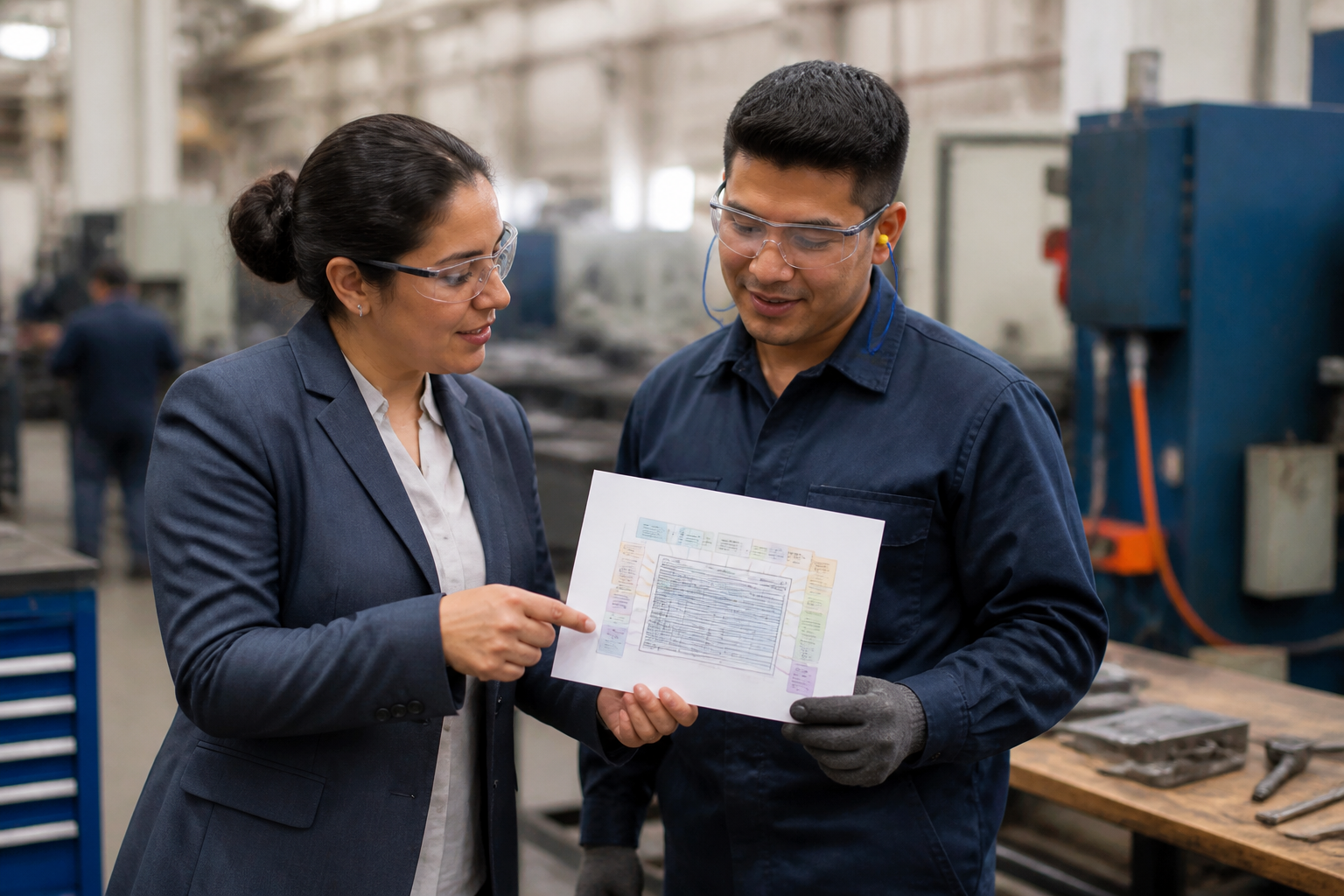
In today's manufacturing environments, cultural diversity is the norm. With multilingual teams operating complex machinery and managing tight production timelines, cultural awareness becomes essential for maintaining workplace harmony. Without it, small miscommunications can escalate into conflicts that impact safety, efficiency, and morale.
Understanding Cultural Misunderstandings
Cultural misunderstandings in manufacturing stem from unspoken norms around communication styles, punctuality, decision-making, and nonverbal cues. Some cultures value indirect communication to preserve harmony, while others prioritize directness for clarity. Attitudes toward time vary significantly—some see punctuality as respect, while others adopt a more flexible approach.
Decision-making differs too—some cultures follow hierarchical authority, while others emphasize group consensus. These differences can create confusion during shift planning or safety reviews. Nonverbal cues like eye contact and personal space carry different meanings across cultures, often leading to misinterpretation.
5 Ways Cultural Awareness Strengthens Teams
- Improves Cross-Cultural Communication - Recognizing different communication styles reduces misunderstandings during shift changes and safety huddles.
- Encourages Inclusive Problem-Solving - Diverse cultural backgrounds bring varied approaches to challenges, leading to more innovative solutions.
- Reduces Assumptions and Stereotypes - Structured learning about cultural norms replaces generalizations with understanding, fostering fairer interactions.
- Enhances Conflict Resolution - Employees learn to interpret disagreements through a cultural lens, avoiding personalization of differences.
- Builds Mutual Respect Across Shifts - Shared learning initiatives create common ground and strengthen accountability in 24/7 operations.
Building Cultural Competence
Start by assessing team dynamics to identify cultural friction points. Deliver role-specific training focused on safety protocols and shift handoffs. Use visual aids like multilingual signage with icons and color-coding. Host peer-led discussion circles to build trust, and reinforce learning through monthly refreshers.
Key Benefits
Cultural awareness improves workplace safety by ensuring clear communication during high-risk tasks. It's valuable even for small teams, improving cohesion and reducing turnover. Language training goes hand-in-hand with cultural understanding, particularly around safety protocols and equipment use.
Leaders play a crucial role by modeling inclusive behavior and recognizing cultural nuances in performance evaluations. Success can be measured by tracking reductions in miscommunication incidents and improvements in cross-shift collaboration. An inclusive workplace fosters engagement, increases retention, and creates a safer, more adaptive operation capable of meeting modern workforce challenges.
Book your FREE Consultation Now via https://cal.com/newheightslanguages!
Visit New Heights Languages, LLC to see how you can increase retention, production, and safety while reducing language barriers for your team.