How English Skills Improve Safety Meetings
By New Heights Languages ·
Clear Communication Saves Lives—Here’s Why English Matters in Safety Meetings
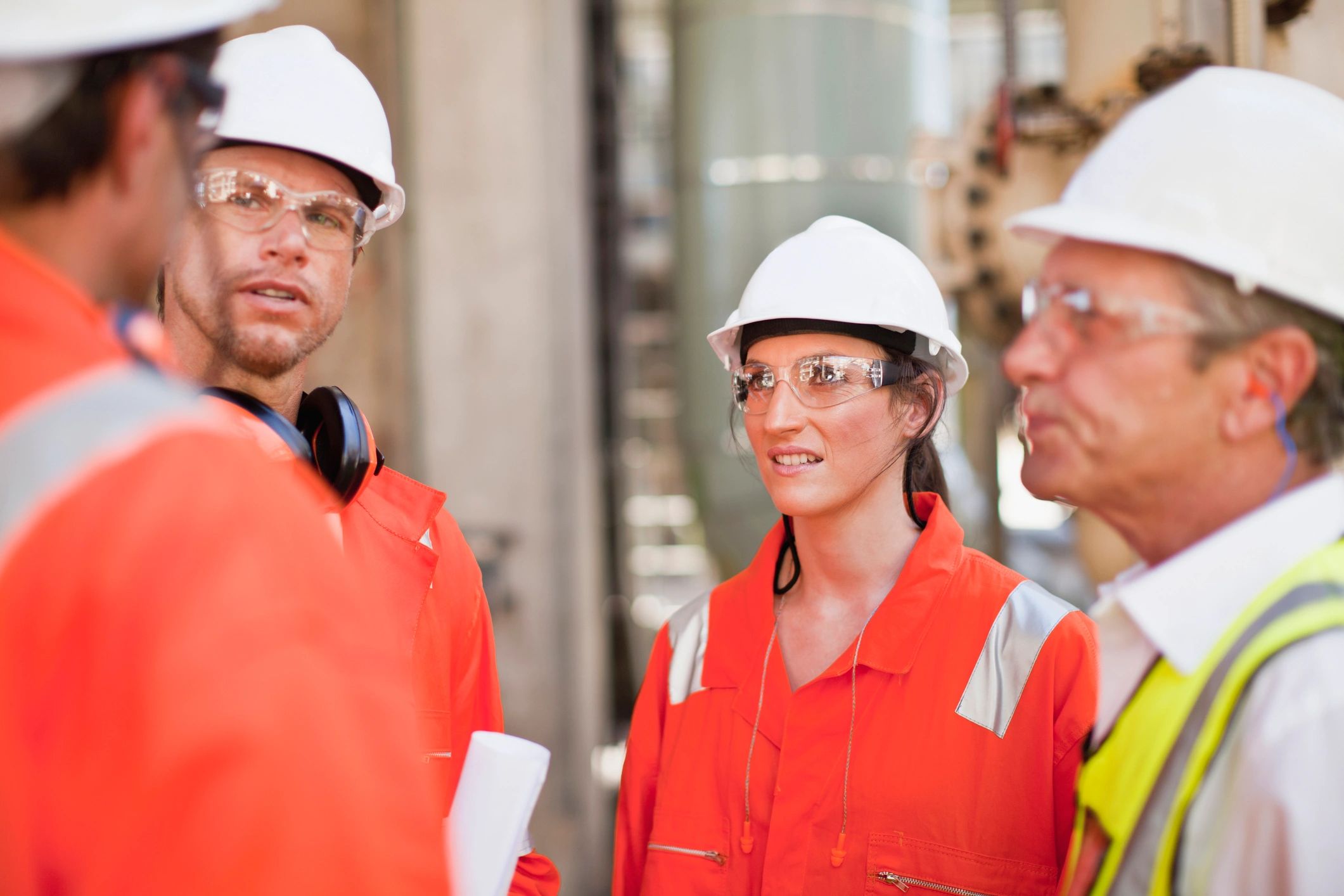
Clear Communication Saves Lives—Here’s Why English Matters in Safety Meetings
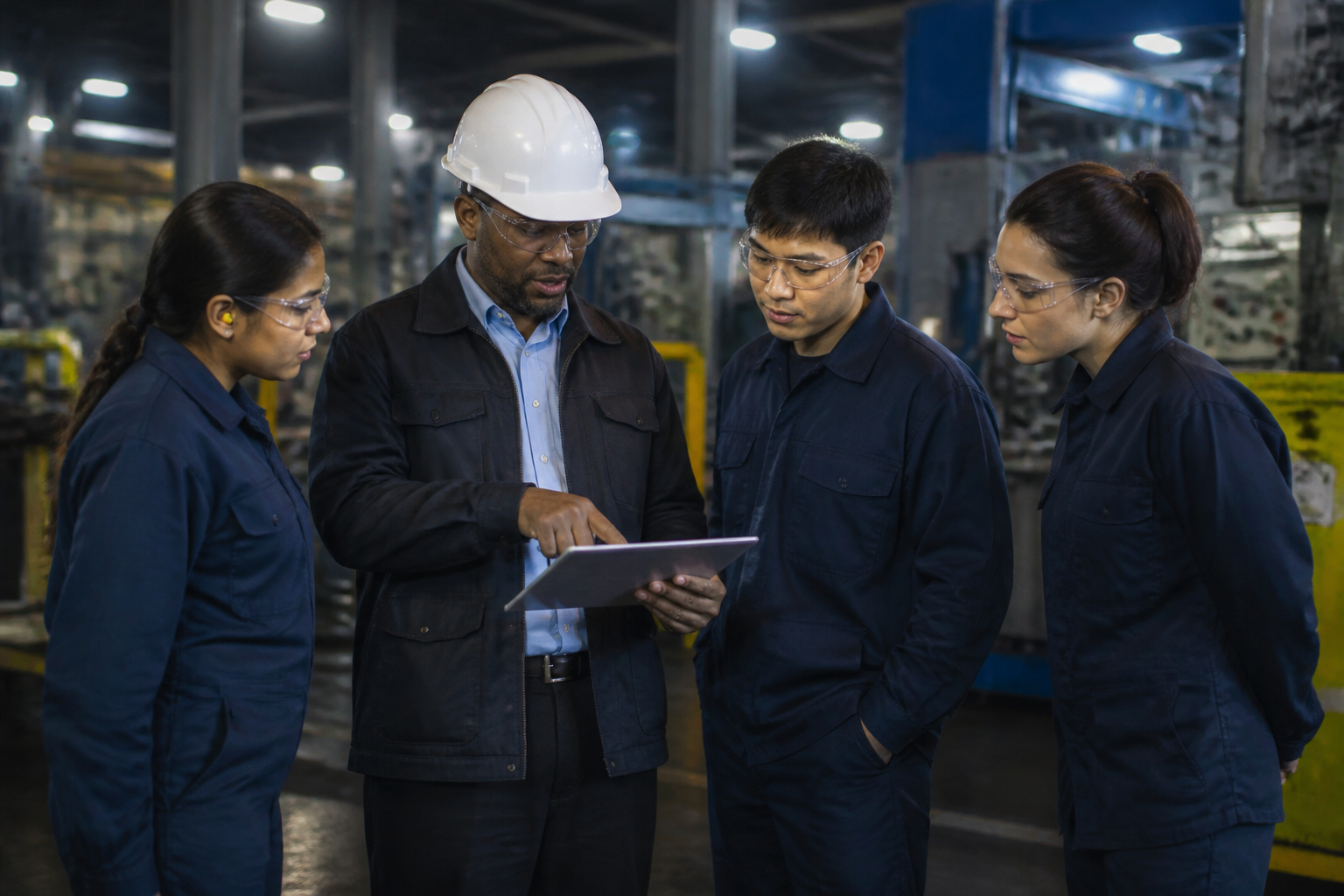
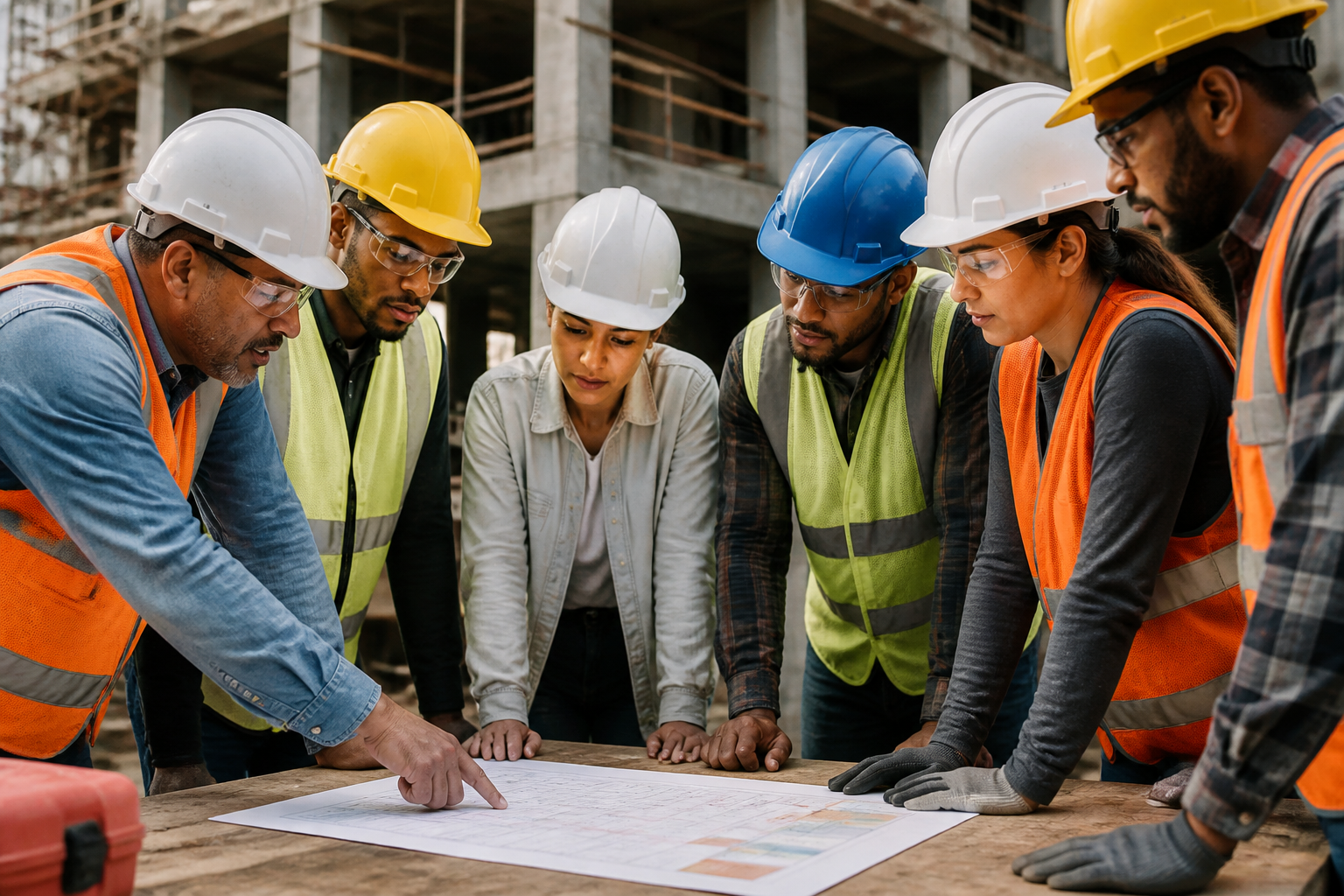
In fast-paced manufacturing environments like those in Athens, GA, a single misheard instruction can lead to serious incidents. English proficiency isn’t just about fluency—it’s a critical safety tool. When team members clearly understand safety protocols, hazard alerts, and emergency procedures, the entire operation becomes safer and more efficient. For frontline workers, comprehending every detail in safety meetings can mean the difference between a smooth shift and a preventable accident.
Strong English skills improve understanding of critical information—from lockout/tagout procedures to emergency evacuations. Workers who understand instructions correctly are more likely to follow them, reducing risks across the production floor.
5 Ways Language Barriers Undermine Safety
Language gaps can quietly erode safety standards. Here’s how:
- Delayed Incident Reporting – Workers may hesitate to report injuries or near-misses if they’re unsure how to explain them.
- Misinterpreted Instructions – Safety labels, and verbal briefings can be misunderstood without strong comprehension.
- Slower Emergency Response – If evacuation orders aren’t fully understood, response times suffer—increasing danger.
- Low Participation – Employees with limited English may stay silent during meetings, even when they spot hazards.
- Weak Shift Handoffs – Incomplete communication between shifts can leave critical safety details unresolved.
5 Practical Steps to Improve Communication
- Use Simple, Standardized Language – Replace complex terms with clear, direct commands like "Stop the machine" instead of "Please halt operations."
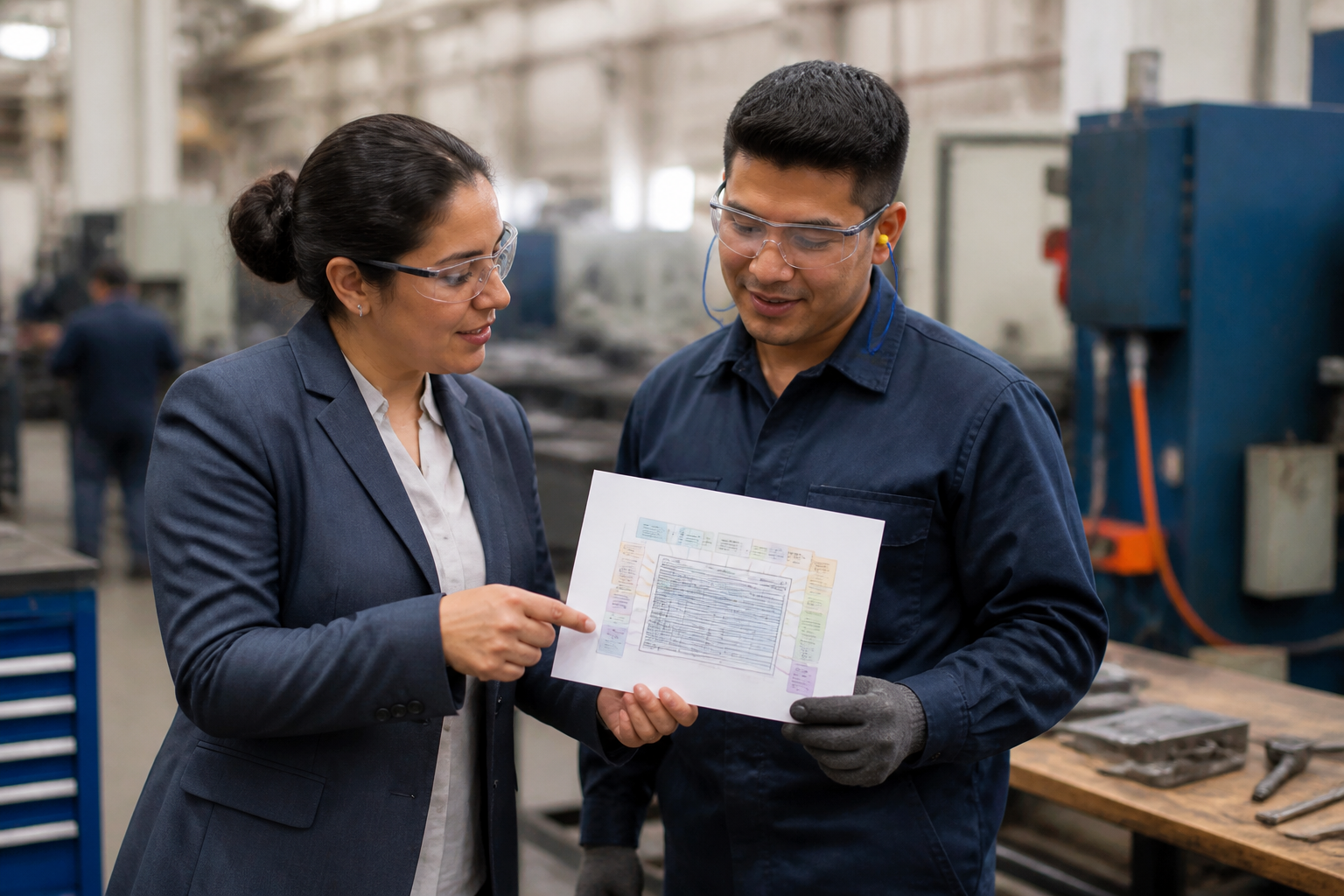
- Add Visual Aids – Pair instructions with diagrams, PPE icons, or hazard symbols to reinforce understanding.
- Encourage Repeat-Back – Ask team members to restate key steps in their own words to confirm comprehension.
- Host Mini-Language Huddles – Run 5–10 minute pre-meeting sessions to review safety terms like "lockout," "evacuate," or "PPE."
- Assign Language Buddies – Pair learners with bilingual coworkers for real-time support during fast-paced discussions.
Frequently Asked Questions
Why is English important in safety meetings?
Clear communication ensures everyone understands emergency procedures and hazard alerts, especially in industrial settings like Athens, GA.
Can language training really reduce incidents?
Yes. Workers who understand safety content are more likely to follow protocols, report hazards, and respond quickly in emergencies.
How can we support employees with limited English?
Use visual checklists, simplified language, role-playing, and peer support to build confidence and competence.
Shared Safety, Stronger Teams
When everyone understands the safety message, compliance improves, engagement grows, and workplaces become more inclusive. At New Heights Languages, we help manufacturers build communication skills that protect people, prevent incidents, and strengthen team cohesion—one word at a time.
Book your FREE Consultation Now via https://cal.com/NewHeightsLanguages!
Visit New Heights Languages, LLC to see how you can increase retention, production, and safety while reducing language barriers for your team.