How ESL Training Boosts Production Efficiency
By New Heights Languages ·
The Silent Engine Behind Smoother Production Lines
The Silent Engine Behind Smoother Production Lines
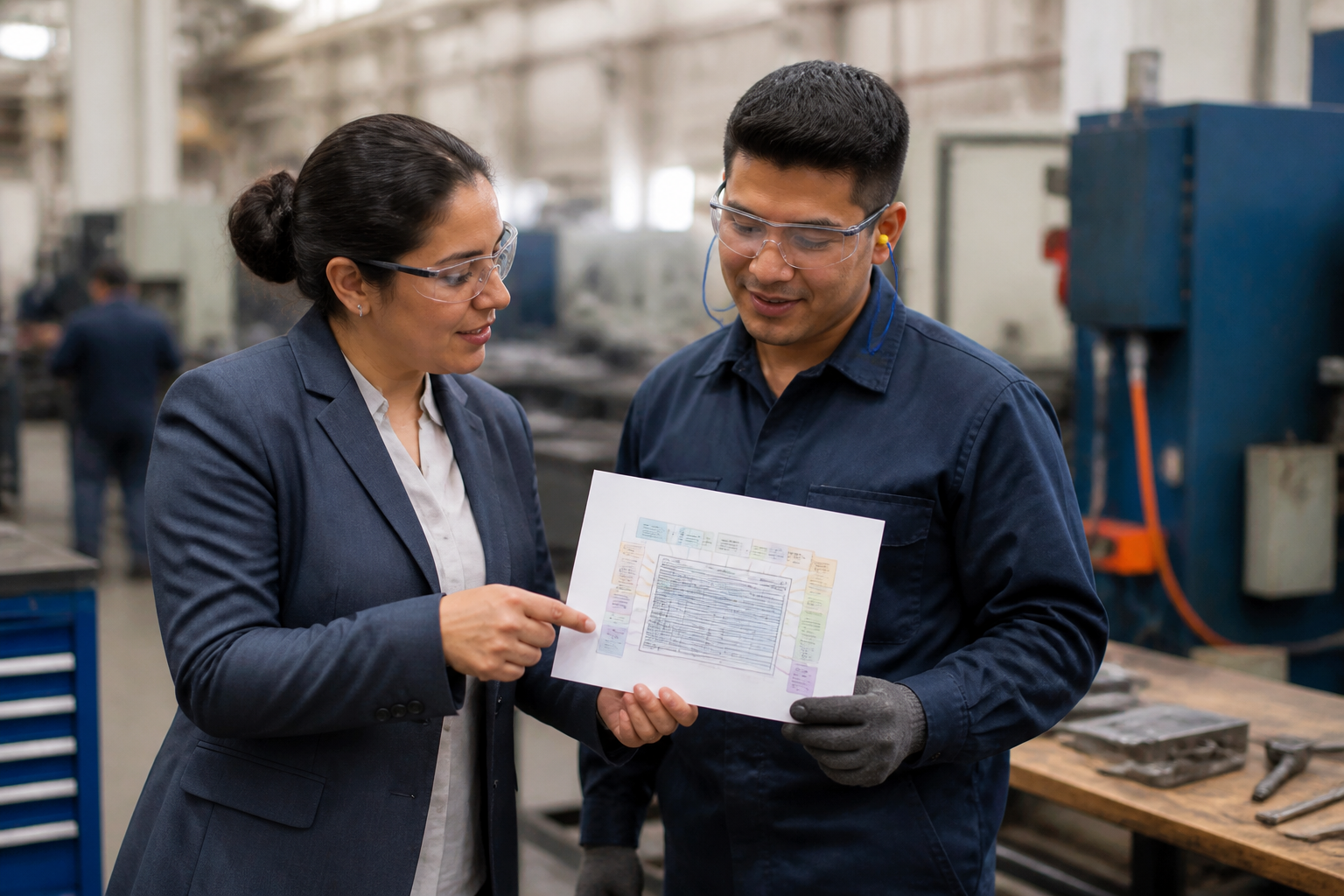
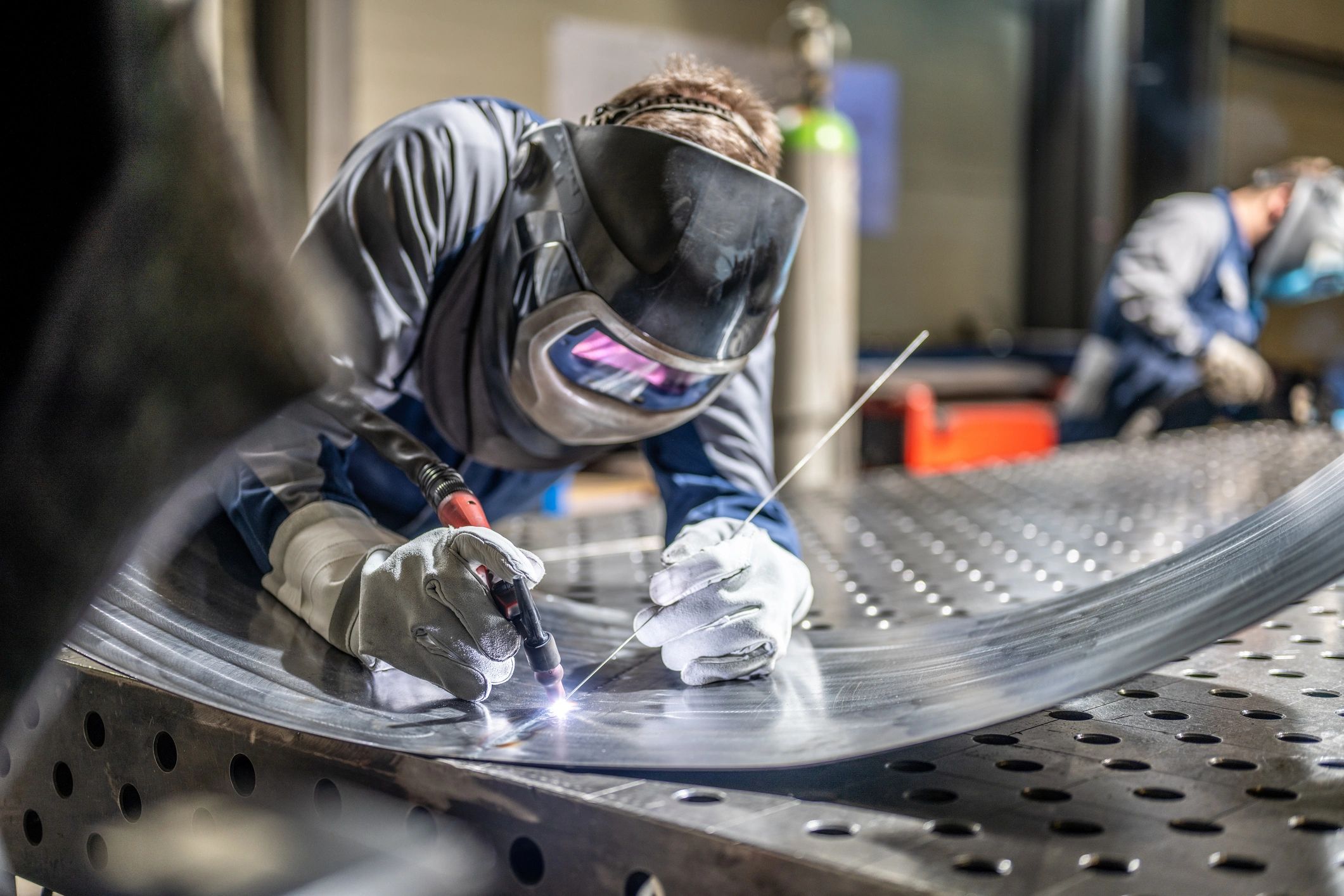
In modern manufacturing environments across Georgia and other industrial hubs, a powerful but often overlooked factor is reshaping productivity: language proficiency. Every day, production teams confront misunderstandings tied to technical instructions, safety protocols, and workflow adjustments—especially in multilingual workplaces where English may not be the first language for all employees. These communication gaps don’t just slow things down; they lead to rework, equipment misuse, and increased downtime, all of which eat directly into efficiency and profitability.
How Stronger English Skills Create Safer, More Alert Workforces
Workers with limited English proficiency may struggle to fully grasp safety signage, training materials, or verbal briefings—creating invisible gaps in awareness. These gaps can lead to accidental violations, improper equipment use, or delayed response during emergencies.
Manufacturers investing in workplace English training see fewer miscommunications that lead to incidents. Additionally, multilingual workforces perform more effectively when everyone uses a common operational language grounded in clear, consistent instruction.
When language barriers are addressed through targeted ESL training, non-native speakers gain the confidence and clarity to ask questions, confirm instructions, and report discrepancies—critical behaviors that keep operations running smoothly and defect-free.
How Seamless Shift Handoffs Prevent Costly Downtime
Effective communication during shift change isn’t just about passing along verbal notes—it’s about creating standardized, repeatable processes that ensure vital information is never lost. Use of shift logs, pre-shift huddles, and visual status boards helps align incoming and outgoing teams on equipment conditions, safety concerns, and production targets. When multilingual workforces are involved, using plain, industry-specific language and visual cues like color-coded tags or symbol-based checklists reduces misunderstandings significantly.
Frequently Asked Questions About Implementing ESL Training in Industrial Settings
Is ESL training effective for workers with limited formal education?
Yes, ESL programs tailored for industrial environments use hands-on, context-based learning that aligns with real-world tasks. By incorporating visual aids, demonstrations, and repetitive practice, these programs effectively support learners regardless of educational background, especially in manufacturing hubs like Athens, Georgia.
How long does it take to see results from an ESL program?
Most teams begin to notice improvements in daily communication within 8–12 weeks. Workers become more confident in understanding safety instructions, work orders, and equipment protocols, reducing misunderstandings that lead to downtime or rework.
Can ESL training be delivered onsite during shifts?
Absolutely. Many programs offer flexible scheduling with modular lessons that fit into pre-shift huddles or rotating break periods. This minimizes disruption and ensures consistent participation across all shifts and departments.
The bottom-line impact is clear: reduced defects, faster troubleshooting, and stronger team cohesion. Operators who confidently understand equipment manuals, supervisors who clearly deliver instructions, and maintenance crews who communicate issues in real time create a culture of precision and accountability. This isn't just about language proficiency—it's about operational excellence through clarity.
Improving communication isn’t an isolated HR initiative—it’s a productivity strategy.
Book your FREE Consultation Now via https://cal.com/newheightslanguages!
Visit New Heights Languages, LLC to see how you can increase retention, production, and safety while reducing language barriers for your team.