How Language Training Helps Manufacturers Scale Their Workforce
By New Heights Languages ·
The Hidden Hurdle in Manufacturing Growth: Language Gaps on the Floor
The Hidden Hurdle in Manufacturing Growth: Language Gaps on the Floor
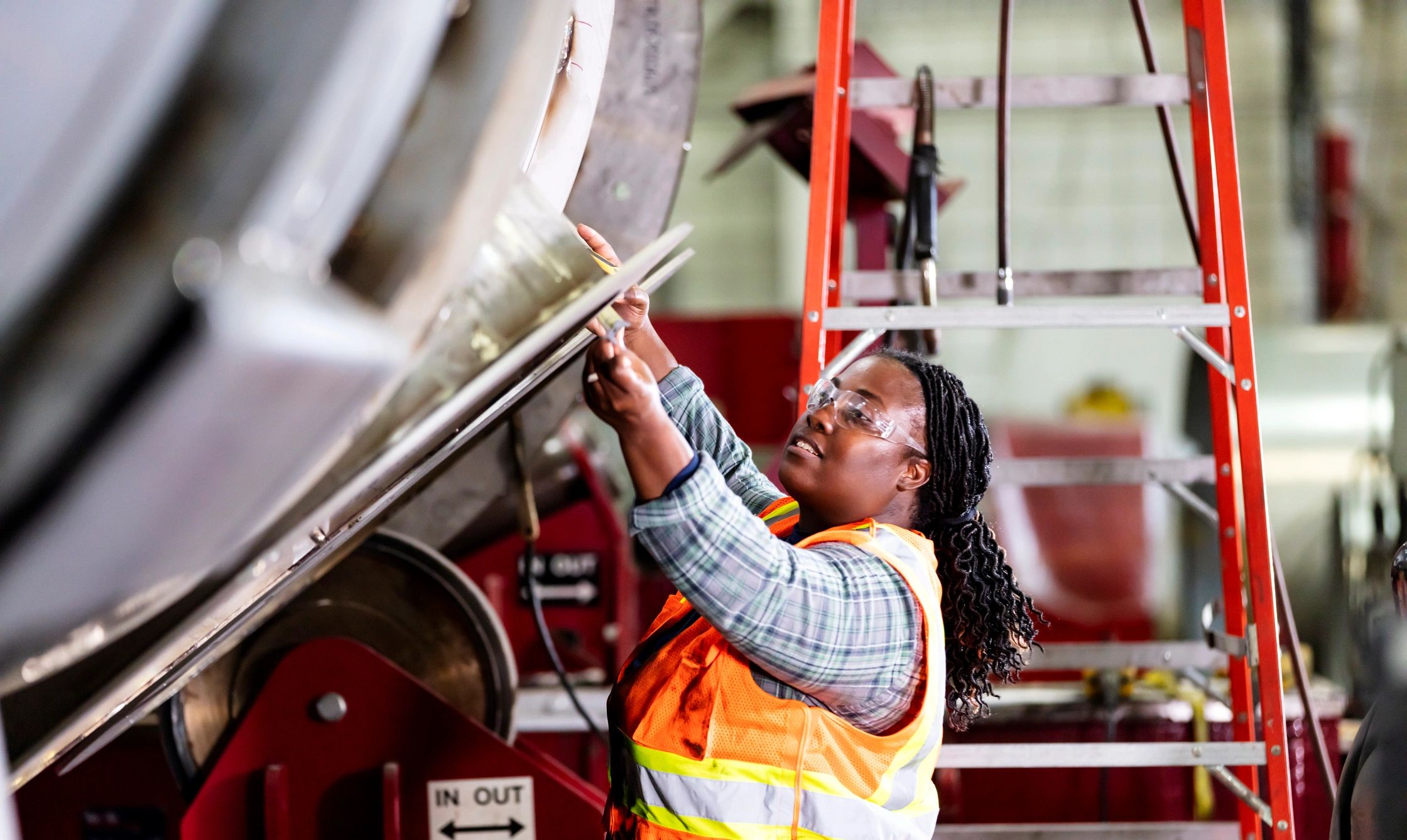
Scaling manufacturing operations in Athens, GA, and across the Southeast brings a hidden challenge: communication across multilingual teams. As hiring accelerates, language gaps can lead to rework, safety issues, or compliance lapses during shift changes and quality checks. Misunderstood instructions—even on critical tasks like lockout/tagout or tolerance specs—create costly errors.
In fast-moving production environments, assuming shared English fluency is a risk. With diverse workforces now standard, language competence must be treated as a core operational skill, not an afterthought. This post explains how targeted training closes these gaps, supporting safer, more efficient growth.
5 Ways Targeted Language Training Fuels Manufacturing Workforce Growth
- Accelerates Onboarding for Multilingual New Hires
Tailored instruction in terms like “cycle time” helps new team members grasp expectations faster, reducing ramp-up time and mistakes.
- Strengthens Safety Culture Across Language Barriers
Clear understanding of phrases like “confined space entry” or “emergency shutdown” ensures faster, safer responses—critical for OSHA compliance and team protection.
- Improves Precision in Production and Quality Control
Accurate interpretation of work orders and specs reduces scrap and rework, directly supporting lean goals and first-pass yield.
- Enhances Cross-Shift Communication and Team Cohesion
When operators share a common vocabulary, shift handovers are clearer, reducing downtime and improving continuity.
- Boosts Retention by Building Confidence and Belonging
Workers who understand their roles and communicate needs feel more engaged, stay longer, and reduce costly turnover.
Clear Communication, Stronger Teams: Why Language Skills Matter
During hiring surges, bringing on multilingual talent is strategic—but only if language doesn’t compromise safety or quality. Targeted training ensures employees understand SOPs faster, cutting the learning curve. Supervisors spend less time re-teaching and more time optimizing. In safety-critical settings, knowing “caution” from “emergency stop” is about prevention.
Manufacturers see faster time-to-productivity, fewer incidents, and higher confidence—KPIs that scale.
Frequently Asked Questions About Launching Language Programs
How does language training impact workforce scaling?
It broadens the talent pool by enabling effective onboarding of non-native English speakers, supporting rapid hiring without sacrificing clarity.
Does training slow down onboarding?
No—structured, role-specific training accelerates it. Workers grasp machine terms and expectations immediately, reducing rework.
What skills matter most?
Prioritize safety alerts, equipment terms, defect reporting, and handoff language. Real-task training delivers immediate results.
Can we train in-house?
Peer mentoring helps, but consistent results come from dedicated programs using manufacturing-specific terms and practice.
How do we measure success?
Track lower error rates, fewer safety events, shorter onboarding, and stronger audit scores. More team engagement signals progress.
Final Thoughts
Language training isn’t just support—it’s a strategic lever for scalable, resilient manufacturing. When teams at all levels understand key terms, from work orders to safety alerts, operations become more agile and aligned. Reduced miscommunication means fewer defects, higher throughput, and a culture where people feel empowered.
Start by identifying key communication gaps, integrating language goals into training, and reinforcing learning with visual aids. Equip your workforce to grow—stronger and more connected.
Book your FREE Consultation Now via https://cal.com/newheightslanguages!
Visit New Heights Languages, LLC to see how you can increase retention, production, and safety while reducing language barriers for your team.