How Language Training Improves Employee Engagement
By New Heights Languages ·
The Hidden Hurdle in Manufacturing Growth: Language Gaps on the Floor

The Hidden Hurdle in Manufacturing Growth: Language Gaps on the Floor
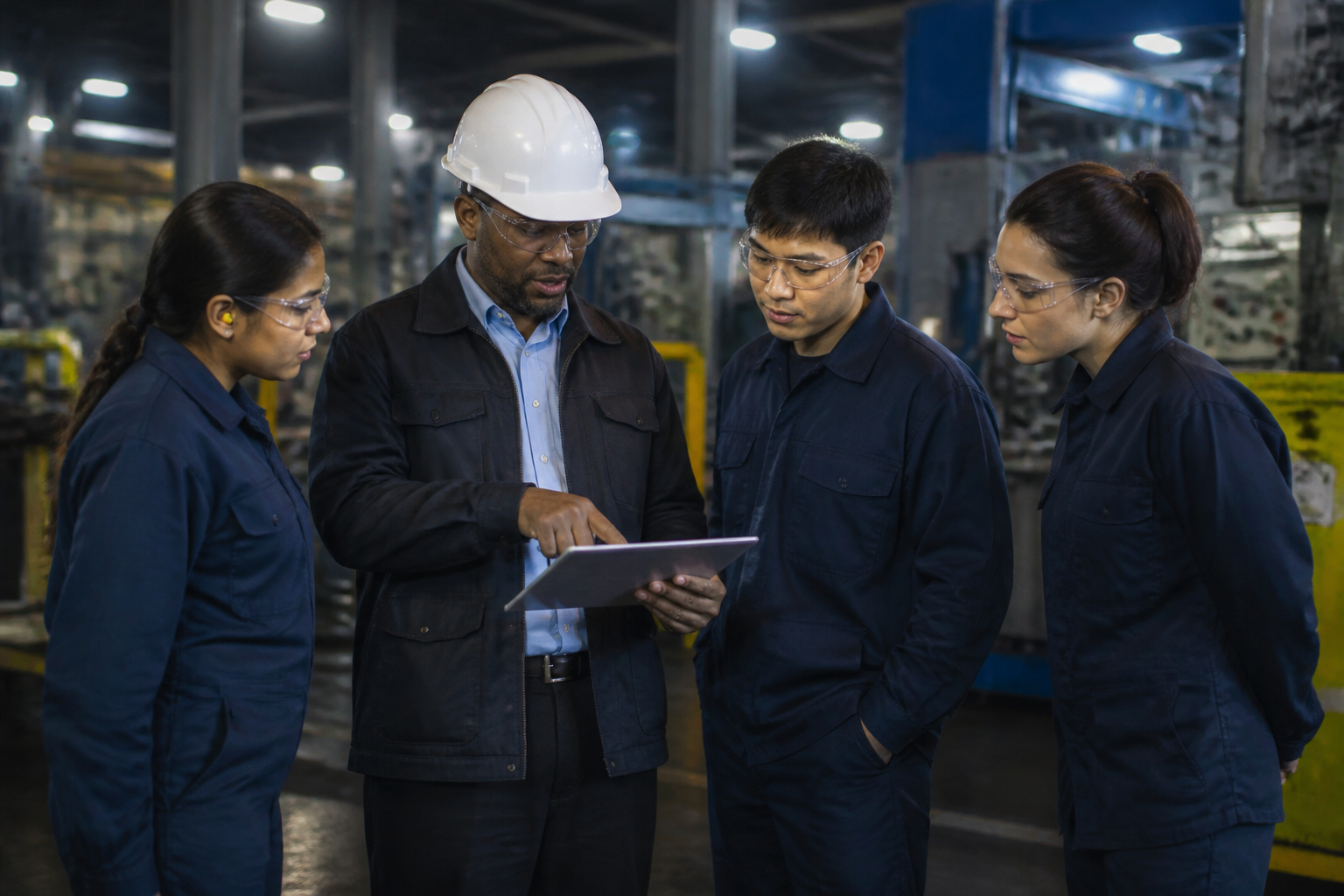
In fast‑paced manufacturing environments like Athens, GA, clear communication is essential for safety, efficiency, and morale. Yet many teams face a hidden challenge: limited English proficiency among frontline workers. When instructions aren’t fully understood, the result is isolation, repeated mistakes, and frustration — slowing production and weakening engagement. Over time, language gaps erode retention, productivity, and workplace culture. The good news? These issues are preventable. By making language training a workforce priority, manufacturers can strengthen safety, accuracy, and team cohesion while building a more inclusive culture.
5 Ways Targeted Language Training Supercharges Employee Engagement in Manufacturing
- Fosters Confidence Through Role-Specific Communication Skills
Employees gain immediate confidence when they understand the precise language used in daily operations—terms like changeover, tolerance range, or preventive maintenance. Targeted training focused on real-world tasks ensures workers can actively participate in line-side discussions, ask clarifying questions, and contribute to problem-solving. This sense of competence directly increases engagement, especially among non-native English speakers who may otherwise stay silent during team huddles or safety briefings in Atlanta, GA, and other high-production regions.
- Strengthens Peer-to-Peer Collaboration Across Shifts
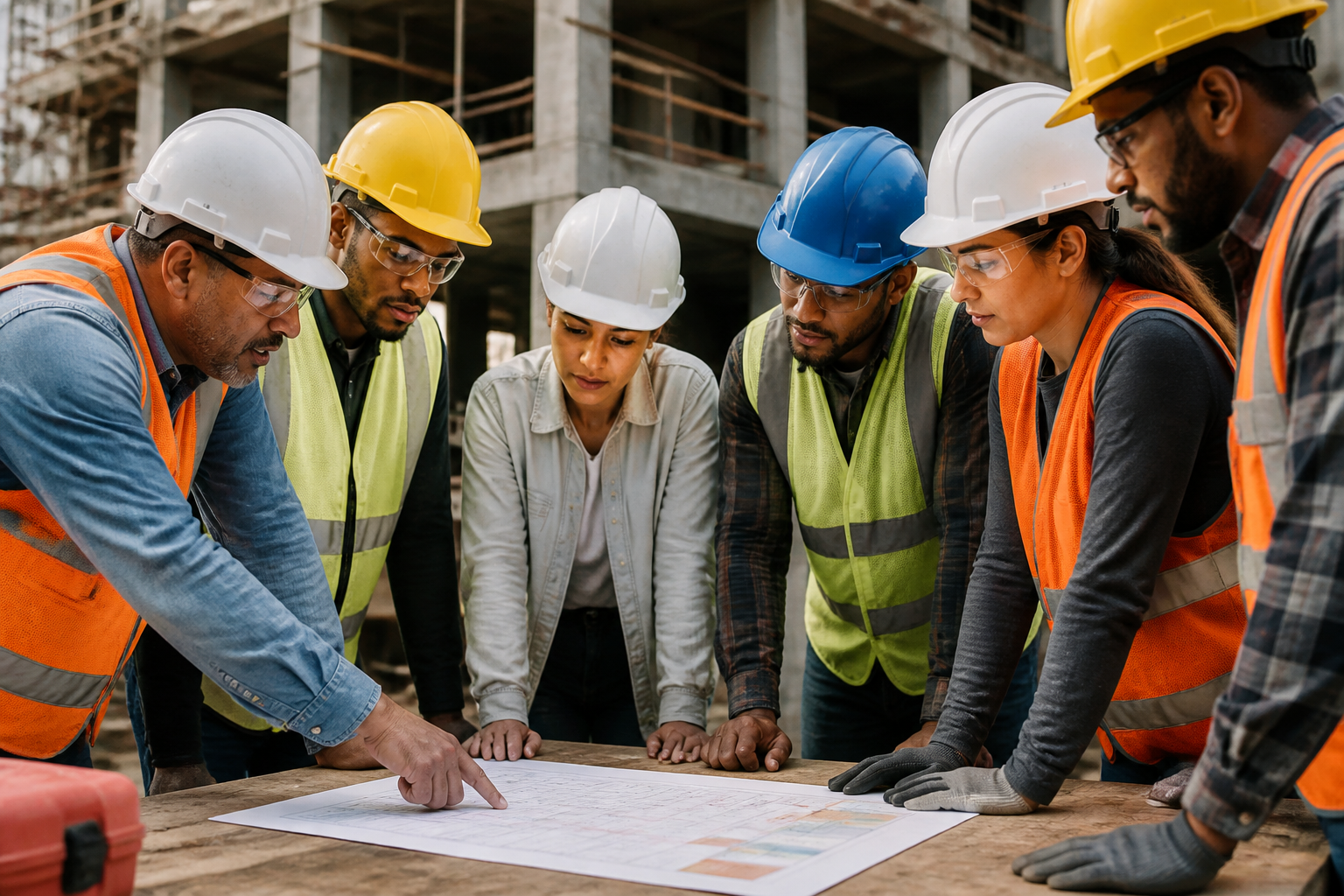
Clear communication during shift handoffs prevents misunderstandings that lead to downtime or errors. When all team members—regardless of native language—use the same terminology for machine settings, quality deviations, or maintenance logs, cross-shift continuity improves. This consistency builds trust among operators and encourages inclusive teamwork, especially in 24/7 facilities where seamless transitions are critical to throughput.
- Reduces Anxiety Around Safety Protocols and Compliance
Understanding safety signage, verbal warnings, and emergency procedures—such as lockout/tagout steps or PPE requirements—is non-negotiable. Language training that emphasizes high-risk vocabulary ensures every employee recognizes hazards and responds appropriately. When workers feel confident in their ability to stay safe and protect others, they’re more likely to speak up, report concerns, and engage in safety culture initiatives.
- Increases Participation in Continuous Improvement Programs
Programs like Kaizen or 5S rely on frontline input, but language barriers often silence valuable voices. Training that teaches the language of waste reduction, standard work, and defect categories empowers all employees to contribute ideas. This inclusion not only boosts morale but strengthens the effectiveness of improvement efforts by tapping into diverse perspectives across the production floor.
- Supports Career Mobility and Long-Term Retention
When workers can understand supervisory instructions, training modules, and cross-functional roles, they see clearer paths for advancement. Language competence becomes a gateway to leadership opportunities, increasing job satisfaction and reducing turnover. Facilities in manufacturing hubs like Athens, GA, report stronger team cohesion and longer tenures when language programs are embedded into workforce development strategies.
How Clear Communication Builds Inclusive, Resilient Teams
Effective language skills do more than streamline operations—they create workplaces where every employee feels seen, heard, and valued. In manufacturing environments across Athens, GA, and similar industrial hubs, a multilingual workforce is no longer the exception but the norm. When teams can clearly express concerns, ask questions, and participate in discussions, it fosters a culture of psychological safety and belonging. Workers who understand safety protocols, production expectations, and feedback from supervisors are less likely to experience anxiety or isolation on the job.
Improved communication directly supports mental well-being by reducing misunderstandings that lead to frustration or errors. Employees gain confidence when they can articulate issues—from equipment malfunctions to scheduling needs—without fear of misinterpretation. This transparency strengthens trust across shifts and hierarchies.
To build this culture:
- Train teams using real-world phrases tied to daily tasks
- Encourage peer-to-peer language practice during downtime
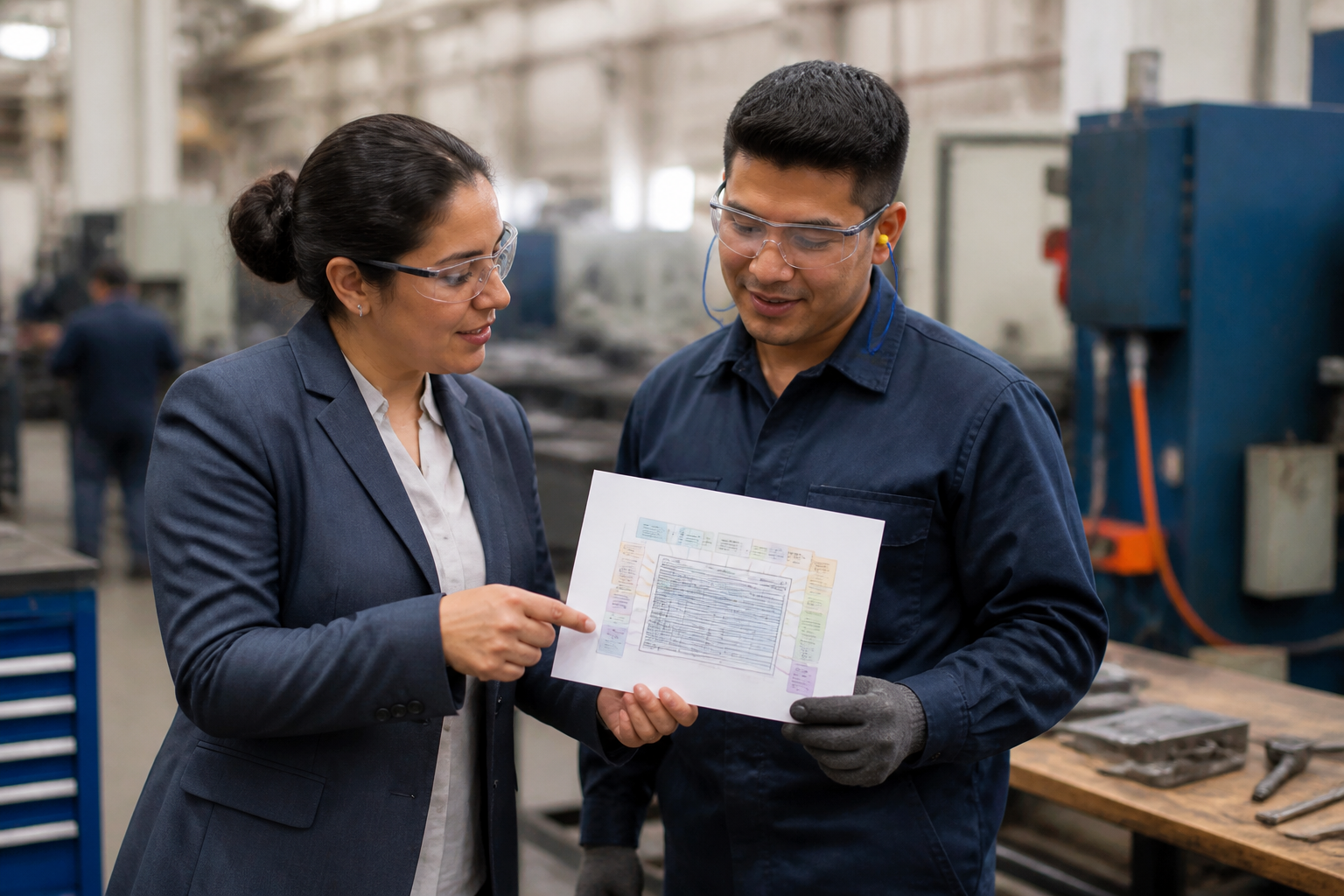
- Use visual aids paired with verbal instructions for reinforcement
When language competence is embedded into training programs, it signals respect for diverse backgrounds while aligning everyone around common goals. The result? A more cohesive, engaged workforce ready to scale with your operations.
Building a Stronger, More Connected Workforce Through Language Development
Investing in language development isn’t just about vocabulary—it’s a strategic move that directly impacts employee engagement, operational efficiency, and long-term resilience. When team members at all levels master the critical language of their roles, from safety protocols to production terminology, communication barriers fall. This leads to fewer misunderstandings, reduced rework, and a safer, more cohesive environment—especially in multilingual manufacturing settings across locations like Athens, GA, and beyond. Employees who feel understood and equipped to communicate effectively report higher job satisfaction, stay longer, and contribute more confidently to team goals.
To see tangible results, start by identifying high-impact communication gaps in shift handoffs, equipment operation, or safety briefings. Then, integrate targeted language modules into onboarding and ongoing training using real-world scenarios. Reinforce learning with visual job aids and role-specific vocabulary lists. Track improvements through onboarding speed, incident reduction, and team feedback.
Language proficiency builds a foundation of trust and clarity. By prioritizing this essential skill, businesses empower their people, enhance productivity, and create a culture where every employee feels valued and heard. Explore structured language training solutions to support your team’s growth and strengthen your operational foundation.
Book your FREE Consultation Now via https://cal.com/newheightslanguages!
Visit New Heights Languages, LLC to see how you can increase retention, production, and safety while reducing language barriers for your team.