How Language Training Reduces Turnover
By New Heights Languages ·
How Language Training Reduces Employee Turnover
How Language Training Reduces Employee Turnover
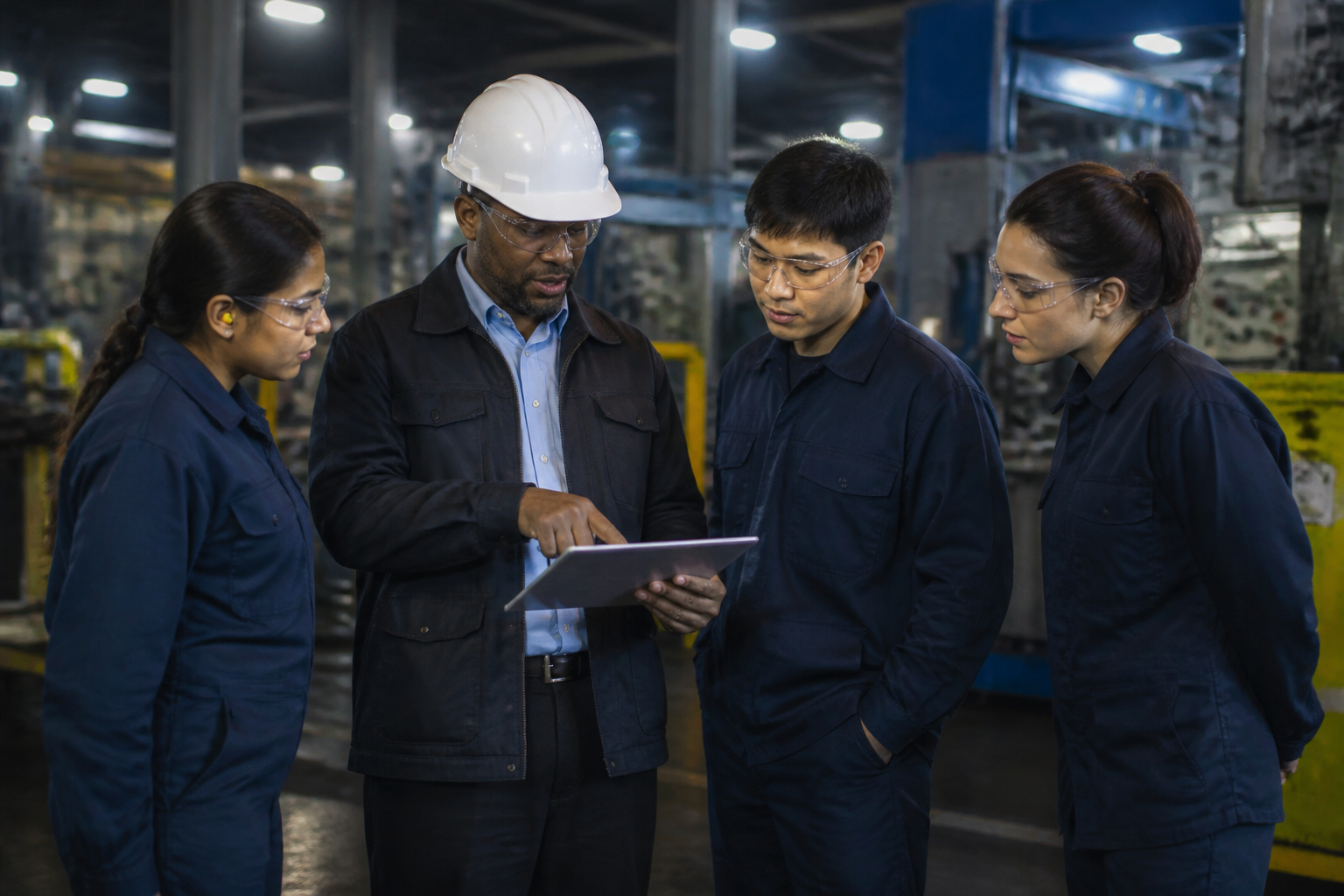
In today’s diverse manufacturing environments, language barriers can silently erode employee engagement and contribute to high turnover rates. When team members struggle to understand safety instructions, shift changes, or feedback from supervisors, frustration builds—often leading to disengagement and departure. By investing in targeted language training, companies not only improve communication but also foster a more inclusive, safe, and loyal workforce.
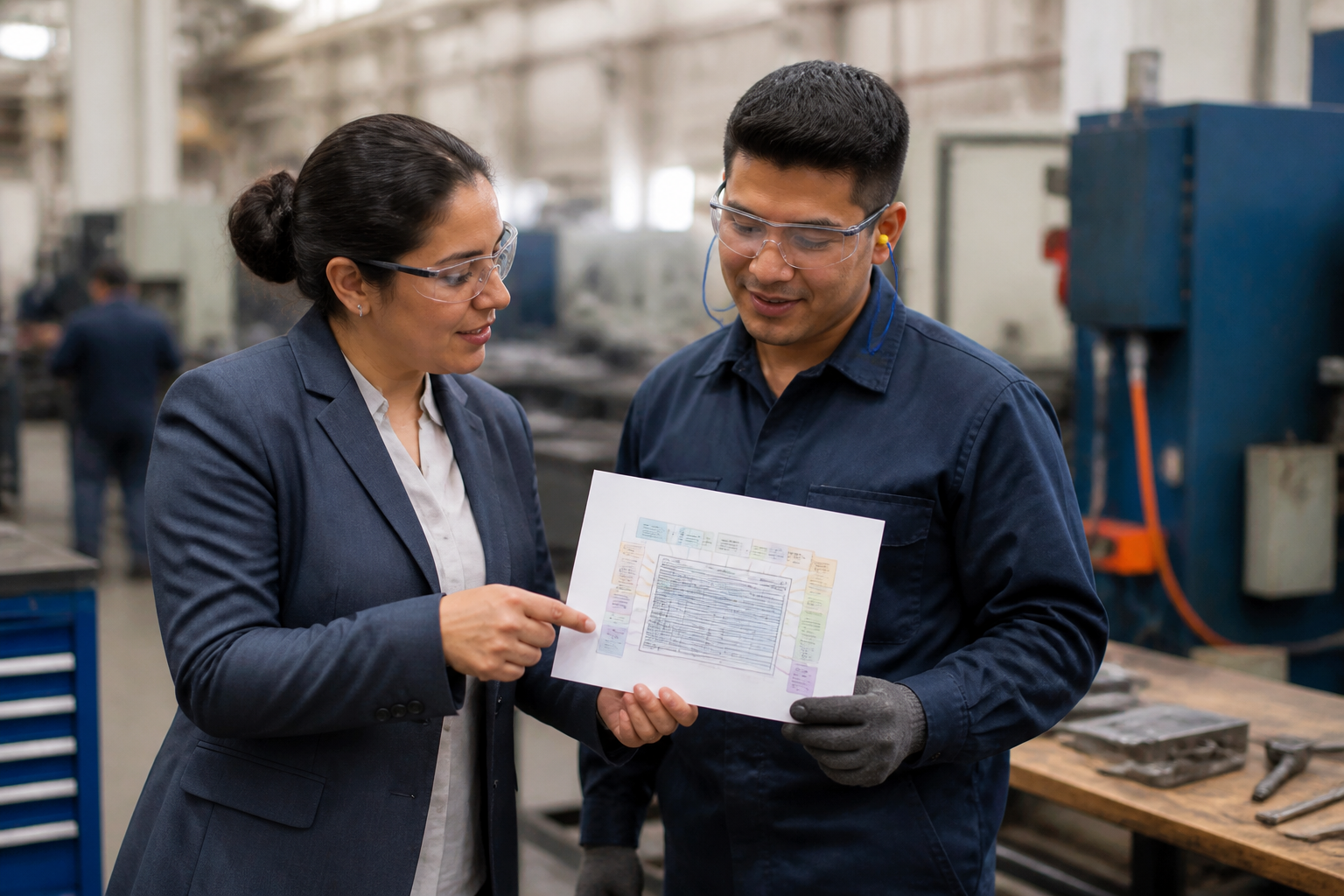
Employees who feel understood and empowered to communicate are far more likely to stay with their employer. Language training bridges critical gaps, ensuring that non-native speakers fully grasp workplace expectations, procedures, and company values. This clarity boosts confidence, reduces errors, and enhances overall job satisfaction.
Key benefits of language programs include:
- Improved Safety Compliance: Workers better understand hazard warnings, PPE requirements, and emergency protocols.
- Stronger Team Collaboration: Clear communication fosters trust and cooperation across multicultural teams.
- Higher Engagement: Employees participate more actively when they can understand and contribute to discussions.
- Reduced Onboarding Time: New hires become productive faster with language support tailored to manufacturing contexts.
- Enhanced Morale: Feeling included and valued improves workplace culture and loyalty.
Frequently Asked Questions:
Why does language training reduce turnover?
When employees can communicate effectively, they experience less stress, fewer misunderstandings, and greater job satisfaction—all key drivers of retention.
Can language training really impact safety?
Absolutely. Misunderstandings due to language gaps are a leading cause of preventable accidents. Clear communication saves lives.
Is language training cost-effective?
Yes. The cost of replacing an employee far exceeds the investment in language support, especially when factoring in lost productivity and retraining.
Can training be tailored to manufacturing?
Definitely. The most effective programs focus on real-world basic vocabulary and scenarios specific to plant operations, safety, and team interaction.
By prioritizing language development, manufacturers don’t just teach words—they build stronger, safer, and more resilient teams. The result is a workplace where everyone, regardless of language background, can thrive.
Book your FREE Consultation Now via https://cal.com/newheightslanguages!
Visit New Heights Languages, LLC to see how you can increase retention, production, and safety while reducing language barriers for your team.