How Spanish Training Helps Supervisors Lead
By New Heights Languages ·
Breaking the Language Barrier: Why Supervisors Need Spanish Skills
Breaking the Language Barrier: Why Supervisors Need Spanish Skills
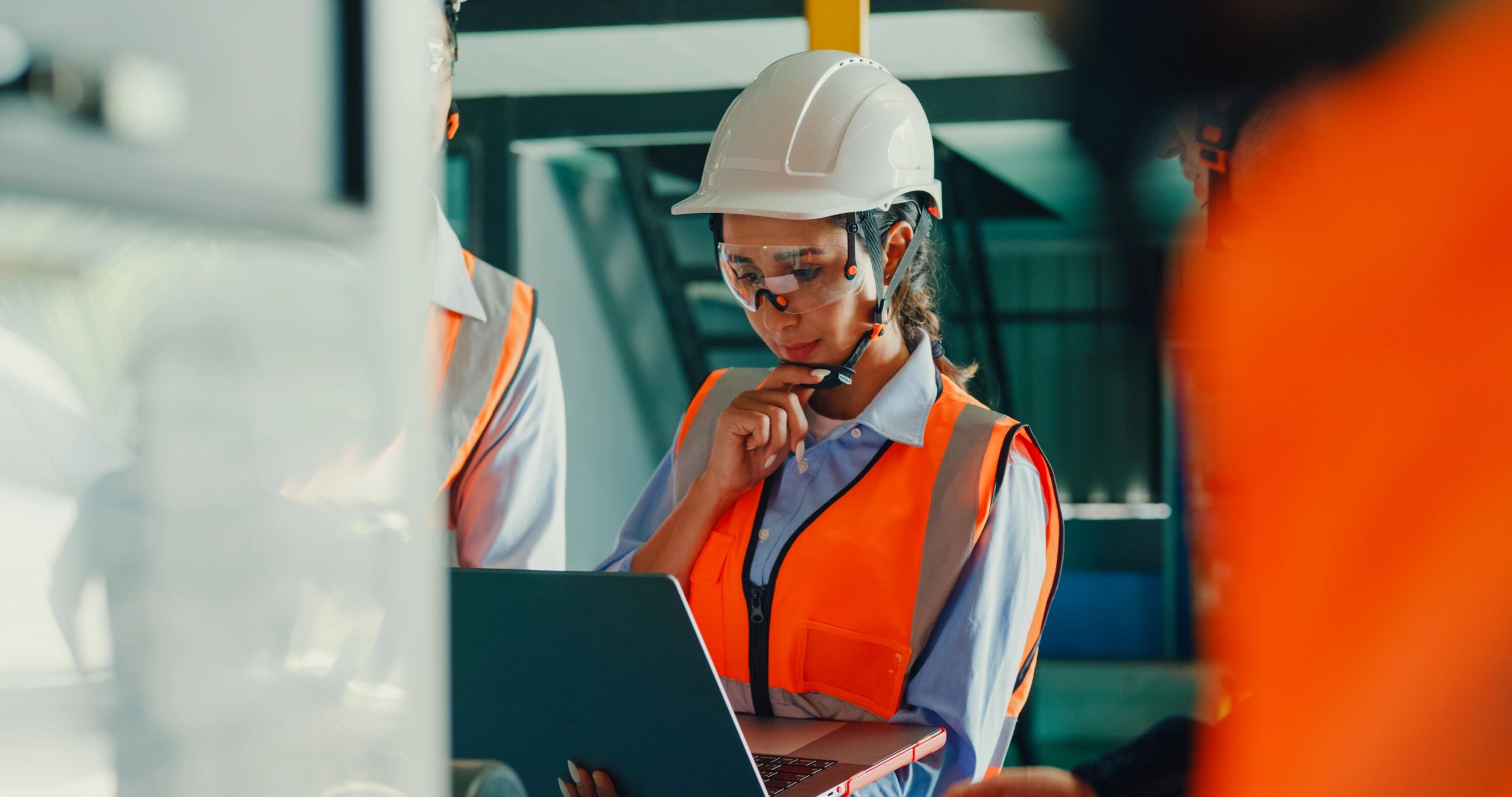
In manufacturing hubs across Georgia and similar industrial regions, supervisors face a growing challenge: leading teams where English isn't the primary language for many frontline workers. Miscommunication isn't just inconvenient—it can lead to safety lapses, reduced productivity, and lower employee morale. With Spanish being the second most spoken language in many U.S. workplaces, supervisors who lack basic fluency may miss critical non-verbal cues, misunderstand on-the-spot feedback, or struggle during emergency protocols.
Spanish language training is no longer just a resume booster—it's a leadership tool. Supervisors equipped with practical, job-specific Spanish skills can issue clear instructions, build trust through direct conversation, and foster a more inclusive work culture. This isn't about achieving fluency overnight, but mastering high-frequency phrases related to safety, equipment operation, scheduling, and performance feedback.
When supervisors communicate directly in Spanish during shift briefings, equipment training, or emergency drills, workers feel respected and included. This direct connection reduces reliance on translations or peer interpreters, minimizing the chance of message distortion. Supervisors who speak Spanish can conduct real-time check-ins, clarify procedures instantly, and reinforce PPE compliance without delay.
How Bilingual Supervisors Defuse Tension and Strengthen Team Dynamics
Consider a shift where a piece of machinery malfunctions. A supervisor who speaks Spanish can immediately gather input from all team members, ensuring critical safety details aren’t lost in translation. They can conduct real-time troubleshooting, confirm lockout-tagout procedures with Spanish-dominant workers, and document concerns accurately—all while keeping the team calm and focused.
Additionally, daily interactions—like safety huddles or performance feedback—become more meaningful when delivered in a worker’s preferred language. This leads to higher engagement, better compliance with safety standards, and stronger team cohesion on the shop floor.
The Lasting Value of Bilingual Leadership in Industrial Teams
When supervisors communicate effectively in both English and Spanish, they do more than bridge language gaps—they strengthen the entire operational foundation of manufacturing environments. Bilingual leadership fosters clearer safety communication, minimizes misinterpretation of procedures, and accelerates response times during critical incidents. In cities like Athens, Georgia, where diverse teams power production floors, this level of clarity directly supports compliance with workplace safety communication standards and reduces preventable accidents.
Beyond safety, supervisors who lead in both languages build higher levels of trust and inclusion. This strengthens employee morale, increases retention, and empowers frontline workers to speak up about hazards or inefficiencies. Teams become more adaptive, supervisors more approachable, and day-to-day operations run with greater cohesion.
To build this advantage:
- Begin with targeted Spanish training focused on supervisory duties—safety briefings, equipment instructions, and conflict resolution.
- Reinforce learning through real-world practice, such as leading shift meetings in Spanish.
- Measure progress by tracking near-miss reporting rates and team engagement scores over time.
Investing in bilingual leadership isn’t just about language—it’s about creating a safer, more connected, and efficient workplace. Start small, stay consistent, and watch the impact grow across your entire team.
Book your FREE Consultation Now via https://cal.com/newheightslanguages!
Visit New Heights Languages, LLC to see how you can increase retention, production, and safety while reducing language barriers for your team.