Improving Communication During Shift Changes
By New Heights Languages ·
Why Shift Change Communication Matters in Manufacturing
Why Shift Change Communication Matters in Manufacturing
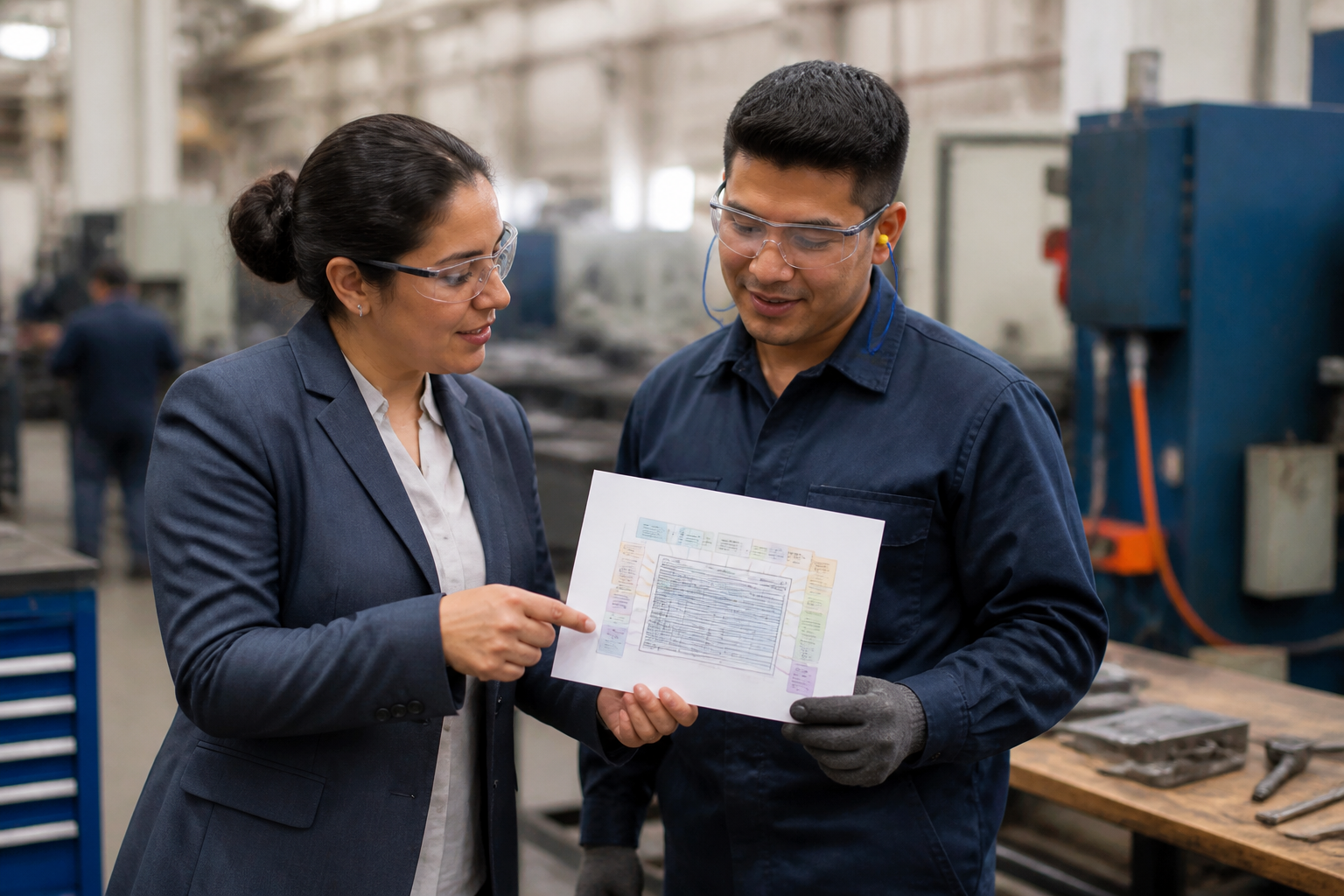
Effective communication during shift changes is essential for maintaining safety, productivity, and operational continuity in manufacturing environments. In fast-paced industrial settings, the transition between shifts is more than just a personnel change—it's a critical handoff where key information about equipment status, safety hazards, and ongoing tasks must be clearly communicated. Miscommunication during this period can lead to costly downtime, safety incidents, and quality issues.
Many manufacturing teams still rely on informal or verbal-only handovers, increasing the risk of vital details being lost or misunderstood—especially in multilingual workplaces. Without standardized processes, incoming shifts may lack clarity on unfinished work or emerging problems, slowing response times and reducing efficiency.
5 Practical Strategies for Better Shift Transitions
- Use Standardized Checklists
Adopt consistent handover templates that include equipment status, safety updates, production metrics, and pending actions. This ensures critical information isn’t overlooked.
- Hold Brief Shift Briefings
Conduct short, focused meetings at the start and end of each shift. These huddles improve accountability and allow for real-time clarification.
- Implement Digital Logs
Replace paper records with digital shift logs accessible to all team members. Digital systems provide timestamps, attachments, and better readability.
- Train for Clarity and Active Listening
Teach teams to confirm understanding, paraphrase key points, and ask follow-up questions—especially important in high-noise or diverse language environments.
- Use Visual Status Boards
Install color-coded dashboards or signage to display real-time production and safety data. Visual aids help bridge communication gaps and keep all shifts informed.
Frequently Asked Questions
How can we ensure nothing critical is missed during handovers?
Use a documented checklist that both outgoing and incoming teams review together. This creates accountability and reduces reliance on memory.
Should safety updates be included every time?
Absolutely. Safety alerts, near-misses, lockout/tagout statuses, and environmental risks should be part of every handover.
What’s the best way to communicate in loud environments?
Use written logs, digital alerts, or tablets. Combine these with brief face-to-face meetings in quieter areas when possible.
How often should we review our shift change process?
Evaluate procedures every 90 days or after any safety incident. Gather frontline feedback to continuously improve.
Book your FREE Consultation Now via https://cal.com/newheightslanguages!
Visit New Heights Languages, LLC to see how you can increase retention, production, and safety while reducing language barriers for your team.