Language Training as a Competitive Advantage in Hiring
By New Heights Languages ·
Language Training: A Strategic Advantage in Hiring

Language Training: A Strategic Advantage in Hiring
In today’s competitive labor market, companies are looking for ways to attract skilled employees, improve retention, and increase workplace efficiency. One of the most overlooked strategies is workplace language training. For industries such as manufacturing, logistics, construction, and technical services, investing in ESL (English as a Second Language) programs is no longer just a support initiative—it is a strategic hiring advantage.
As businesses across Athens and throughout the United States continue building diverse workforces, communication has become a critical factor in operational success. Language barriers can create misunderstandings, slow onboarding, increase safety risks, and reduce productivity. Companies that provide language training are better positioned to hire qualified workers from broader talent pools while maintaining high performance standards.
Many employers are shifting away from outdated hiring models that exclude non-native English speakers. Instead, forward-thinking organizations are investing in workplace ESL training that teaches employees the language skills needed for their specific roles. This includes safety terminology, equipment instructions, quality control communication, emergency procedures, and daily workplace interactions.
Industry-specific language training helps employees gain confidence quickly. Workers are able to understand supervisors more clearly, ask questions when needed, and communicate effectively with team members. This leads to fewer production errors, stronger collaboration, and improved workplace safety.
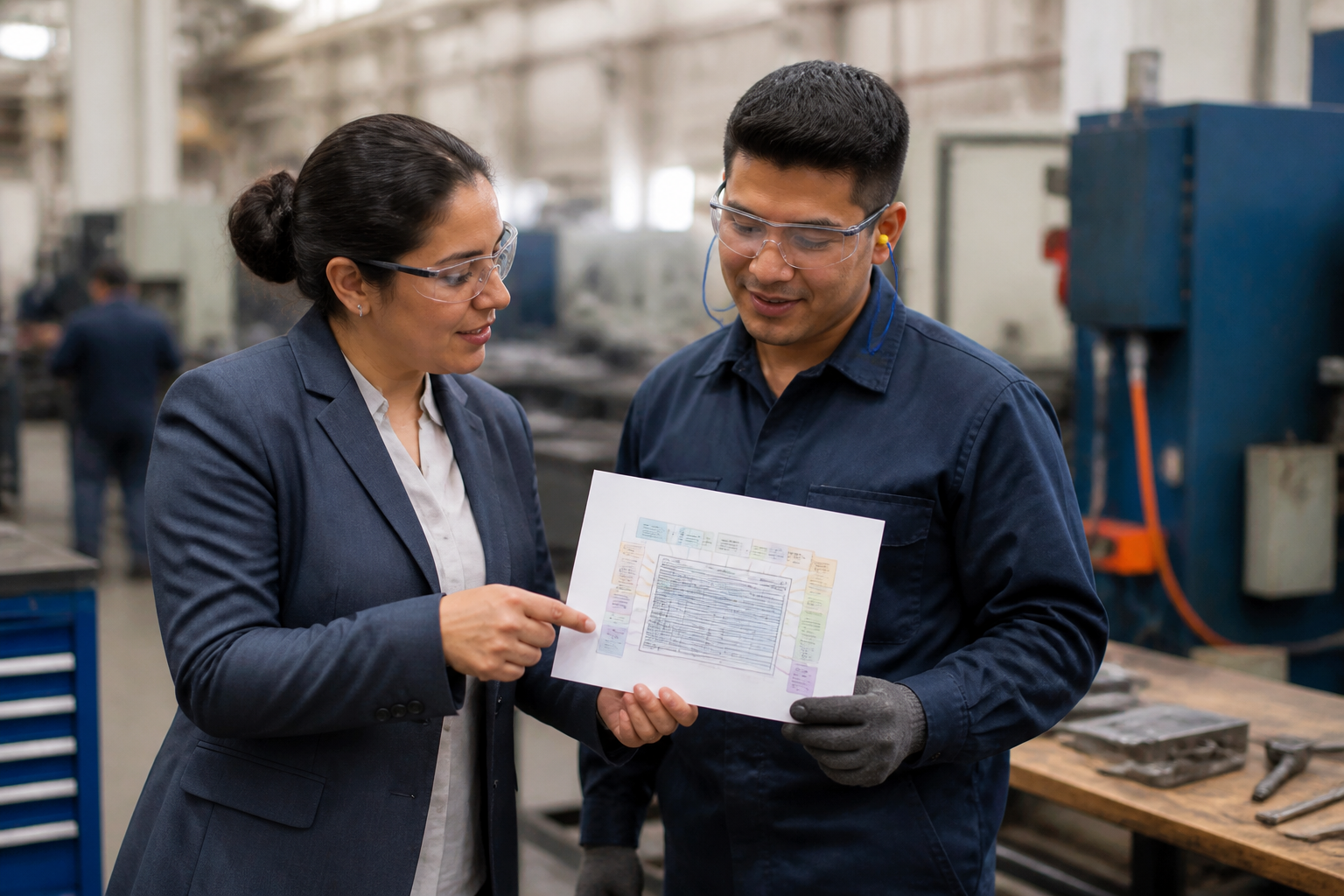
In manufacturing and industrial settings, clear communication is especially important. Employees must understand instructions related to machinery, lockout/tagout procedures, hazard reporting, and operational protocols. Miscommunication in these environments can result in costly downtime or serious accidents. Companies that prioritize workplace communication often experience better compliance, faster onboarding, and improved production efficiency.
Language training also improves employee retention. Workers who feel supported in their professional development are more likely to remain loyal to their employer. Providing ESL training demonstrates that the company values employee growth and wants every team member to succeed. This creates a more inclusive workplace culture where employees feel respected, engaged, and motivated.
In addition, multilingual teams offer significant business advantages. Employees with diverse language and cultural backgrounds can improve customer relationships, strengthen community engagement, and contribute valuable perspectives to problem-solving and teamwork.
The long-term benefits of workplace language training are measurable. Companies often report increased productivity, stronger safety performance, higher morale, and reduced turnover after implementing structured ESL programs. By aligning language development with job-specific communication needs, businesses create stronger teams and more efficient operations.
In today’s workforce, communication is more than a soft skill—it is a competitive advantage. Organizations that invest in language training are investing in the long-term success of their employees and their business.
Book your FREE Consultation Now via https://cal.com/newheightslanguages!
Visit New Heights Languages, LLC to see how you can increase retention, production, and safety while reducing language barriers for your team.