On-Site Language Training Cost: Plant Budget Guide
By New Heights Languages ·
Learn how to accurately budget for plant floor ESOL or Spanish classes, factor in wage costs, avoid hidden vendor fees, and utilize workforce grants.

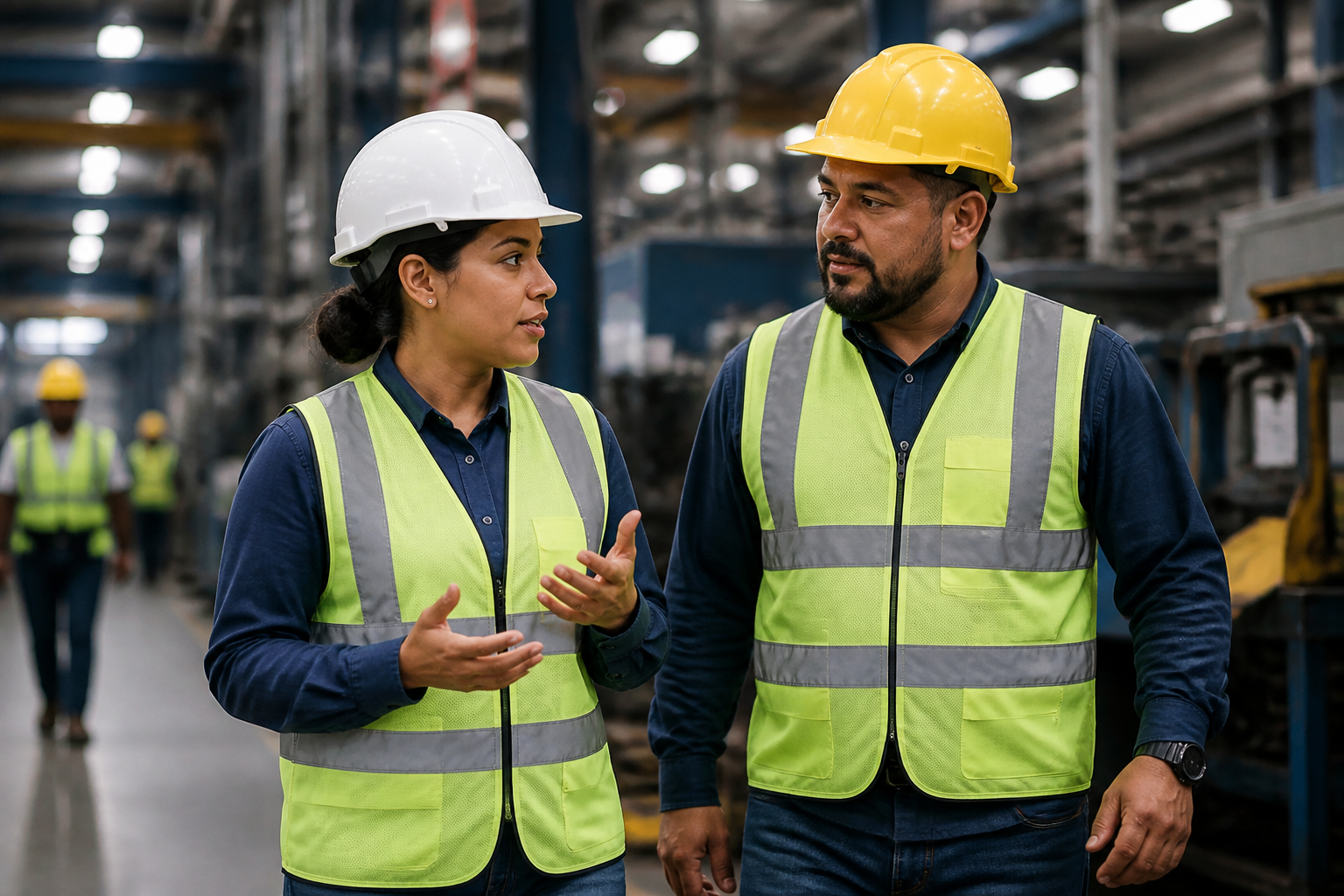
Plant managers and HR directors often ask straightforward financial questions when evaluating workplace ESOL or Spanish instruction. Calculating your total on-site language training cost requires looking beyond the instructor's invoice. A realistic budget accounts for shift coverage, instruction hours, customized learning materials, and administrative coordination tailored to your manufacturing facility.
Without a structured budget framework, companies either overpay for generic consumer software that frontline workers never use or underestimate the logistics of pulling operators off line for instruction. Here is how to build an accurate, line-item budget for on-site language training that delivers measurable operational value.
Key Line Items in Your Language Training Budget
When reviewing proposals from training providers, break down the pricing model into explicit operational line items. A comprehensive budget should separate fixed startup fees from recurring instructional costs.
Instructor Delivery Hours
Direct instruction is the core component of your program fee. On-site instruction is typically billed at an hourly rate or as a fixed package per cohort module (e.g., a 12-week or 16-week program). Expect rates to reflect specialized instructors who understand industrial environments and adult learning methodologies rather than general conversational tutors.
Industrial Curriculum Customization
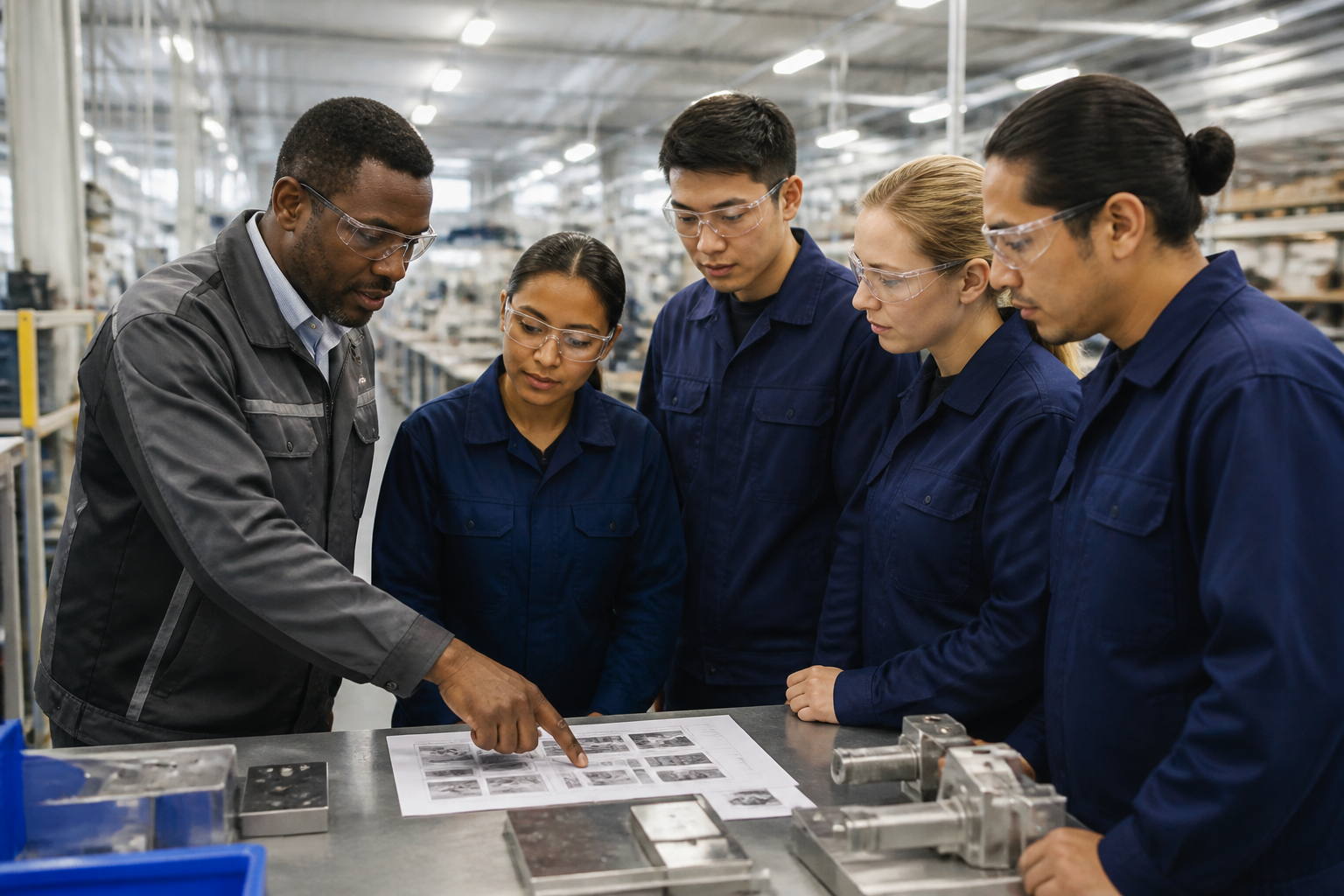
Generic language programs fail on the plant floor because they teach conversational phrases like ordering food at a restaurant rather than equipment lockout procedures, quality defects, or shift handoffs. Budget for an initial curriculum adaptation fee. This covers the provider's time to tour your facility, review your standard operating procedures (SOPs), audit your safety protocols, and build job-specific glossaries.
Assessment and Placement Testing
Before classes begin, workers must be assessed to group them by proficiency level. Effective programs conduct oral and written evaluations to ensure beginner and intermediate speakers are not lumped into the same shift cohort. Ensure your budget accounts for pre-program diagnostic testing and post-program evaluations.
Factoring Wages and Off-Line Shift Coverage
Direct vendor invoices represent only part of your investment. When evaluating the true on-site language training cost, wage coverage often represents 30% to 50% of the overall financial commitment.
Paid Training Time
Under the Fair Labor Standards Act (FLSA), attendance at employer-mandated training directly related to an employee's job must be counted as paid working hours. Even for voluntary programs, paid training yields significantly higher attendance, retention, and supervisor buy-in.
- On-Shift Instruction: Workers attend classes during their regular shift hours, retaining their base hourly wage.
- Overtime/Bridge Hours: Classes take place 45 minutes before or after a shift, requiring overtime pay or adjusted shift differentials.
Shift Coverage and Backfill
If 10 assembly line operators leave the floor for two hours per week, your production schedule must account for that output drop or cover the gap with swing operators. Factor in the cost of cross-trained relief workers who cover critical machines during class hours to prevent line slowdowns.
Comparing Pricing Models: Group Rates vs. Per-Worker Fees
Understanding how vendor fee structures impact your total on-site language training cost helps you select the right model for your plant size and headcount.
Fixed Cohort Pricing
Many specialized industrial providers charge a flat rate per cohort (typically 8 to 12 workers). This structure is ideal for manufacturers because the cost per worker decreases as class fill rates optimize. It also incentivizes HR and shift supervisors to maintain consistent attendance.
Per-Participant Tuition Models
Some generic educational institutions charge per employee enrolled. While this can seem cost-effective for small runs of 2 or 3 workers, it scales poorly for large production facilities and rarely includes plant-specific customization.
Hidden Expenses That Inflate Training Budgets
To prevent budget overruns during program execution, watch out for these common hidden line items:
- Unused Software Licensing: Purchasing app subscriptions for plant floor workers without dedicated in-person instruction often leads to single-digit completion rates. Avoid paying for individual software seats that lack accountability.
- Administrative Tracking: Managing attendance, shift swaps, and progress reporting requires administrative oversight. Choose a provider that handles participant tracking and provides weekly reports to HR directly.
- Shift Differential Surges: If training runs past regular shift hours into night shifts, factor in shift differential pay for participating workers.
Offset Costs with State Workforce Grants
Many state government agencies offer workforce development grants specifically designed to upskill frontline manufacturing employees. These funds can dramatically lower your effective on-site language training cost.
Incumbent Worker Training (IWT) Grants
Administered through state departments of labor or local Workforce Development Boards, IWT grants reimburse employers up to 50% to 75% of qualified training costs for existing employees. Language instruction that improves safety compliance and operational quality frequently qualifies for these awards.
Customized Industry Retraining Funds
State manufacturing extension partnerships (MEPs) and regional economic development councils often maintain dedicated pools of grant funding to support local industrial retention. Partnering with an experienced workplace language provider simplifies the grant application process, as they can provide the structured syllabus and metrics required by state auditors.
Build a Pragmatic Language Budget for Your Plant
A realistic language training budget balances direct instructor costs, worker wages, and customized site materials against the financial benefits of reduced scrap rates, fewer safety incidents, and stronger employee retention.
Contact New Heights Languages to [book a free consultation](/contact). We will evaluate your facility's operational goals, review shift schedules, and help you build a tailored workplace language training budget.
<!-- featured image alt: A plant manager and HR coordinator reviewing a training budget spreadsheet on a clipboard inside a manufacturing plant. -->