Reducing Workplace Accidents Through Communication
By New Heights Languages ·
The Hidden Cost of Miscommunication in Manufacturing

The Hidden Cost of Miscommunication in Manufacturing
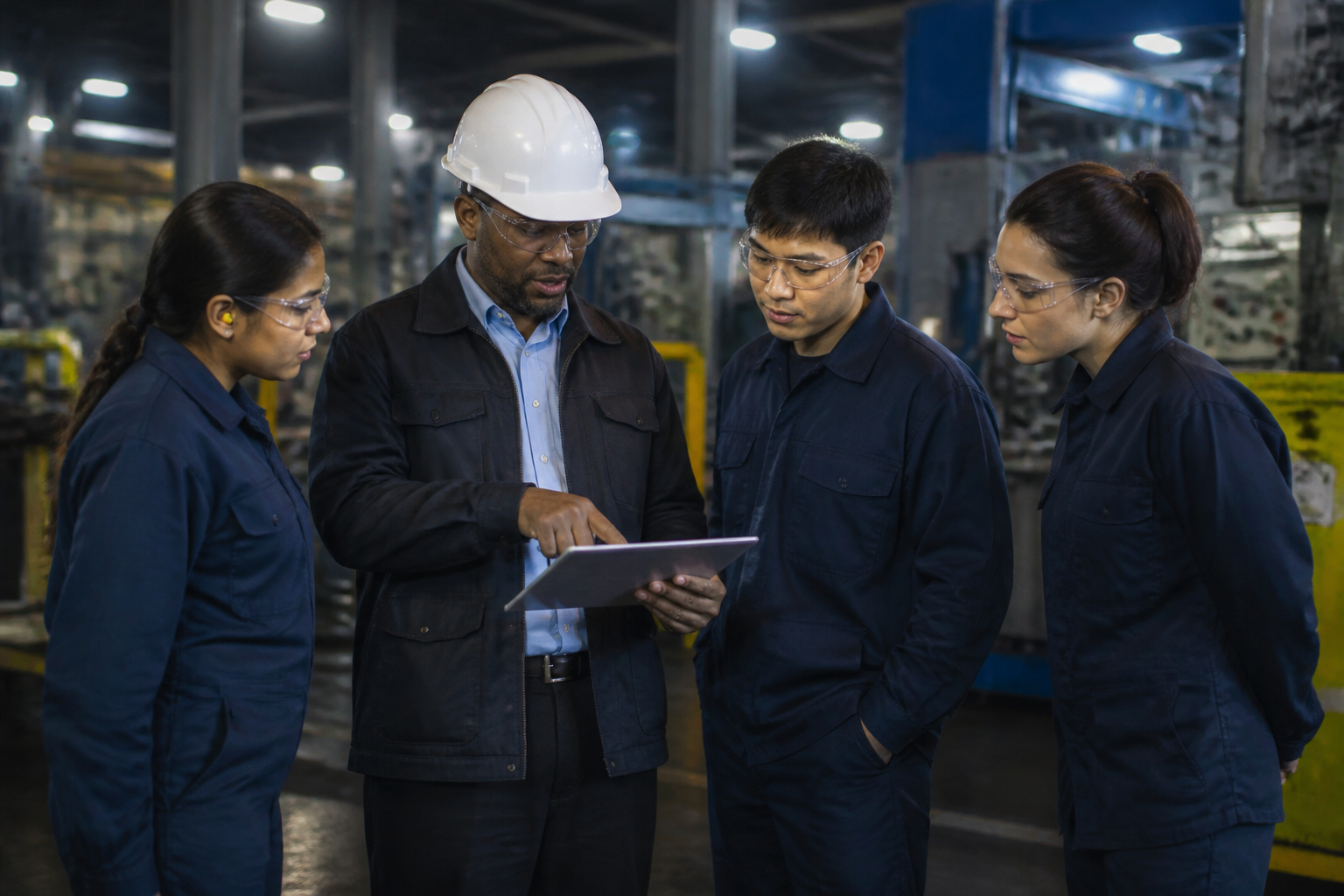
Every year, preventable incidents disrupt production lines across industrial centers like Athens, Georgia, costing teams valuable time, resources, and safety. Behind many of these incidents isn’t faulty equipment or inadequate training—but breakdowns in communication. In fast-paced manufacturing environments, where precision and timing are critical, even small misunderstandings can cascade into serious accidents or operational delays.
Clear, consistent communication is the backbone of workplace safety. From shift handoffs and equipment operation to emergency response and maintenance logs, every interaction carries risk if messages are unclear or lost in translation. This is especially true in multilingual workplaces, where varying levels of language proficiency can create gaps in understanding critical procedures.
Establish Clear Verbal & Non-Verbal Protocols on the Production Floor
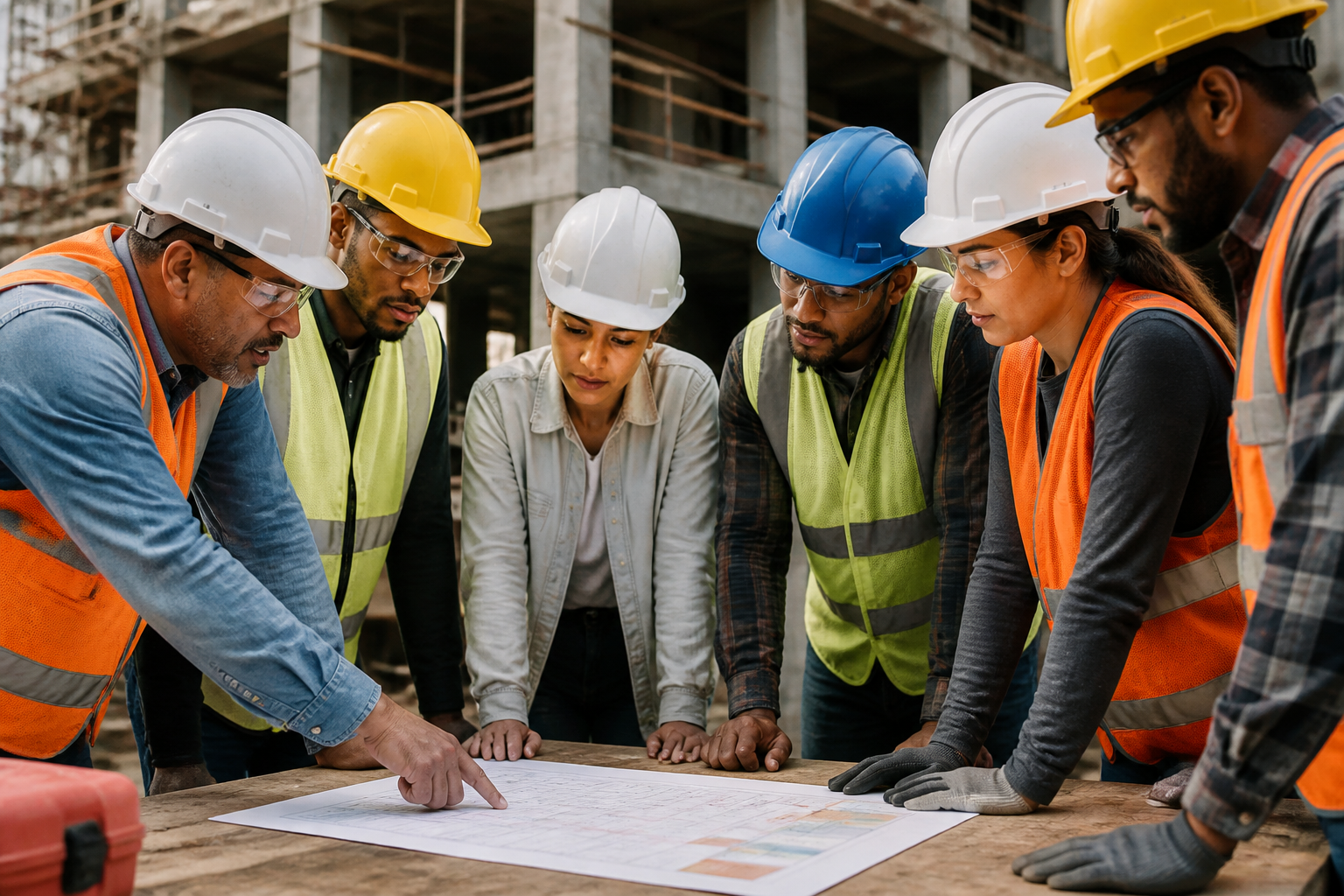
Improving communication to reduce workplace accidents starts with implementing structured, repeatable practices for both spoken and visual exchanges. Follow these steps to strengthen clarity and safety across shifts and teams in manufacturing workplaces across Georgia and beyond.
- Standardize Safety-Critical Language
Use plain, consistent phrases for high-risk tasks—such as “Lockout in progress” —so all workers, including ESL speakers, can quickly understand warnings. Avoid slang or regional terms that may cause confusion.
- Implement Hand Signals for High-Noise Areas
Identify common machine operations and develop a set of universal hand signals for start, stop, slow, and emergency halt. Train all floor staff and reinforce during onboarding and safety huddles.
- Adopt Color-Coded Status Boards
Place visual boards at key stations using red (stop/down), yellow (caution), and green (go/operational) indicators. Update them during shift changes to communicate equipment status without verbal handoffs.
- Conduct Daily 5-Minute Pre-Shift Briefings
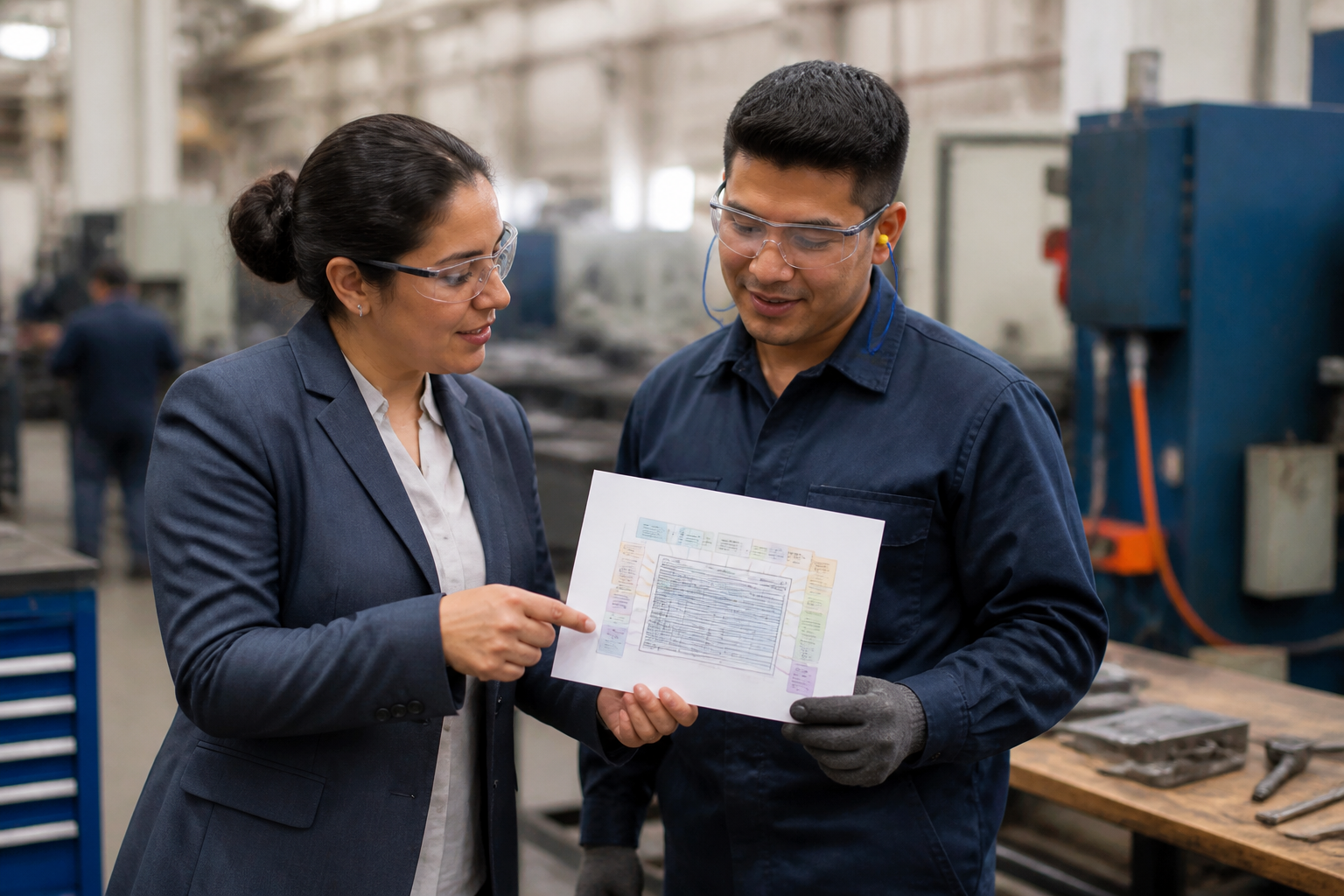
Incorporate verbal check-ins with visual aids—like photos of proper PPE or correct tool placement—to reinforce expectations. Encourage workers to confirm understanding by repeating instructions in their own words.
- Audit Communication Weekly
Observe shift transitions and maintenance handovers. Identify breakdowns and adjust signals, language, or visuals accordingly—continuous improvement drives lasting safety gains.
Stronger Communication, Safer Workplaces: Your Path Forward
Clear, consistent communication isn’t just a nice-to-have—it’s a frontline defense against workplace accidents. When teams across manufacturing plants in Georgia and similar industrial regions share a common understanding of safety protocols, equipment operations, and emergency
Improved communication also strengthens workplace trust and engagement. Employees who feel heard and understood are more likely to report near-misses, ask clarifying questions, and intervene when they see unsafe behavior. This proactive mindset transforms safety from a checklist into a shared value.
Investing in communication clarity doesn’t just reduce incidents—it elevates overall operational performance and team cohesion. Start building a safer, more connected workplace today.
Book your FREE Consultation Now via https://cal.com/newheightslanguages!
Visit New Heights Languages, LLC to see how you can increase retention, production, and safety while reducing language barriers for your team.