ROI of ESL Classes for Manufacturing
By New Heights Languages ·
The ROI of ESL Classes for Manufacturing Companies
The ROI of ESL Classes for Manufacturing Companies
In today's globalized manufacturing landscape, diverse workforces bring valuable skills and perspectives to factory floors across Athens, Georgia and beyond. However, language barriers can hinder productivity, compromise safety, and increase turnover—costs that many companies overlook. Implementing targeted English as a Second Language (ESL) programs is no longer just an employee benefit; it's a strategic investment with measurable returns.
The Hidden Costs of Poor Communication
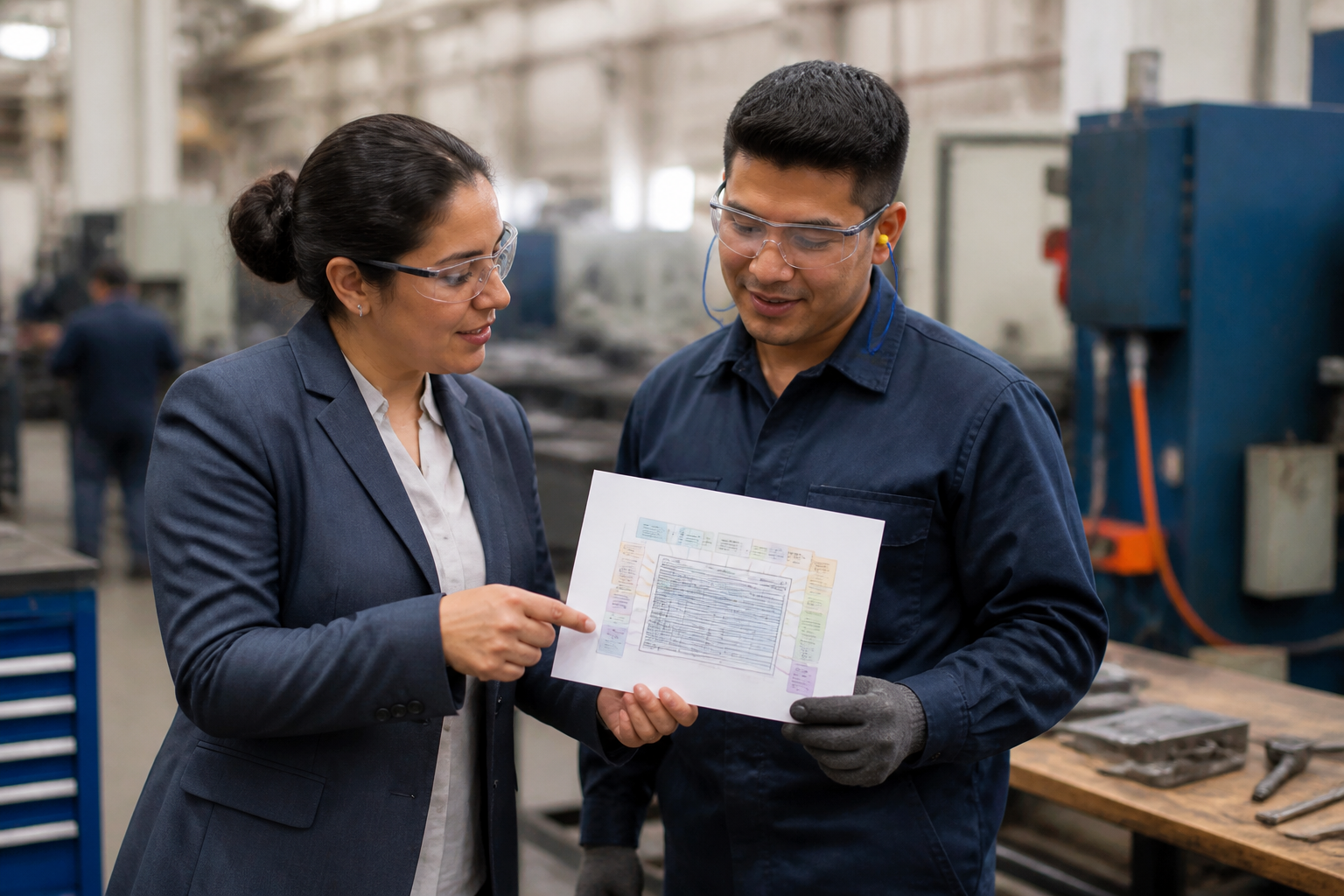
Manufacturing environments rely on precision, timing, and clear communication to operate efficiently. When team members don't understand safety protocols or shift handovers, the consequences can be costly. Miscommunication leads to avoidable accidents, production errors, rework, and downtime. Beyond safety, language gaps contribute to employee disengagement—especially among non-native English speakers who may feel isolated or misunderstood. This often results in higher turnover rates, forcing companies to repeatedly recruit and train new hires.
Improving Retention Through Training
One of the most significant returns on ESL investment is improved employee retention. Workers who receive language support feel more valued, understood, and integrated into the team. When employees can confidently communicate with supervisors and co-workers, their job satisfaction increases. Reduced turnover means lower recruitment costs, less time spent onboarding, and a more experienced, stable workforce.
Boosting Productivity and Safety Compliance
Clear communication directly impacts output and safety.This leads to fewer mistakes, reduced material waste, and faster response times during emergencies. Companies that implement ESL training often report fewer incident reports and higher compliance with safety protocols like lockout/tagout and hazard communication.
Long-Term Financial Benefits
While the upfront cost of ESL programs may seem like an expense, the long-term financial benefits far outweigh it. Reduced accident rates lower insurance premiums and workers' compensation claims. Increased productivity improves throughput and reduces overtime costs. And with better retention, companies save on hiring and training expenses—often recouping the investment in ESL training within the first year.
Frequently Asked Questions
How long does it take to see results from ESL training?
Many companies observe improvements in communication and engagement within the first few weeks. Measurable gains in retention and safety are typically seen within 6–12 months.
Do employees need to have prior English knowledge?
No. Programs can be designed for beginner, intermediate, ensuring all employees benefit.
Is ESL training only for new hires?
No. Ongoing training supports continuous improvement
Final Thoughts
Investing in ESL classes is not just about language—it's about building a safer and more efficient work environment. For manufacturing companies in Athens, Georgia and nationwide, language training delivers measurable ROI through improved retention, enhanced safety, and increased productivity.
Book your FREE Consultation Now via https://cal.com/newheightslanguages! Visit New Heights Languages, LLC to see how you can increase retention, production, and safety while reducing language barriers for your team.