Spanish Training HR Teams: Direct Worker Support
By New Heights Languages ·
Equip HR personnel with functional Spanish skills for onboarding, benefits, and employee relations to improve retention in bilingual facilities.
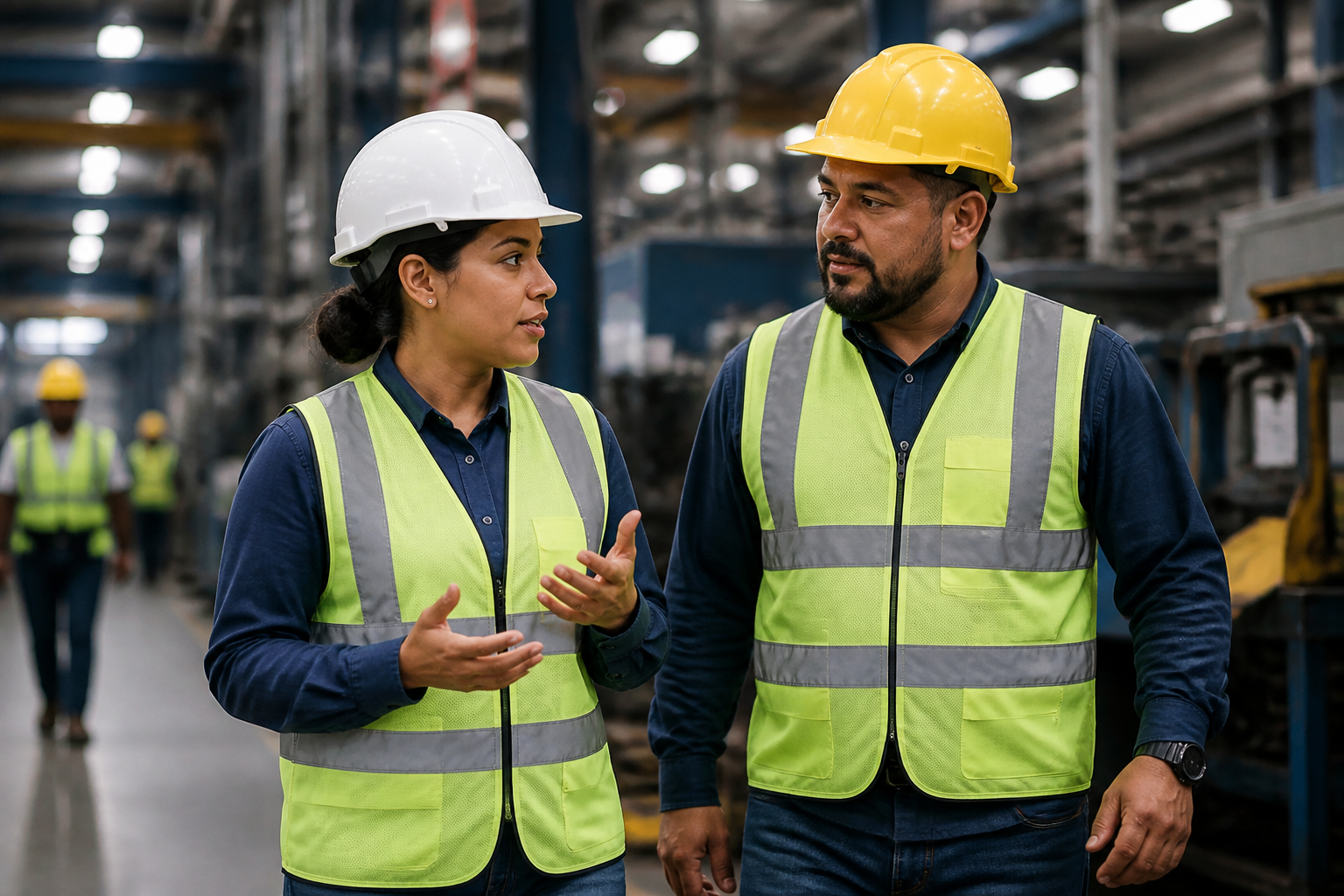
In high-volume manufacturing plants and active construction jobsites, human resources professionals face a persistent communication barrier. While a significant portion of the production workforce may speak Spanish as their primary language, HR generalists and recruiters often rely on hand gestures, automated translation tools, or third-party floor interpreters to explain complex operational topics. Investing in specialized spanish training hr teams bridges this critical gap, allowing HR personnel to communicate directly, build trust, and streamline core administrative operations.
When HR teams rely solely on translated paperwork or quick digital translations, vital context gets lost. Important details surrounding health benefits, safety compliance, leave policies, and payroll deductions require precision and empathy. Equipping your HR department with practical, job-specific Spanish changes the dynamic from transactional processing to genuine workplace support.
Why Generic Spanish Apps Fail HR Professionals
Generic language learning applications teach vocabulary for vacation travel, ordering food, or discussing leisure activities. They do not prepare an HR generalist to walk a worker through open enrollment, clarify direct deposit issues, or document a workplace injury accurately.
HR Vocabulary Requires Functional Precision
Human resources terminology includes specific workplace concepts like deductibles, beneficiaries, overtime policies, and workers' compensation. Generic vocabulary tools leave HR personnel unprepared for the actual inquiries employees bring to the office.
Privacy and Legal Compliance Matter
When Spanish-speaking workers bring sensitive personal matters to HR—such as family medical leave, wage questions, or workplace grievances—using an untrained floor coworker as an impromptu interpreter creates serious privacy concerns. HR staff need direct communication skills to maintain confidentiality and protect employee data rights.
Critical HR Touchpoints for Functional Spanish
Implementing spanish training hr teams should focus on high-frequency, high-consequence HR interactions. Rather than aiming for abstract conversational fluency, training should target the specific scenarios HR handles daily.
Onboarding and New Hire Documentation
The first three days of employment establish an employee's trajectory at your facility. HR staff who can guide workers through initial paperwork in clear, encouraging Spanish reduce onboarding delays and reduce anxiety for new hires.
Key touchpoints during onboarding include:
- Verifying identification and tax documentation.
- Explaining plant dress codes, personal protective equipment (PPE) requirements, and attendance policies.
- Reviewing shift schedules, break periods, and clock-in procedures.
- Answering initial questions about pay rates and pay frequency.
Open Enrollment and Benefits Administration
Health insurance, 401(k) matching, and voluntary benefits are major components of total compensation. However, non-English-speaking employees often opt out of valuable benefits simply because they do not understand the enrollment options. HR personnel trained in conversational benefits Spanish can guide workers through copays, deductibles, and family coverage options.
Incident Reporting and Leave Requests
When a worker suffers an injury or needs time off for a medical emergency, clear communication is critical. HR generalists must be able to gather initial facts about an incident, explain leave policies, and guide the worker through required documentation without language delays.
Overcoming Reliance on Informal Shop-Floor Interpreters
In many manufacturing facilities and construction jobsites, HR departments default to asking a bilingual supervisor or lead operator to translate during HR meetings. While well-intentioned, this practice creates operational friction and compliance risks.
Protecting Worker Confidentiality
Employees are often uncomfortable discussing medical history, financial hardship, or interpersonal disputes on the plant floor when a peer or direct supervisor is translating. Direct communication between HR and the employee ensures privacy and fosters psychological safety.
Keeping Supervisors on the Floor
Pulling bilingual leads off the production line to translate administrative meetings creates unnecessary downtime and pulls key personnel away from critical operational tasks. Customized spanish training hr teams equips administrative staff to handle routine employee relations directly, keeping floor leaders focused on production goals.
Structuring Spanish Training for HR Workflows
To maximize return on investment, language training for administrative personnel must fit into tight office schedules and focus on real-world practical application.
Focus on Scenario-Based Roleplay
Effective HR language programs mirror real office scenarios. HR personnel should practice conducting mock onboarding sessions, explaining pay stubs, and handling call-out protocols in Spanish. This builds practical muscle memory and confidence faster than traditional grammar drills.
Build Custom Phrasebooks and Visual Guides
Combine live instruction with personalized reference materials. HR teams benefit immensely from customized phrasebooks that map directly to your company's specific handbook policies, benefit plans, and facility terminology.
Maintain Consistent, Micro-Learning Sessions
HR professionals manage unpredictable workloads. Short, focused instruction sessions held twice a week yield better retention and higher participation rates than long, infrequent lectures.
Build Direct Connections with Your Multilingual Workforce
When HR teams speak the language of their workforce, the culture of the entire organization shifts. Employees feel valued, administrative errors decrease, and retention rates improve across production shifts. Implementing dedicated spanish training hr teams is an investment in operational stability, safety compliance, and employee satisfaction.
Ready to equip your HR leaders, recruiters, and safety officers with practical workplace Spanish? Contact New Heights Languages today to [book a free consultation](/contact) and learn how our customized, industry-specific language programs support your bilingual workforce.
<!-- featured image alt: An HR manager conducting an onboarding session with a Spanish-speaking manufacturing worker in a plant conference room. -->