Value of English & Spanish Classes in Manufacturing
By New Heights Languages ·
Breaking the Communication Barrier in Manufacturing
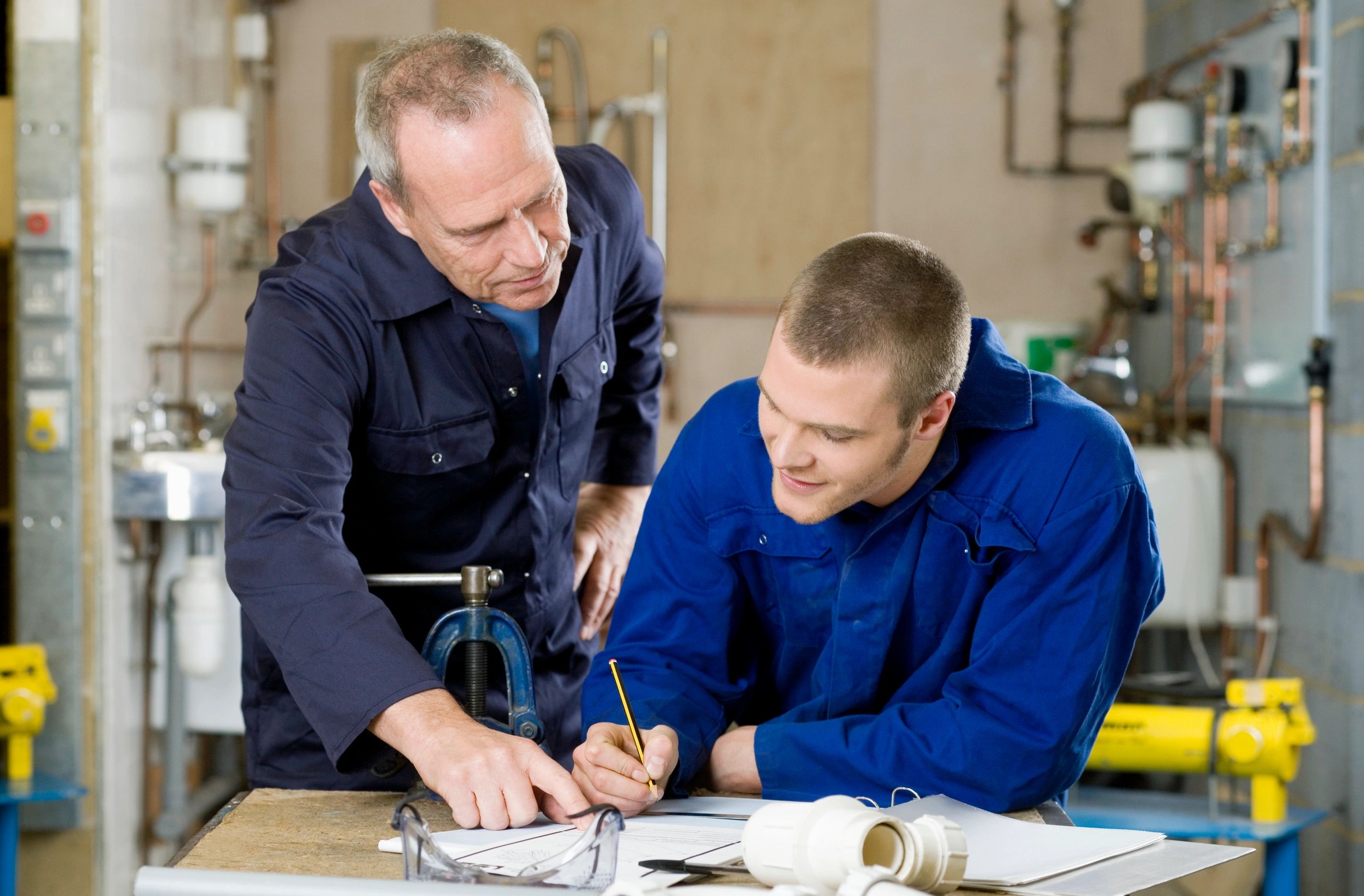
Breaking the Communication Barrier in Manufacturing
In today’s fast-evolving manufacturing landscape, effective communication isn’t just a convenience—it’s a cornerstone of safety, efficiency, and inclusion. With multilingual workforces becoming the norm—especially in industrial hubs across Georgia—companies that invest in English and Spanish language training are seeing measurable improvements in team cohesion, compliance, and on-time production. Clear communication reduces costly misunderstandings, ensures workers fully grasp operating procedures, and keeps safety protocols top of mind on every shift.
Employees who feel understood are more engaged, more likely to report hazards, and better equipped to collaborate across teams. For plant managers, fostering bilingual competencies means fewer bottlenecks during changeovers, clearer incident reporting, and smoother cross-departmental coordination. Whether you’re operating in Athens or other manufacturing-heavy regions, integrating language development into employee training programs supports both operational excellence and workplace culture.
This section dives into how structured language instruction promotes safer environments, reduces downtime, and empowers a diverse workforce—setting the stage for what you’ll learn throughout this guide: practical ways to implement training that delivers real-world results.
5 Key Benefits of Bilingual Training in Manufacturing
Introducing structured English and Spanish classes in manufacturing environments delivers measurable improvements across operations. These programs go beyond language acquisition— they directly impact safety, efficiency, and workforce cohesion. Here are the top five advantages:
- Enhanced Workplace Safety
Clear communication is critical when operating heavy machinery or handling hazardous materials. Bilingual training ensures all team members fully understand safety protocols, emergency procedures, and equipment warnings. When employees comprehend instructions in both English and Spanish, the risk of miscommunication drops significantly, reducing workplace incidents.
- Boosted Operational Productivity
Employees who understand both languages can respond faster to production changes, ask clarifying questions, and collaborate across shifts. This fluency minimizes downtime caused by misunderstandings and streamlines cross-functional teamwork, especially in fast-paced environments like those found in Athens, Georgia.
- Stronger Employee Morale and Inclusion
Investing in language skills shows employees they are valued. Workers gain confidence, feel more included in team discussions, and develop stronger peer relationships. This sense of belonging leads to higher engagement and reduced turnover.
- Improved Supervisory Communication
Managers and team leads communicate more effectively with a multilingual workforce. Training helps bridge gaps during performance reviews, shift briefings, and on-the-spot coaching, ensuring consistent messaging across all levels.
- Greater Adaptability in Diverse Markets
As manufacturing plants expand or serve broader regions, bilingual capabilities prepare teams for evolving demands. Localized language training supports smoother integration of new hires and strengthens alignment with community and industry needs.
Strengthening Team Dynamics Through Language Proficiency
In multilingual manufacturing environments, clear communication isn’t just a convenience—it’s a necessity. When employees speak different primary languages, the risk of miscommunication rises, leading to workflow disruptions, safety concerns, and reduced team cohesion. Language training directly addresses these challenges by equipping team members with the tools to communicate effectively in real-world production settings.
Workers who receive structured English and Spanish training gain more than vocabulary—they develop the ability to interpret safety protocols, understand equipment instructions, and participate in shift handoffs with confidence. This shared language foundation minimizes costly misunderstandings and supports smoother collaboration across departments.
Manufacturing teams in regions like Athens, Georgia, benefit significantly from tailored language programs that incorporate industry-specific terminology such as lockout/tagout, quality control checks, and preventive maintenance. These targeted lessons ensure employees aren’t just learning language—they’re learning how to apply it on the plant floor.
To maximize impact, consider these actionable steps:
- Implement peer-led language practice during team huddles
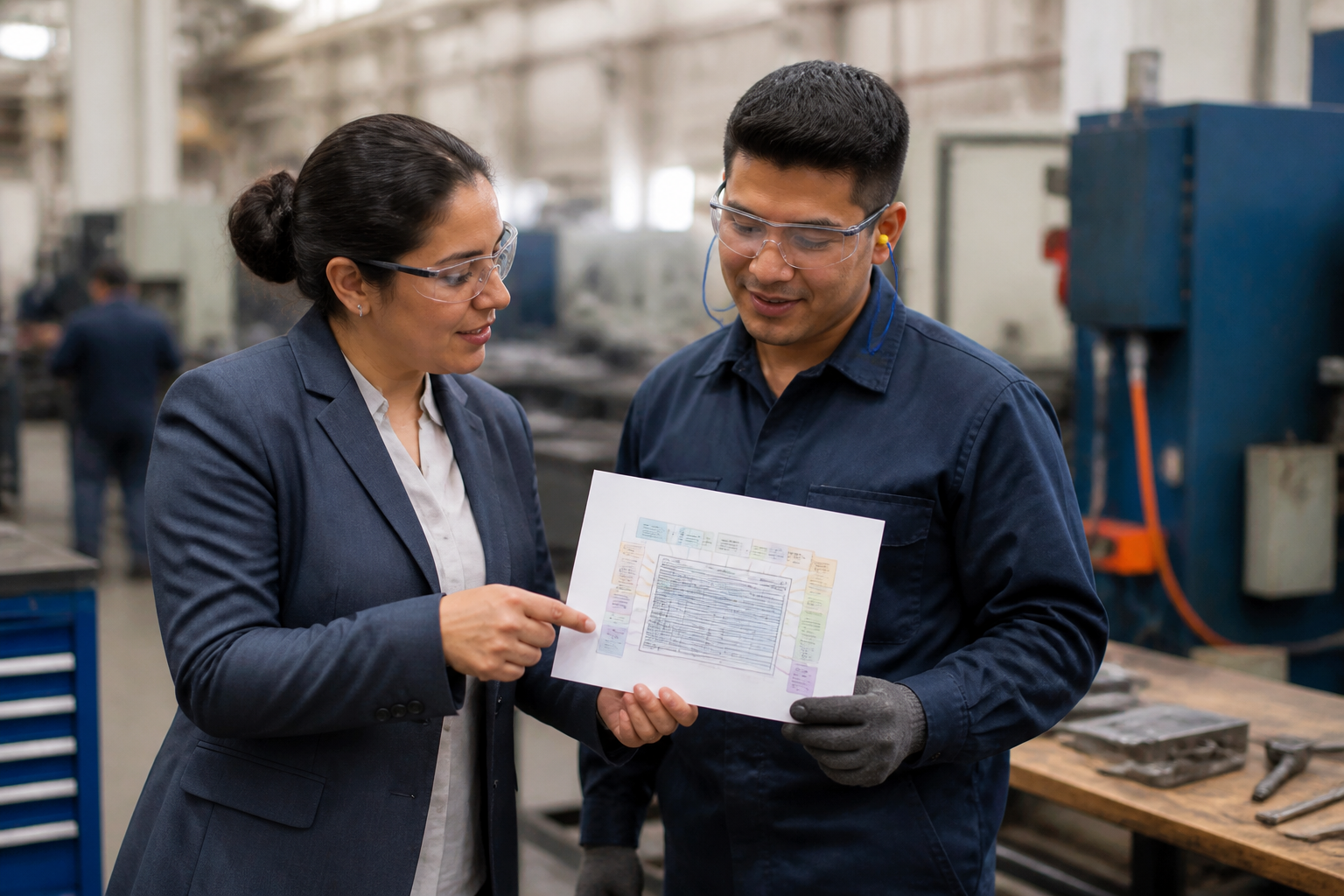
- Use visual aids paired with bilingual instructions for standard operating procedures
- Rotate bilingual employees into mentor roles to reinforce learning
When language barriers fall, trust and efficiency rise—creating a safer, more unified workplace.
Optimize Language Training for Manufacturing Workflows
Implementing effective English and Spanish classes in manufacturing environments requires a strategic, workflow-integrated approach. Follow these steps to ensure training aligns with operational demands and shift schedules:
- Assess Team Communication Gaps
Begin by identifying where language barriers impact safety, efficiency, or quality. Use anonymous surveys or supervisor feedback to pinpoint pain points—especially in multilingual teams on the shop floor.
- Anchor Lessons to Real Work Scenarios
Design curriculum around common tasks: machine operation, safety protocols, and quality checks. Use actual work documents, labels, and equipment manuals as teaching materials to increase relevance and retention.
- Adapt to Shift Schedules
Offer rotating session times to include first, second, and third shifts. Utilize short, 20-minute micro-sessions during shift changes or break times to maximize participation without disrupting production.
- Deliver Bilingual Instruction
Train instructors fluent in both English and Spanish to provide immediate clarification. This builds trust and ensures complex technical terms—like “lockout/tagout” or “tolerance levels”—are clearly understood.
- Use On-Site Learning Stations
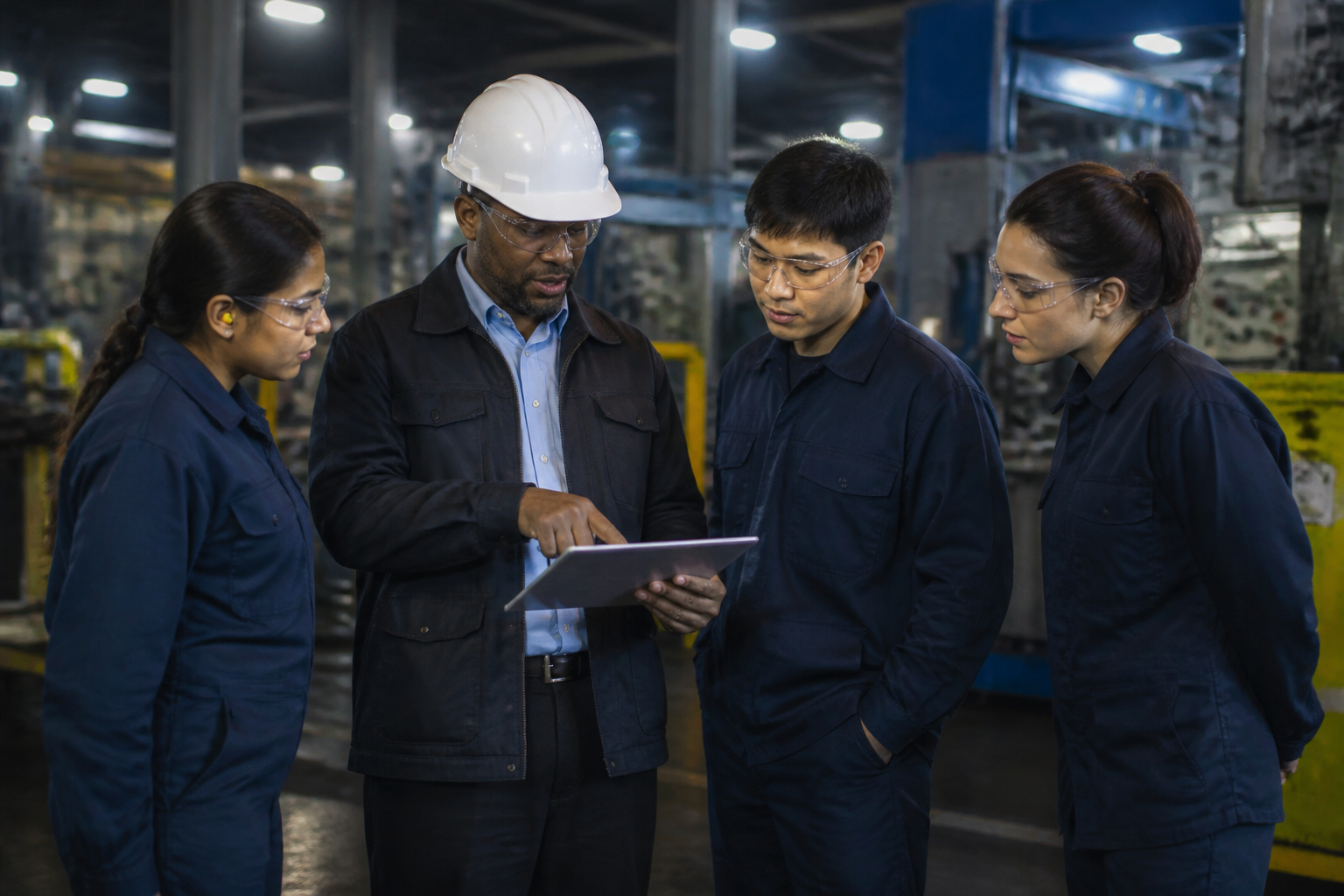
Set up tablet-based kiosks near break rooms or timeclocks where employees can access bite-sized language modules. Reinforce daily vocabulary, such as tool names or safety alerts, through repetition.
- Monitor Progress with Skill Milestones
Track improvement through practical evaluations—like explaining a work order or completing a safety checklist in the target language. Recognize achievements to encourage continued engagement.
Manufacturers in regions like Athens, Georgia can enhance cohesion and reduce errors by embedding language skills directly into daily operations.
Frequently Asked Questions About Workplace Language Training in Manufacturing
Q1: What is the return on investment (ROI) for English and Spanish training in a manufacturing setting?
A: Language training delivers measurable ROI through reduced errors, improved safety compliance, and faster onboarding. Workers who understand instructions clearly are less likely to make costly mistakes, while supervisors spend less time clarifying tasks. Over time, this leads to smoother workflows and higher output.
Q2: How can we boost employee participation in language programs?
A: Increase engagement by aligning training with real-world job tasks—like reading safety labels or completing work orders. Offering flexible scheduling, recognizing progress, and creating a supportive environment where mistakes are part of learning encourages sustained involvement.
Q3: Can language programs be customized for specific manufacturing roles?
A: Absolutely. Customization ensures workers learn relevant vocabulary and phrases—from machine operation terms to quality control checklists. Role-based lessons make training more practical and immediately applicable on the production floor.
Q4: How do we accommodate varying proficiency levels across teams?
A: Use initial assessments to group employees by skill level. Then deliver tiered instruction that meets each group where they are, ensuring no one feels overwhelmed or underchallenged.
Q5: What role does location play in shaping language training?
A: In regions like Athens, Georgia, where workforce demographics and industry needs vary, localized language training can reflect regional accents, dialects, and common job scenarios to improve comprehension and retention.
Q6: How often should training sessions occur for best results?
A: Consistency is key. Weekly 90-minute sessions with built-in review cycles allow steady progress without disrupting production schedules.
Q7: Can bilingual employees serve as language mentors?
A: Yes. Leveraging bilingual team members as peer coaches reinforces learning and strengthens team cohesion—when supported with clear guidelines and recognition.
Building a Stronger, More Resilient Workforce for the Long Haul
Investing in English and Spanish classes within manufacturing environments delivers lasting wins that extend well beyond basic communication. Over time, facilities that prioritize language development see marked improvements in employee retention, as workers feel more valued, understood, and equipped to succeed. When team members can confidently interpret safety protocols, engage in problem-solving, and participate in daily operations, efficiency naturally follows. Fewer errors, reduced downtime, and smoother shift transitions become the norm—key performance indicators in any lean manufacturing setting.
Equally important is the transformation in workplace culture. As language gaps close, so do cultural divides. Supervisors and frontline workers collaborate more effectively, fostering mutual respect and inclusivity—especially critical in diverse regions like Athens, Georgia. This cultural cohesion leads to higher morale, stronger teamwork, and a safer, more adaptive work environment.
To sustain these gains:
- Regularly assess language needs across departments
- Reinforce training with real-time, on-the-job applications
- Foster peer-led practice sessions to encourage ongoing learning
The long-term payoff? A future-ready workforce built on clarity, trust, and shared goals. By viewing language training as a continuous investment, manufacturers empower their teams to meet evolving challenges head-on—driving both human and operational performance. Start small, think long-term, and watch your culture transform from the ground up.