Why Adult Learners Need Different Language Training
By New Heights Languages ·
Why Adult Learners Need Different Language Training

Why Adult Learners Need Different Language Training
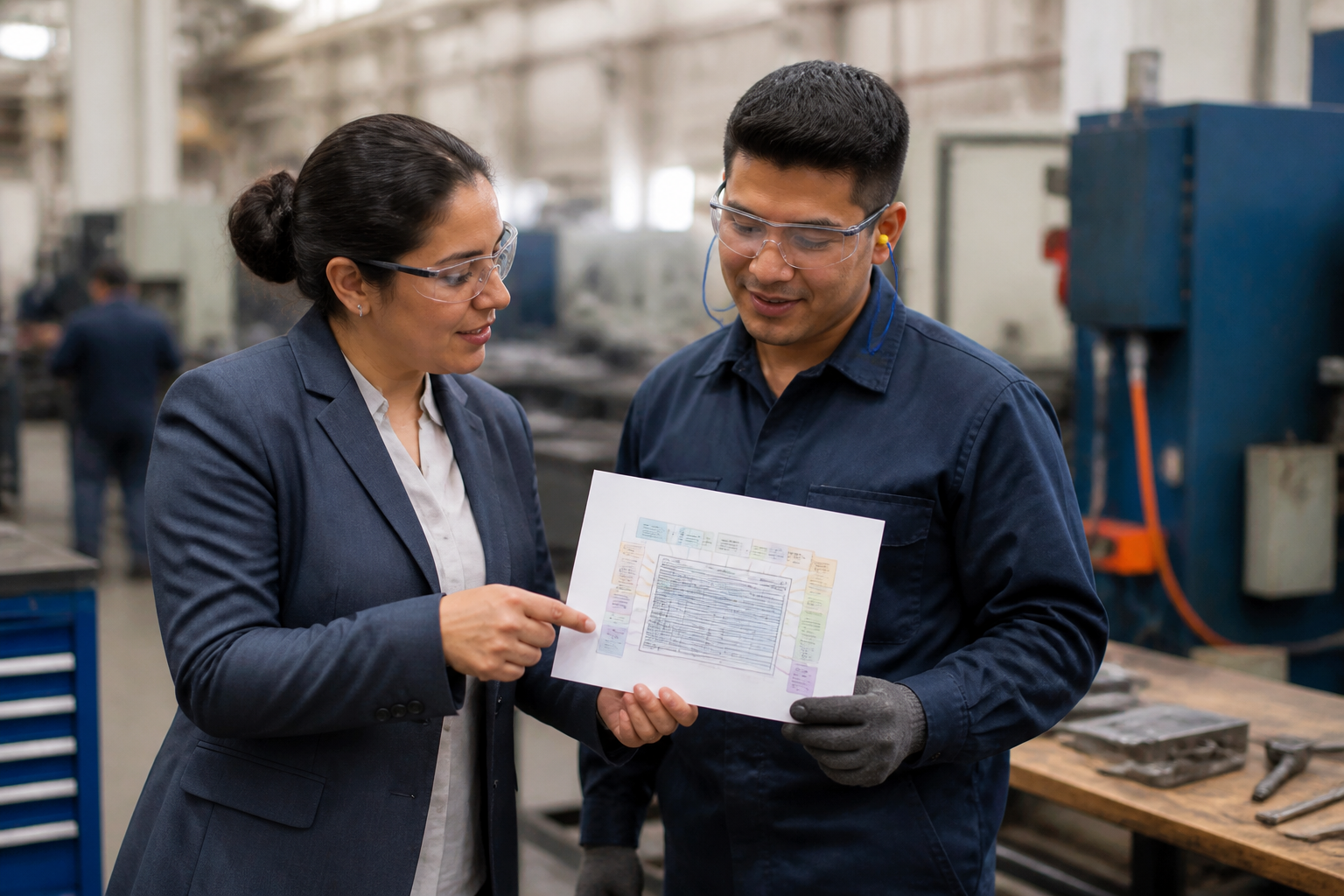
Adults in manufacturing environments face unique challenges when learning a new language. Unlike children, adults require tailored approaches that respect their cognitive patterns, work schedules, and professional goals. Traditional methods often fail because they don’t align with the realities of shift work, family responsibilities, and the need for immediate practical application.
The key is relevance. Effective language training for adults focuses on real-world communication—like understanding safety protocols, reading work orders, or reporting equipment issues. Programs that integrate industry-specific vocabulary and allow on-demand access ensure higher engagement and retention.
Adult brains rely more on explicit learning rather than natural absorption. This means clear grammar instruction paired with contextual practice accelerates progress. Mobile-friendly, bite-sized lessons enable workers in Athens, GA, and similar industrial hubs to learn during breaks or after shifts, overcoming time constraints.
Motivation thrives when learning connects to purpose—such as career advancement or workplace safety. Fear of mistakes can be reduced through low-pressure, self-paced formats that build confidence gradually.
In short, successful language programs for adults are flexible, practical, and designed for real-life impact. They turn language learning from a classroom exercise into a professional tool.
FAQ
Why can't adults use the same language learning methods as children?
Adults benefit more from structured, goal-driven instruction that builds on critical thinking and real-world use, rather than immersion alone.
How long does it take an adult to become proficient?
With consistent practice, adults can achieve functional proficiency in 6–12 months, especially when training is job-focused.
Can manufacturing workers really find time to learn?
Yes, through microlearning modules that fit into short breaks or commutes, making language development sustainable.
Is grammar important for adult learners?
Yes—while speaking practice builds confidence, grammar instruction prevents ingrained errors and improves clarity.
What makes language training effective for adults?
Relevance, flexibility, and immediate application to daily responsibilities drive success.
Book your FREE Consultation Now via https://cal.com/NewHeightsLanguages!
Visit New Heights Languages, LLC to see how you can increase retention, production, and safety while reducing language barriers for your team.