Why Clear Instructions Matter in High-Risk Environments
By New Heights Languages ·
Why Clear Instructions Matter in High-Risk Environments

Why Clear Instructions Matter in High-Risk Environments
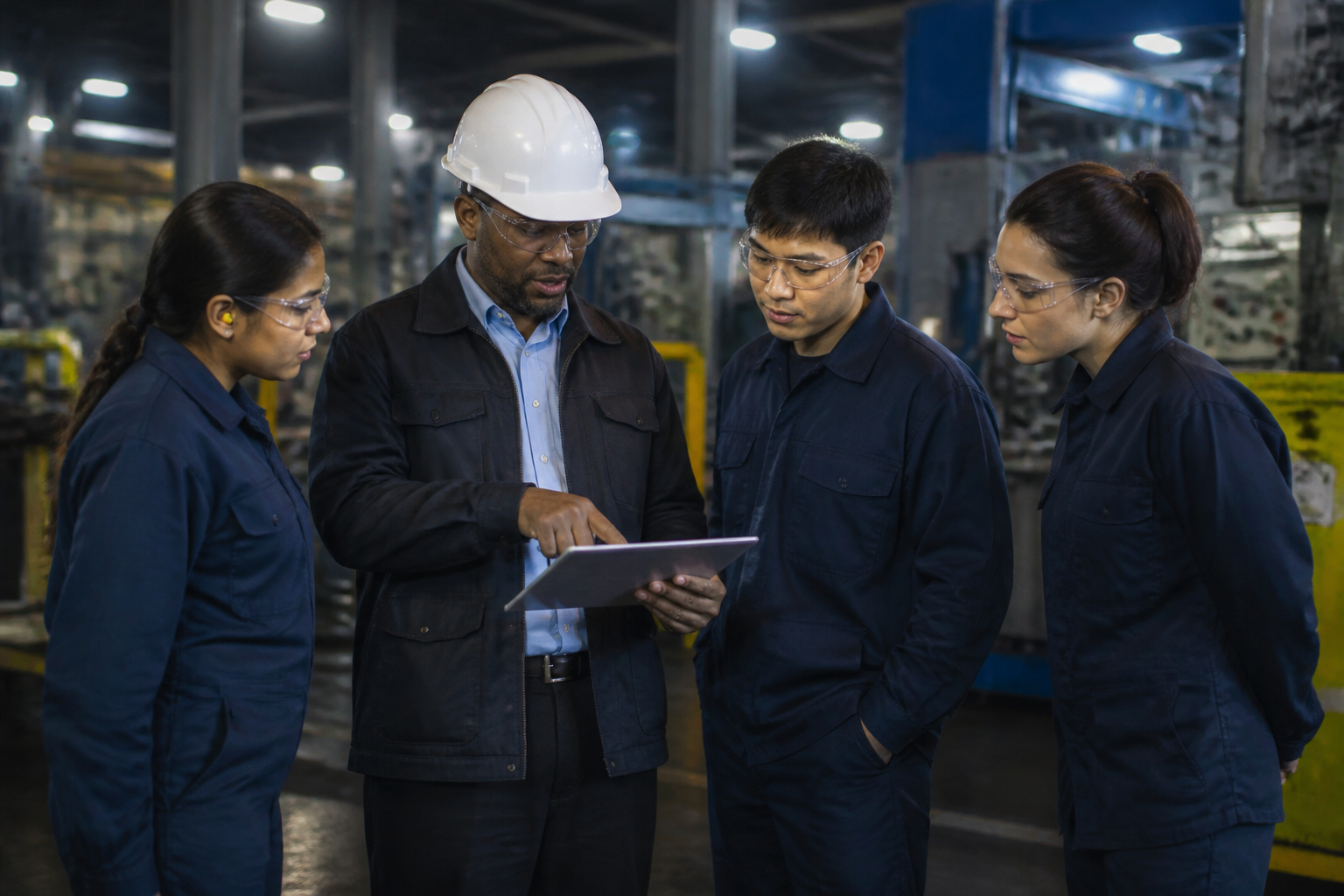
In high-risk work environments such as manufacturing plants, warehouses, construction sites, and industrial facilities, clear communication is essential for maintaining safety and operational efficiency. Employees often work around heavy machinery, hazardous materials, moving equipment, and time-sensitive production schedules. In these settings, unclear instructions can quickly lead to accidents, equipment damage, production delays, and costly mistakes.
For companies with multilingual teams, the importance of clear instructions becomes even greater. Language barriers, technical terminology, and inconsistent communication can create confusion that places both employees and operations at risk. Ensuring every worker fully understands procedures, safety expectations, and emergency protocols is critical for preventing workplace incidents.
Simple misunderstandings can have serious consequences. For example, if an employee misinterprets a lockout/tagout instruction or fails to understand an evacuation command, the result could be injury or equipment failure. Instructions such as “shut down the conveyor,” “verify machine pressure,” or “report hydraulic leaks immediately” must be communicated clearly and consistently to every team member.
Clear instructions also improve response times during emergencies. In high-pressure situations, workers must act quickly and confidently. Employees who fully understand emergency procedures are more likely to respond appropriately, helping reduce injuries and minimize operational disruption. This is especially important in environments where seconds can make a major difference in safety outcomes.
Beyond emergency situations, clear communication supports day-to-day productivity. Employees who understand expectations complete tasks more accurately, ask fewer clarifying questions, and make fewer operational errors. This leads to smoother shift transitions, improved teamwork, and stronger overall production performance.
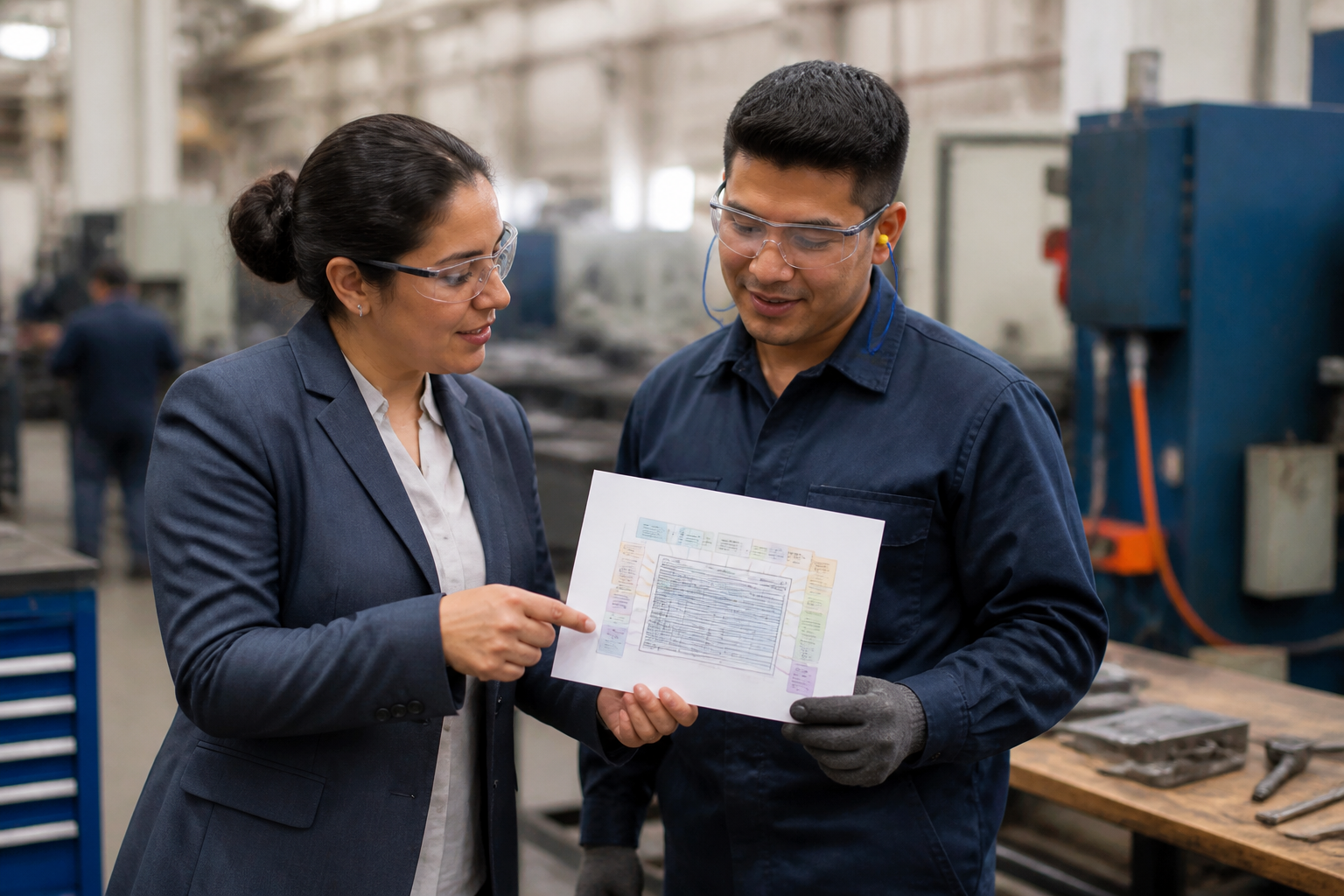
One of the most effective ways to improve communication in high-risk workplaces is through targeted workplace language training. ESL (English as a Second Language) programs designed specifically for industrial environments help employees understand basic safety terminology, equipment instructions, workplace signage, and supervisor communication. Rather than focusing only on conversational English, these programs teach practical language skills employees can immediately apply on the job.
Hands-on training methods such as role-playing, visual demonstrations, and real-world safety scenarios are particularly effective in manufacturing and industrial settings. Employees build confidence practicing common workplace interactions while learning the language needed to perform their jobs safely and efficiently.
Clear instructions also strengthen workplace culture. Employees who feel confident communicating are more likely to report hazards, ask questions, and participate in safety discussions. This creates a more proactive and collaborative work environment where everyone shares responsibility for safety and performance.
In today’s industrial workforce, communication is not just a soft skill—it is a safety tool. Companies that prioritize clear instructions and workplace language training reduce risk, improve productivity, and create stronger, safer teams.
Book your FREE Consultation Now via https://cal.com/newheightslanguages.
Visit New Heights Languages, LLC to see how you can increase retention, production, and safety while reducing language barriers for your team.