
Why Supervisors Should Learn Spanish (Even Unfluent)
By New Heights Languages ·
Why Supervisors Should Learn Spanish (Even Unfluent)
Why Supervisors Should Learn Spanish (Even Unfluent)
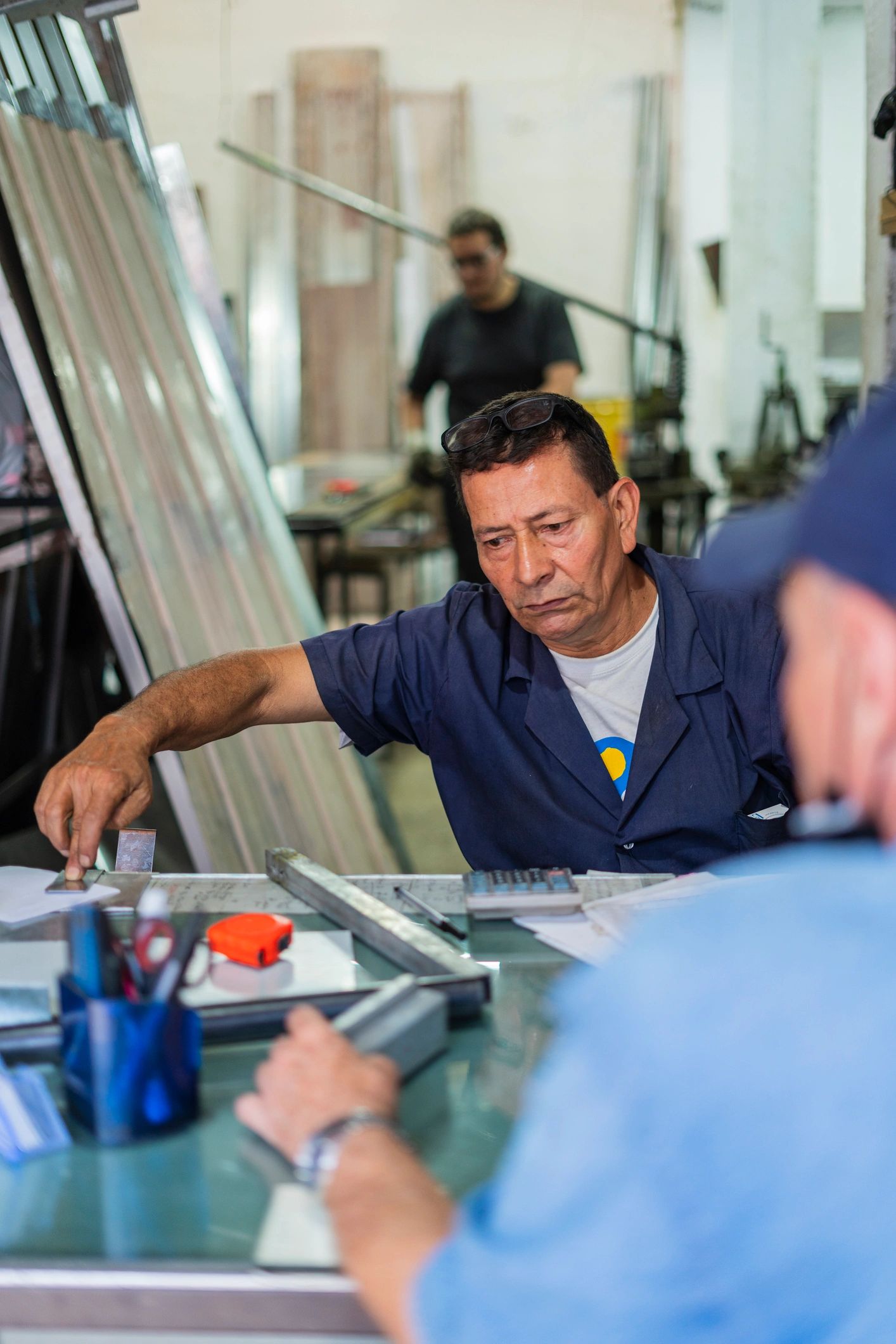
In today’s manufacturing environments, effective communication is critical for safety and efficiency. With Spanish being the primary language for a significant portion of frontline workers, supervisors who learn basic Spanish help prevent misunderstandings that can lead to accidents or downtime. Fluency isn’t required—just foundational skills that improve clarity and trust on the floor.
1. Strengthen Safety Communication
Supervisors who speak basic Spanish can deliver critical safety instructions—like lockout-tagout procedures or emergency steps—directly to workers. This reduces reliance on informal translation and ensures messages aren’t lost. Phrases like "¿Está todo seguro?" (Is everything safe?) or "Detén la máquina si hay un problema" (Stop the machine if there’s a problem) reinforce a proactive safety culture.
2. Build Trust Across Teams
When supervisors make an effort to speak Spanish, it signals respect and inclusion. Employees feel valued when communicated with in their native language, leading to stronger cohesion and greater willingness to report concerns or ask questions.
3. Reduce Operational Errors
Miscommunication causes costly mistakes—from misread work orders to incorrect setups. Basic Spanish allows supervisors to confirm understanding in real time, reducing rework and downtime. A simple "¿Entendido?" (Understood?) ensures alignment before work begins.
4. Enhance Leadership Presence
Supervisors who communicate in both English and Spanish build rapport and authority. They’re seen as more approachable and invested, improving conflict resolution and team morale on multilingual job sites.
5. Boost Employee Confidence
Workers perform better when they feel heard. Supervisors with Spanish skills reduce anxiety among non-English-dominant employees, increasing engagement, retention, and overall team performance.
Start Small: Practical Integration Tips
Learning Spanish doesn’t require hours of study. Begin with:
- Labeling equipment in both languages (e.g., "Apagado" for Off)
- 5-minute phrase reviews daily
- Using one Spanish phrase per safety check-in
- Listening to voice notes of common directives
Consistent, small efforts build real-world competence. At New Heights Languages, we specialize in practical language training for manufacturing teams—empowering supervisors to lead safer, more connected, and efficient workplaces.
Book your FREE Consultation Now via https://cal.com/newheightslanguages!
Visit New Heights Languages, LLC to see how you can increase retention, production, and safety while reducing language barriers for your team.