When Companies Ignore Language Barriers
By New Heights Languages ·
The Hidden Cost of Miscommunication: How Language Gaps Undermine Workplace Culture

The Hidden Cost of Miscommunication: How Language Gaps Undermine Workplace Culture
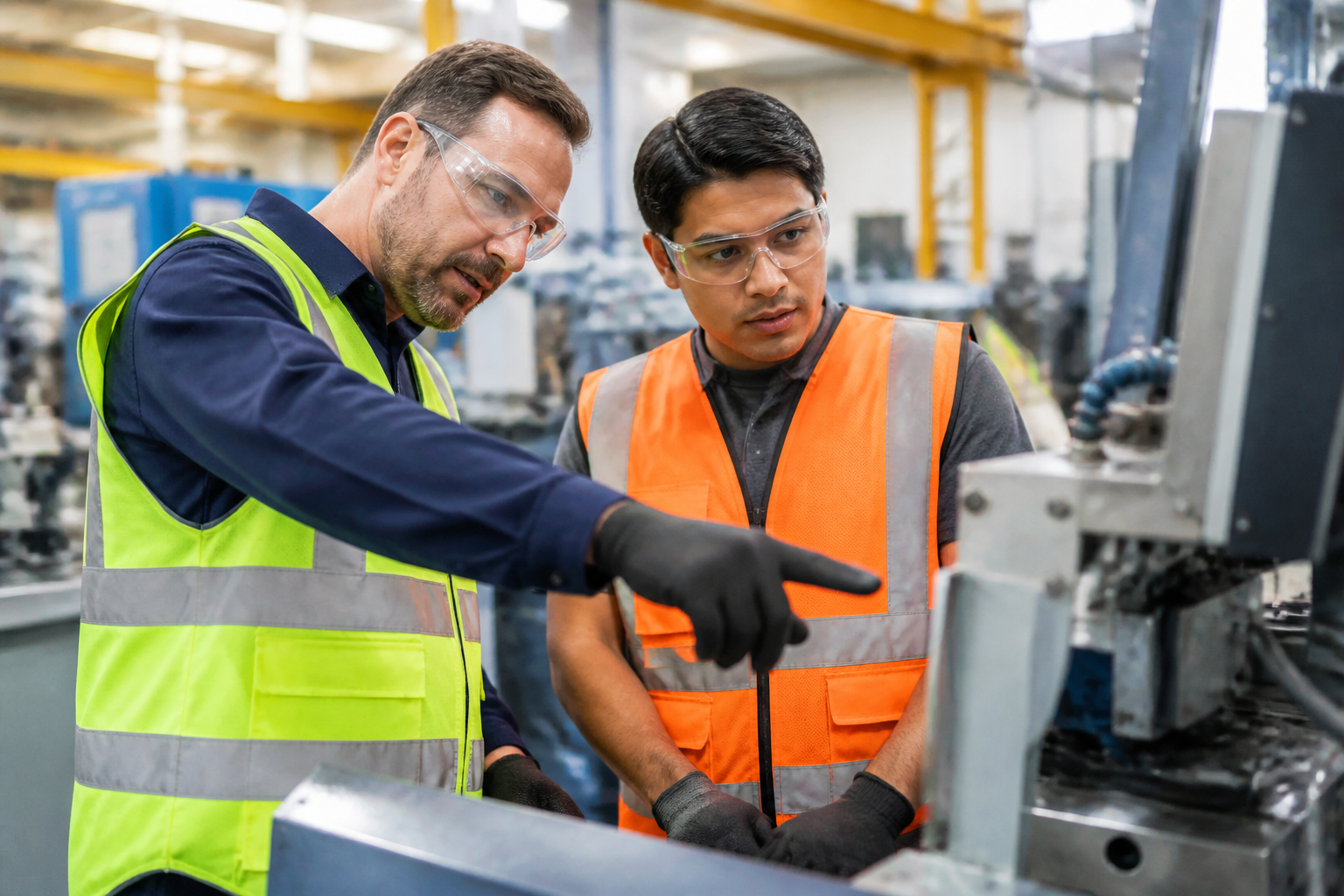
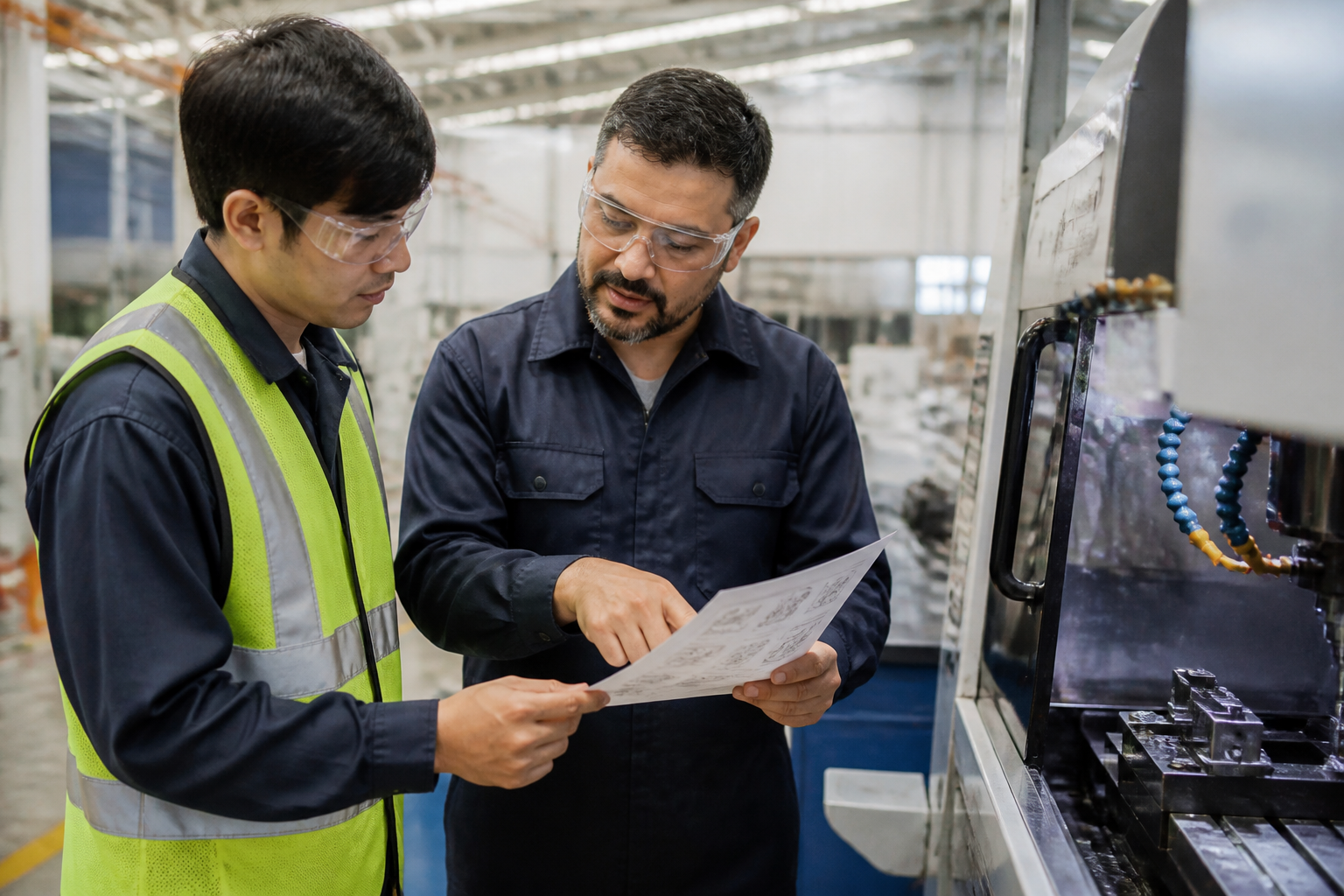
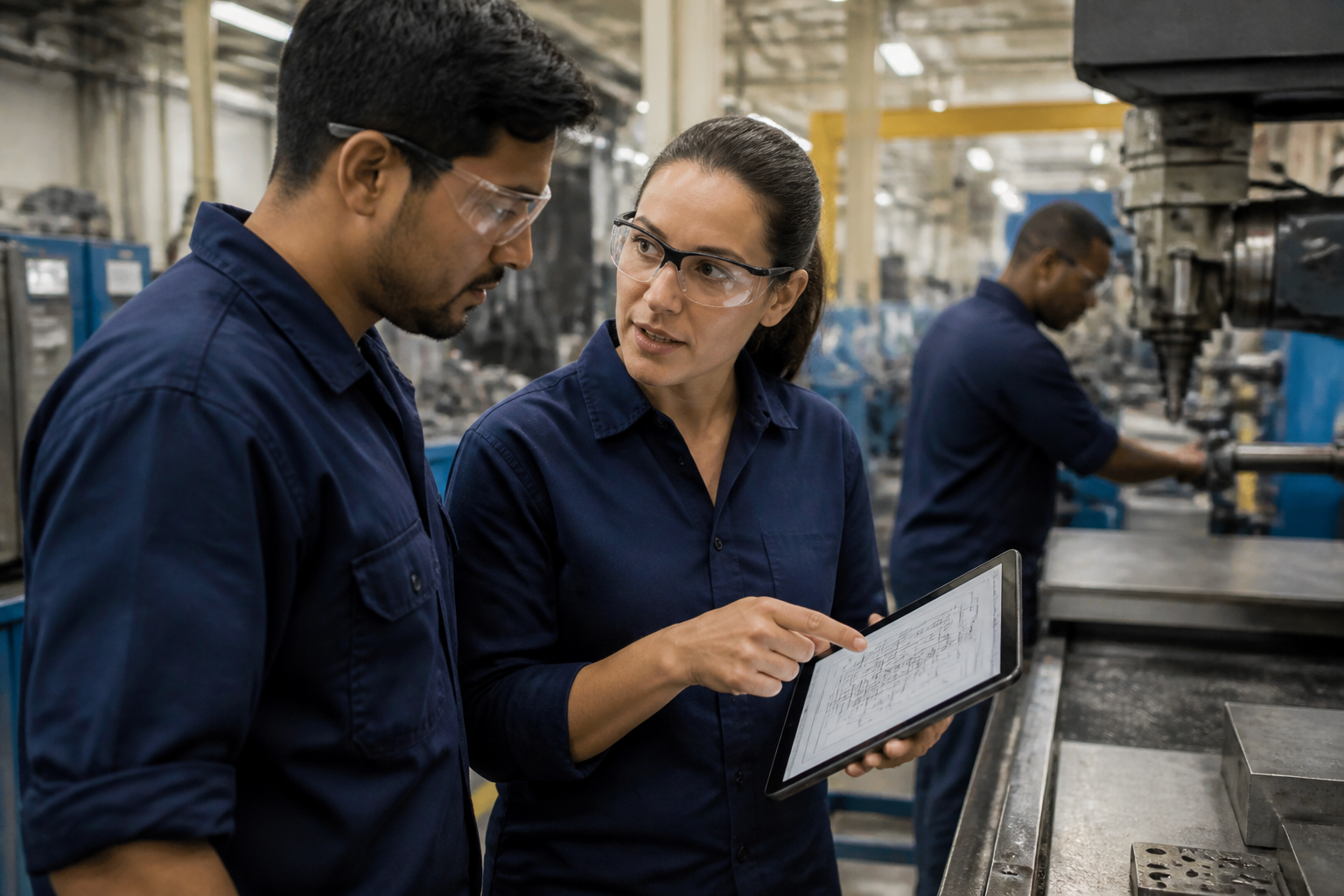
When employees can’t fully understand instructions, safety protocols, or everyday conversations, the consequences go far beyond confusion. Language barriers quietly erode morale, limit inclusion, and contribute to avoidable turnover—especially in manufacturing, logistics, and production environments where clarity is essential. Workers who feel excluded due to language differences are less likely to speak up, share ideas, or report concerns, leading to disengagement and eventual attrition.
In diverse industrial workplaces, true inclusion means ensuring every employee can participate confidently. Language proficiency isn’t just about fluency—it’s about access to safety, opportunity, and belonging. Employees who struggle with shift handoffs, equipment labels, or feedback often experience higher stress and lower job satisfaction.
To address this, organizations should prioritize:
Role-specific vocabulary tied to daily tasks and safety procedures
Peer mentoring to support cross-cultural communication
Regular check-ins to confirm understanding
Inclusive meetings that encourage participation
When communication improves, trust follows—strengthening retention and team cohesion.
Common Myths About Language Training
Many companies delay language training due to misconceptions that ultimately cost more in the long run:
“It’s too expensive.”
The cost of miscommunication—errors, accidents, and turnover—far outweighs training investment.
“Employees will learn on their own.”
Passive exposure rarely leads to proficiency, especially in safety-critical environments.
“General English is enough.”
Workplace communication requires job-specific language for accuracy and efficiency.
“There’s no measurable ROI.”
Benefits appear in reduced incidents, faster onboarding, and improved productivity.
“Only frontline workers need it.”
When leaders are included, communication improves across the entire organization.
How Language Training Improves Outcomes
Language training strengthens retention by helping employees feel understood, confident, and valued. It also plays a critical role in workplace safety—misunderstood instructions can lead to serious incidents. Ensuring all employees understand hazard communication, equipment procedures, and safety expectations significantly reduces risk.
Clear communication also enhances team performance. Employees collaborate more effectively, ask questions without hesitation, and handle tasks with greater accuracy. This leads to smoother operations, fewer errors, and stronger accountability across teams.
The Strategic Advantage
Addressing language gaps isn’t optional—it’s a competitive advantage. Companies that invest in communication see improvements in safety, efficiency, and employee engagement. When workers understand expectations and feel confident contributing, they are more likely to stay and perform at a higher level.
To move forward:
Assess language proficiency across teams
Integrate job-specific training into onboarding
Reinforce learning in real work scenarios
The result is a safer, more connected workplace where everyone operates with clarity and confidence.
Book your FREE Consultation Now via https://cal.com/newheightslanguages!
Visit New Heights Languages, LLC to see how you can increase retention, production, and safety while reducing language barriers for your team.