When Companies Ignore Language Barriers
By New Heights Languages ·
When Companies Ignore Language Barriers

When Companies Ignore Language Barriers
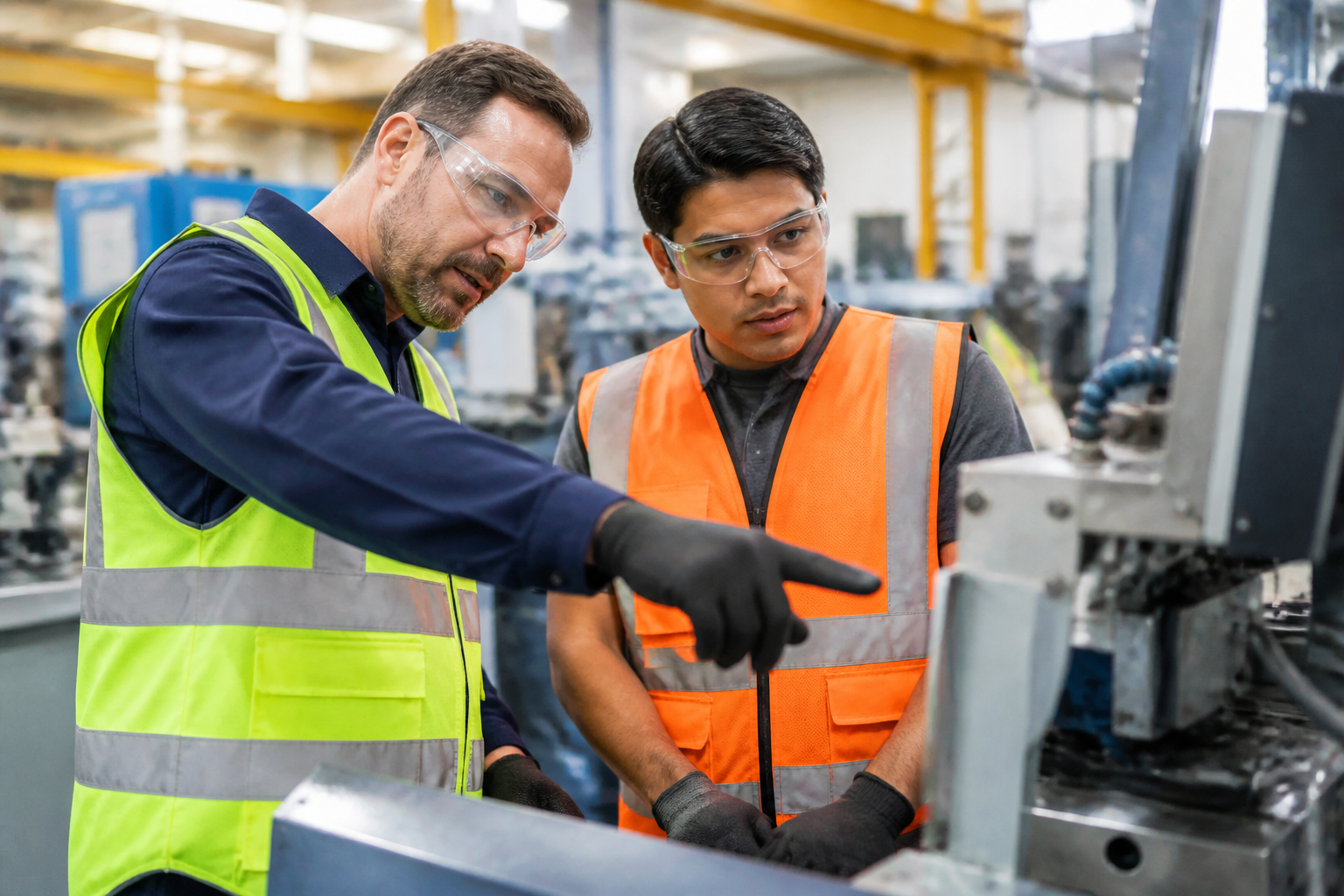
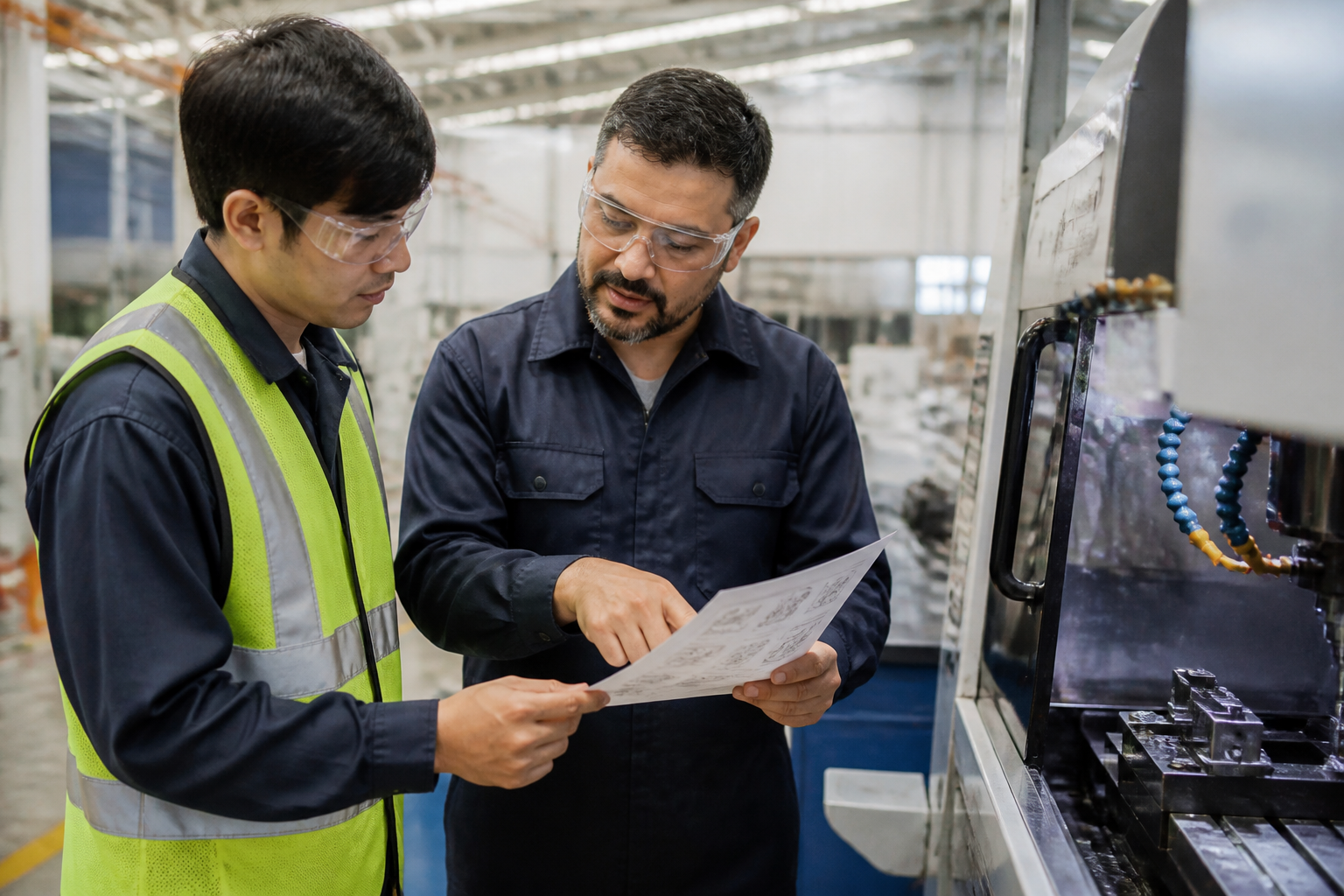
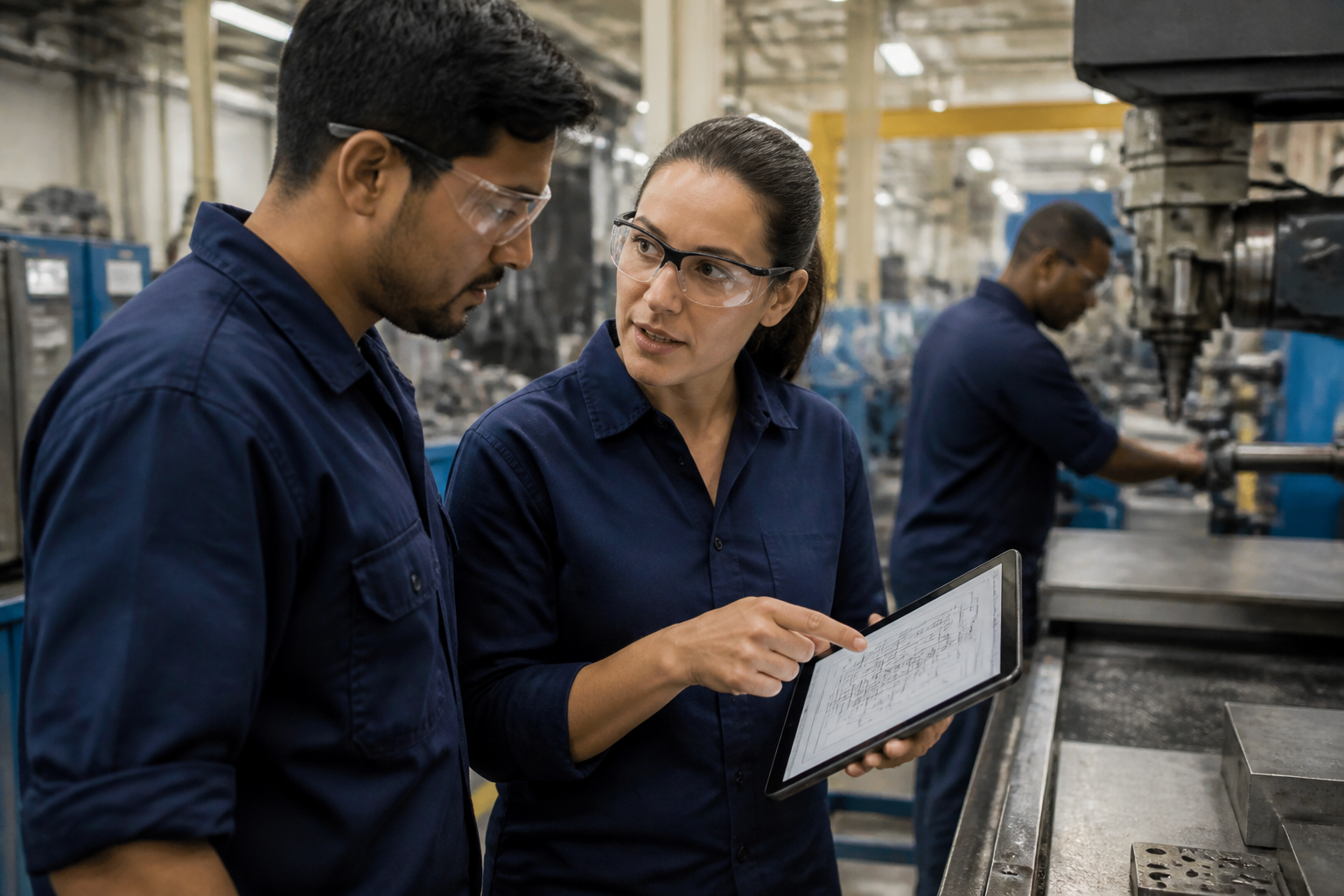
In today’s global manufacturing landscape, ignoring language differences isn’t just inconvenient—it’s a strategic risk. Workforces across hubs like Athens, GA, are increasingly multilingual, speaking languages such as Spanish, Vietnamese, and Arabic. When communication breaks down, the consequences go beyond misheard instructions.
Unaddressed language gaps directly impact productivity. Miscommunication leads to rework, delays, and downtime. In safety-critical environments, unclear protocols increase the likelihood of accidents and workers’ compensation claims. Over time, this erodes employee morale and raises turnover, especially among skilled non-native speakers who feel isolated.
Compliance becomes another concern. Regulatory agencies require that all employees clearly understand safety and operational procedures. Without verified comprehension—beyond just translated documents—companies face audit risks and potential citations, even if training is logged as complete.
Team cohesion also suffers. When workers don’t fully grasp instructions or engage in meetings, collaboration weakens. Leadership struggles to be effective if messages aren’t received as intended, creating cultural silos and reducing trust across shifts.
Here are five real-world consequences:
- Shift Handoff Errors – Critical updates about machine status or safety hazards can be lost during changeovers if teams speak different languages.
- Safety Hazards – Employees may misunderstand lockout/tagout procedures or chemical handling steps. Visual aids and hands-on training improve actual comprehension.
- Production Mistakes – A misinterpreted work order or setting can cause scrap, rework, or delays. Instructions available in relevant languages help ensure accuracy.
- Low Employee Engagement – Workers who can’t follow discussions often disengage, harming team unity.
- Audit Vulnerabilities – Lack of documented comprehension across language groups can lead to compliance failures, regardless of training records.
So, what can leaders do?
- Implement visual and role-specific training.
- Conduct safety briefings in employees’ primary languages.
- Use bilingual mentors to reinforce key concepts.
- Integrate language skill development into onboarding and continuous upskilling.
Technology, like translation apps, helps but isn’t enough. These tools often miss context, especially with technical or safety-specific terms. Human-led instruction ensures clarity and builds confidence.
The future of manufacturing depends on inclusion. Proactive language strategies aren’t an HR perk—they’re an operational necessity. Clear communication improves safety, reduces errors, and supports employee retention. Companies that embed language development into daily operations, such as through microlearning during breaks or shift handoffs, see measurable improvements in both performance and culture.
Ignoring language barriers limits scalability. But when teams communicate effectively, productivity rises, incidents drop, and employees feel valued. Start by assessing communication gaps, then build simple, repeatable solutions into existing workflows. Your workforce—and your bottom line—will thank you.
Book your FREE Consultation Now via https://cal.com/newheightslanguages!
Visit New Heights Languages, LLC to see how you can increase retention, production, and safety while reducing language barriers for your team.