Hot Work Permit Language Barrier Construction Guide
By New Heights Languages ·
Prevent jobsite fire hazards by bridging the hot work permit language barrier construction crews face during welding and cutting operations.
A single stray spark from an oxy-fuel torch or shielded metal arc welder can ignite combustible materials in seconds. On busy commercial construction jobsites, hot work permits serve as the primary line of defense against catastrophic fires. However, when general contractors manage multilingual subcontractor crews, critical permit conditions frequently fall through the cracks. Overcoming the hot work permit language barrier construction managers encounter daily requires more than handing out translated paperwork. It demands clear verbal protocols, verified fire watch handoffs, and target language fluency for high-risk tasks.
Hot work compliance depends on real-time communication between general contractor superintendents, trade foremen, torch operators, and designated fire watches. When workers cannot verify that combustibles are cleared within 35 feet or fail to understand the required duration of a fire watch, the entire jobsite is exposed to severe risk.
The High-Risk Breakdowns in Multilingual Hot Work Permits
Standard hot work permits list rigorous precautions: clearing flammable materials, covering wall openings, deploying fire extinguishers, and maintaining a post-work fire watch. When language barriers exist between site supervisors and trade subcontractors, compliance breaks down at three specific operational points.
1. The Pre-Permit Inspection Walkthrough
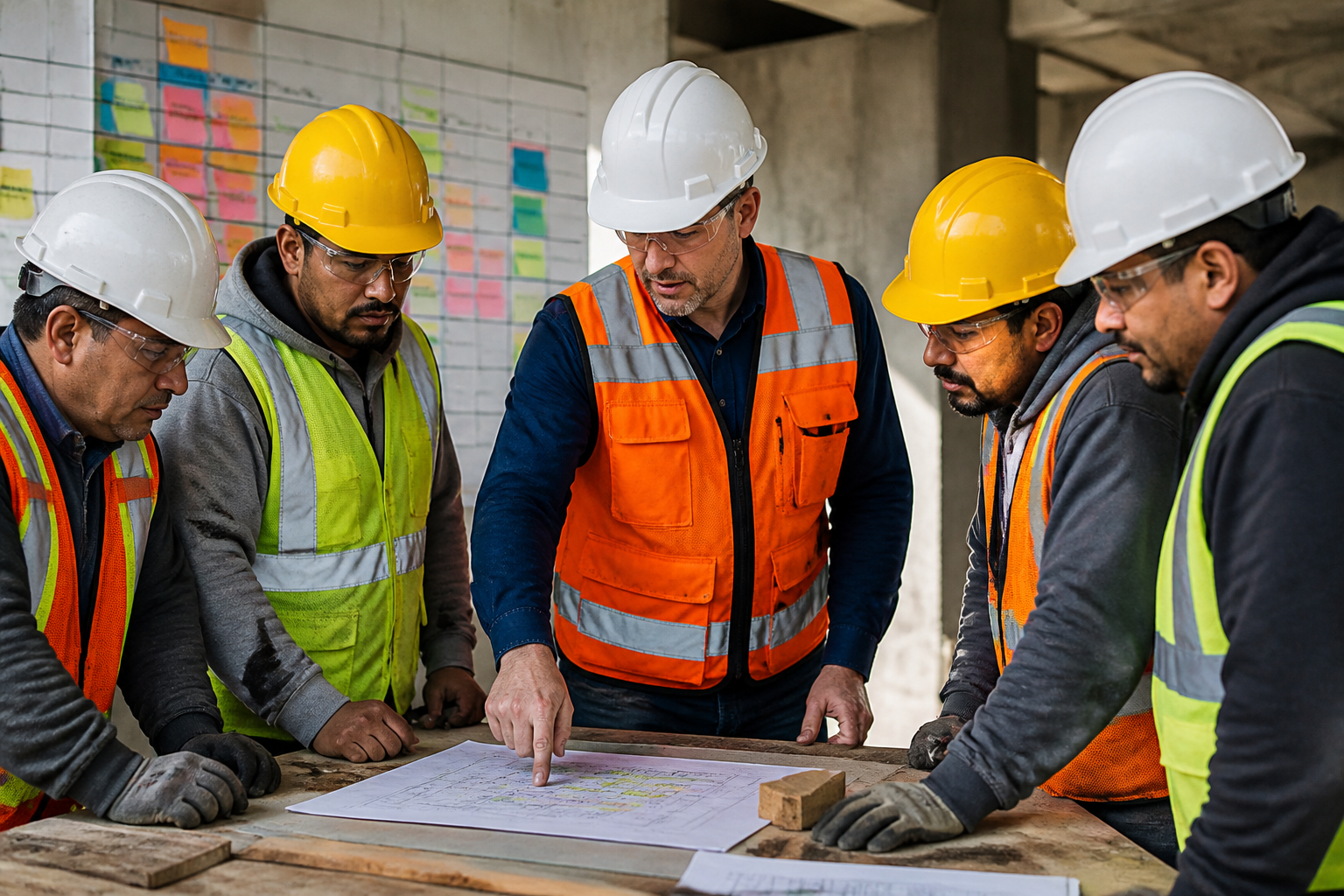
Superintendents often walk the work area with a subcontractor foreman to verify site conditions. If the foreman nods without fully understanding instructions about lower-level spark drops or concealed spaces, the permit gets signed despite active hazards.
2. Misunderstanding Fire Watch Responsibilities
A fire watch is not an extra set of hands for material handling. In many cases, non-English speaking workers assigned to fire watch duties are asked by their crews to carry pipe or prep materials. Because they cannot read the permit or understand the English-only safety orientation, they do not realize that stepping away from their post violates OSHA standards and NFPA 51B guidelines.
3. The 30-to-60 Minute Post-Work Monitoring Period
The risk of smoldering fires remains high after cutting or welding stops. When shift changes occur during the mandatory monitoring period, workers frequently fail to communicate elapsed times to incoming personnel due to language obstacles. Addressing the hot work permit language barrier construction sites experience requires formalizing how this handoff occurs.
Essential Jobsite Vocabulary for Hot Work Audits
To audit hot work effectively, field supervisors and trade foremen need shared terminology. Relying on vague hand gestures or generic signs leads to misinterpretation. Key functional terms must be integrated into daily tooltalks and permit issuing processes:
- Combustible Clearance: Moving paper, insulation, trash, and wood at least 35 feet away from sparks.
- Slag / Spark Containment: Placing fire-rated blankets or containment pads underneath overhead cutting.
- Continuous Fire Watch: Remaining dedicated solely to watching for smoke or flames during work and for at least 30 minutes after completion.
- Concealed Spaces: Checking wall penetrations, pipe chases, and floor openings where sparks can fall undetected.
- Permit Authorization: The formal sign-off confirming site conditions match safety requirements before equipment is energized.
Verifying Permit Conditions Beyond Translated Forms
Translating hot work permits into Spanish or other trade languages is a necessary baseline, but translation alone does not ensure understanding. Field leaders must implement active verification steps before signing off on any high-risk activity.
Implement the 'Teach-Back' Method for Permit Issuance
Instead of asking a subcontractor foreman, "Do you understand the permit?" ask specific, action-oriented questions. Require the foreman or torch operator to explain the controls back to you: "Show me where your sparks will fall," or "Who is standing fire watch when you take lunch?" If they cannot explain the plan clearly, the permit is not issued.
Standardize Visual Permit Markers on the Floor
Use clear visual indicators at the physical work location. Hang highly visible permit pouches directly at the torch station, and use color-coded tags on fire extinguishers assigned specifically to that hot work area. This allows non-English speaking inspectors and safety managers to verify active permits instantly.
Eliminate Dual-Role Distractions
Ensure trade foremen explain to non-English speaking crews that the fire watch has zero secondary duties. Overcoming the hot work permit language barrier construction supervisors face involves making it explicitly clear in the worker's native language that the fire watch cannot sweep, fetch tools, or assist with fitting while hot work is active.
Standardizing the Fire Watch Shift Handoff
The post-work fire watch period is historically where smoldering fires take hold. If a welder finishes cutting structural steel at 3:30 PM and leaves the site, the fire watch must stay until at least 4:00 PM (or up to 60 minutes depending on project specifications). If a relief fire watch takes over at 3:45 PM, the transfer of responsibility must be seamless.
Establish a written and verbal handoff routine:
1. Time Stamp Verification: The outgoing fire watch shows the incoming worker the recorded end-of-work time on the physical permit.
2. Physical Hazard Pointing: The outgoing worker physically points out high-risk areas—such as a pipe chase or lower deck—where slag fell during cutting.
3. Extinguishing Equipment Transfer: The incoming fire watch physically takes possession of the dedicated fire extinguisher and confirms water hose pressure if applicable.
4. Final Superintendent Sign-Off: The incoming worker signs the permit only after completing the remaining watch duration and inspecting the area one final time.
Building Practical Language Skills for Construction Subcontractors
Jobsite signs and translated forms help manage immediate hazards, but long-term risk reduction requires developing functional English language skills across your jobsite workforce. When trade foremen, welders, and safety leads share a practical working vocabulary, hot work compliance becomes consistent across all trades.
Targeted language training for construction crews should focus directly on real-world jobsite scenarios: reading permits, conducting safety huddles, reporting near-misses, and coordinating cross-trade tasks. Investing in practical language instruction reduces reliance on quick translation apps that often fail to accurately translate specialized trade terms like "flashback arrestor" or "fire-retardant blanket."
Clear communication directly protects your workers, your schedule, and your bottom line. Take a proactive approach to jobsite safety and eliminate communication gaps across your projects.
Help your superintendents and trade crews bridge the language barrier on your jobsite. [Book a free consultation with New Heights Languages today](/contact) to discuss customized workplace English and Spanish training programs designed for construction employers.
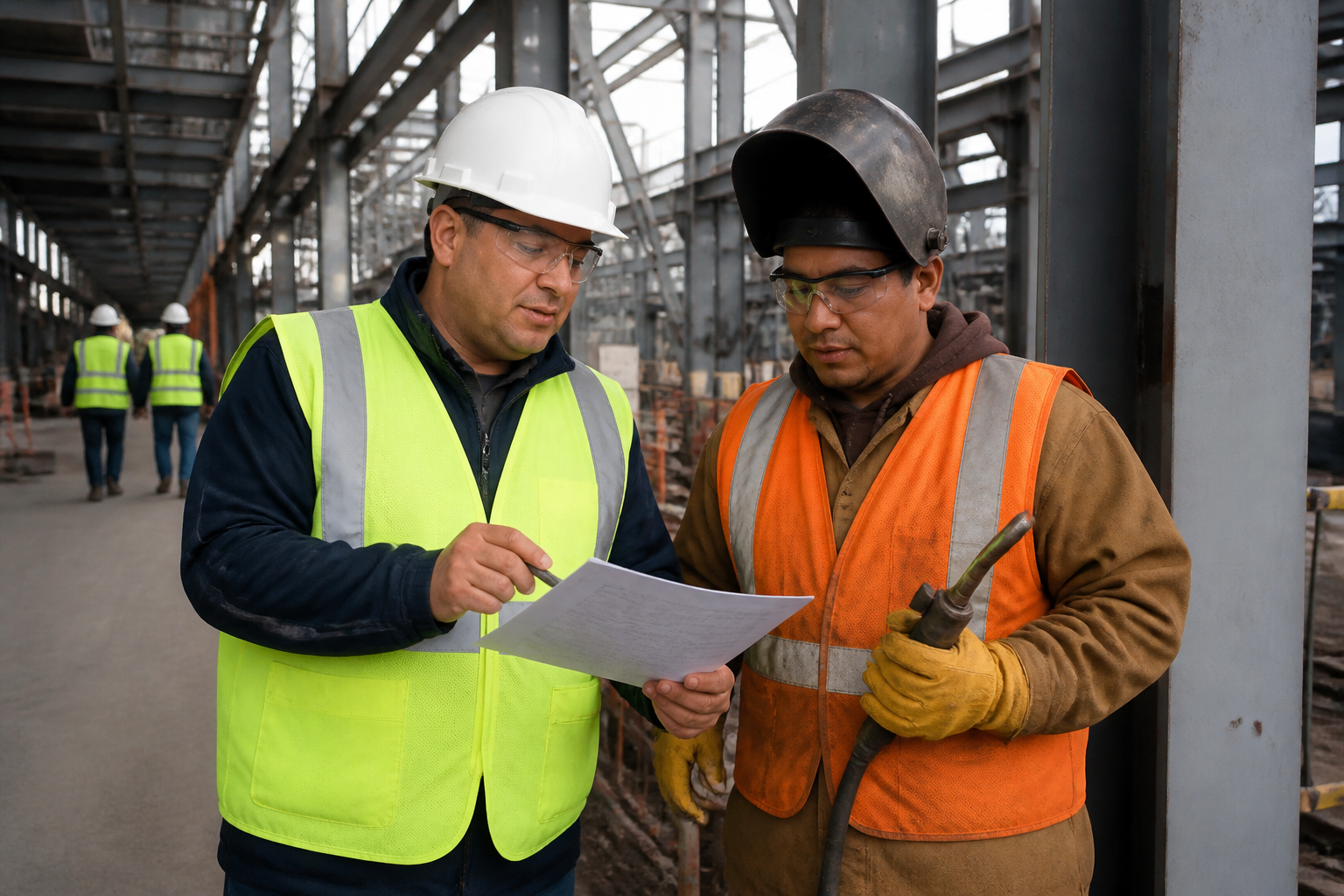
<!-- featured image alt: A bilingual safety supervisor reviewing a hot work permit with a Spanish-speaking welder on a structural steel construction jobsite. -->