Workplace Buddy System Onboarding ESL Workers Guide
By New Heights Languages ·
Build an effective workplace buddy system onboarding ESL workers in manufacturing and construction to boost retention, safety, and floor productivity.
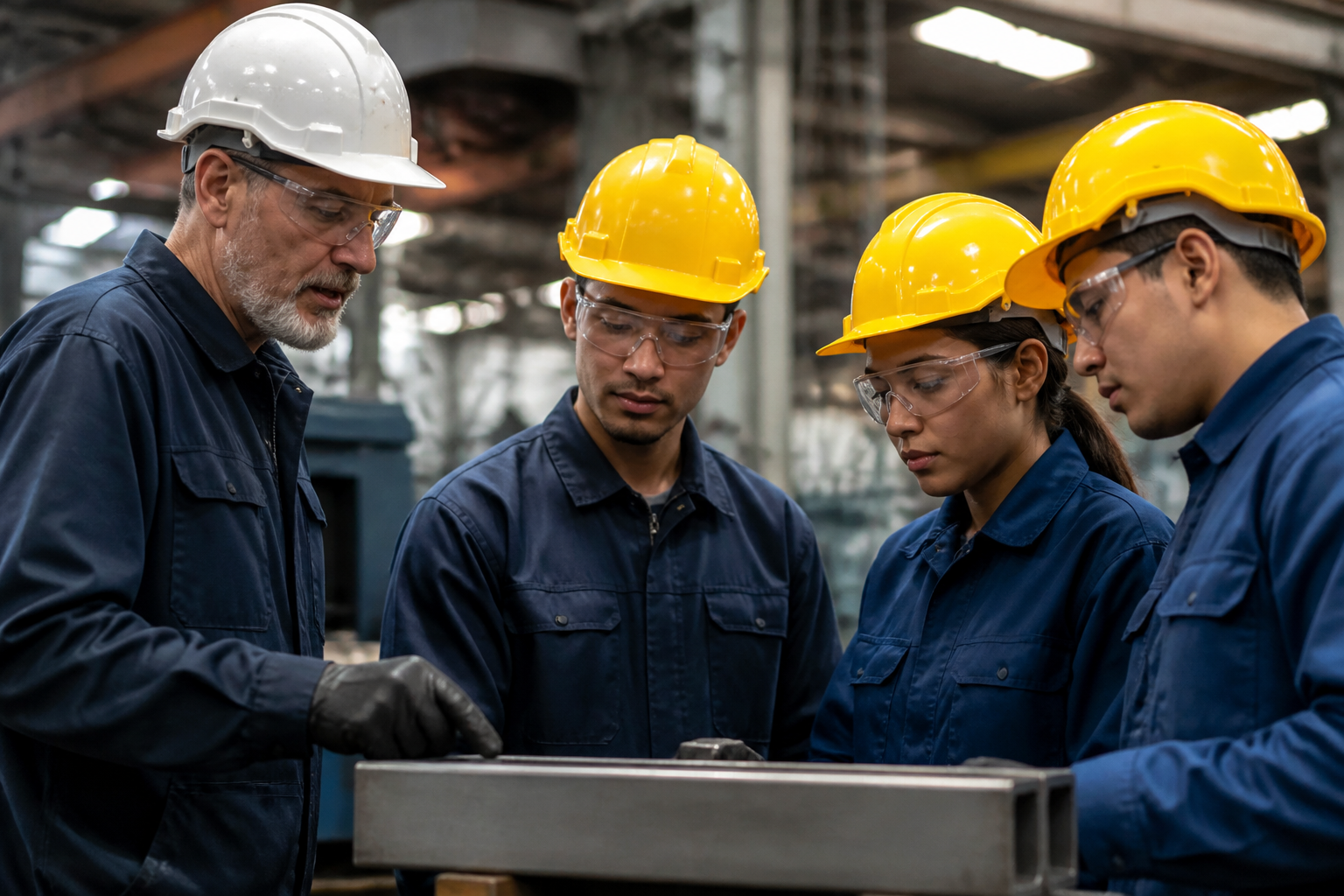
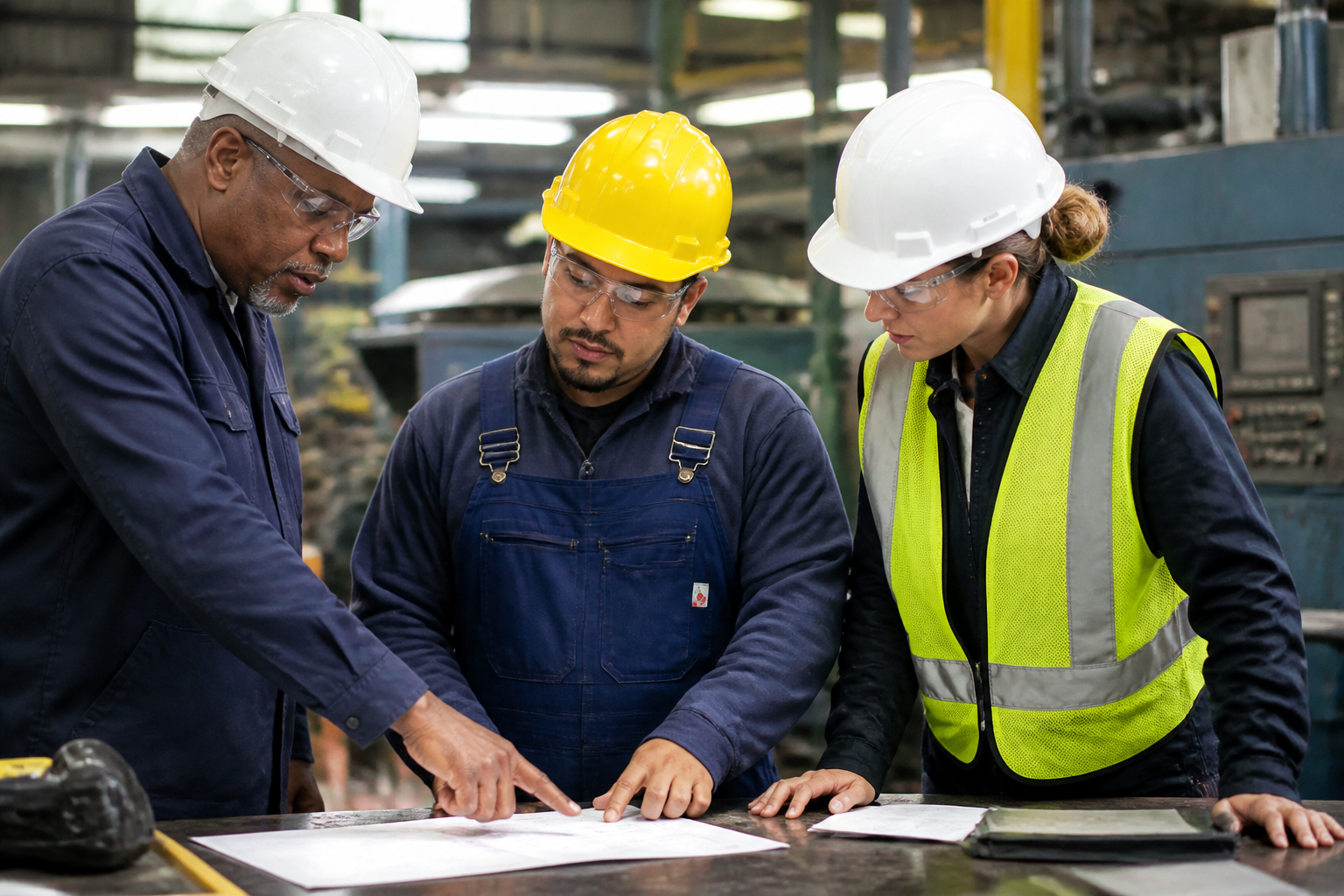
Onboarding new hires in high-volume manufacturing plants and active construction sites is challenging under normal conditions. When new operators or field crew members have Limited English Proficiency (LEP), standard classroom orientation and written handbooks fall short. Implementing a structured workplace buddy system onboarding ESL workers creates a direct, peer-level bridge on the production floor. This operational strategy accelerates time-to-productivity, reduces early turnover, and reinforces site safety protocols.
Without dedicated floor support, non-native English speaking employees often hesitate to ask questions during shift huddles or flag equipment anomalies. A designated workplace mentor provides immediate clarification, lowering anxiety and preventing costly operational mistakes during the critical first few weeks of employment.
Selecting the Right Peer Mentors on the Shop Floor
Not every senior operator makes an effective mentor. Choosing the wrong buddy can accidentally reinforce unsafe workarounds or increase frustration for non-English speaking new hires. When building your peer mentor pool, look beyond job seniority.
Core Qualification Criteria
- Safety Compliance Record: Mentors must consistently follow Lockout/Tagout, PPE requirements, and standard operating procedures (SOPs) without cutting corners.
- Cross-Cultural Patience: Select workers who exhibit empathy and are willing to demonstrate tasks physically rather than relying solely on verbal instructions.
- Bilingual Ability or Strong Visual Communication: While native or fluent bilingual mentors are ideal, monolingual English speakers who excel at visual demonstration and patient communication can also serve effectively.
- Peer Respect: Mentors should be respected by their shift crew to ensure the new hire feels welcomed into the broader culture.
Avoid pairing new hires with high-performing operators who prefer working independently and become impatient when explaining processes.
Defining Clear Roles and Boundaries for the Buddy System
To prevent mentor burnout and ensure operational consistency, define the boundaries of the buddy role. A peer mentor is not an official HR translator, a formal job evaluator, or a supervisor.
When deploying a workplace buddy system onboarding ESL workers, clarity of responsibilities keeps both the mentor and new employee focused on practical floor integration.
Mentors Are Responsible For:
- Guiding the new hire through daily facility geography (breakrooms, tool cribs, emergency exits, and PPE distribution stations).
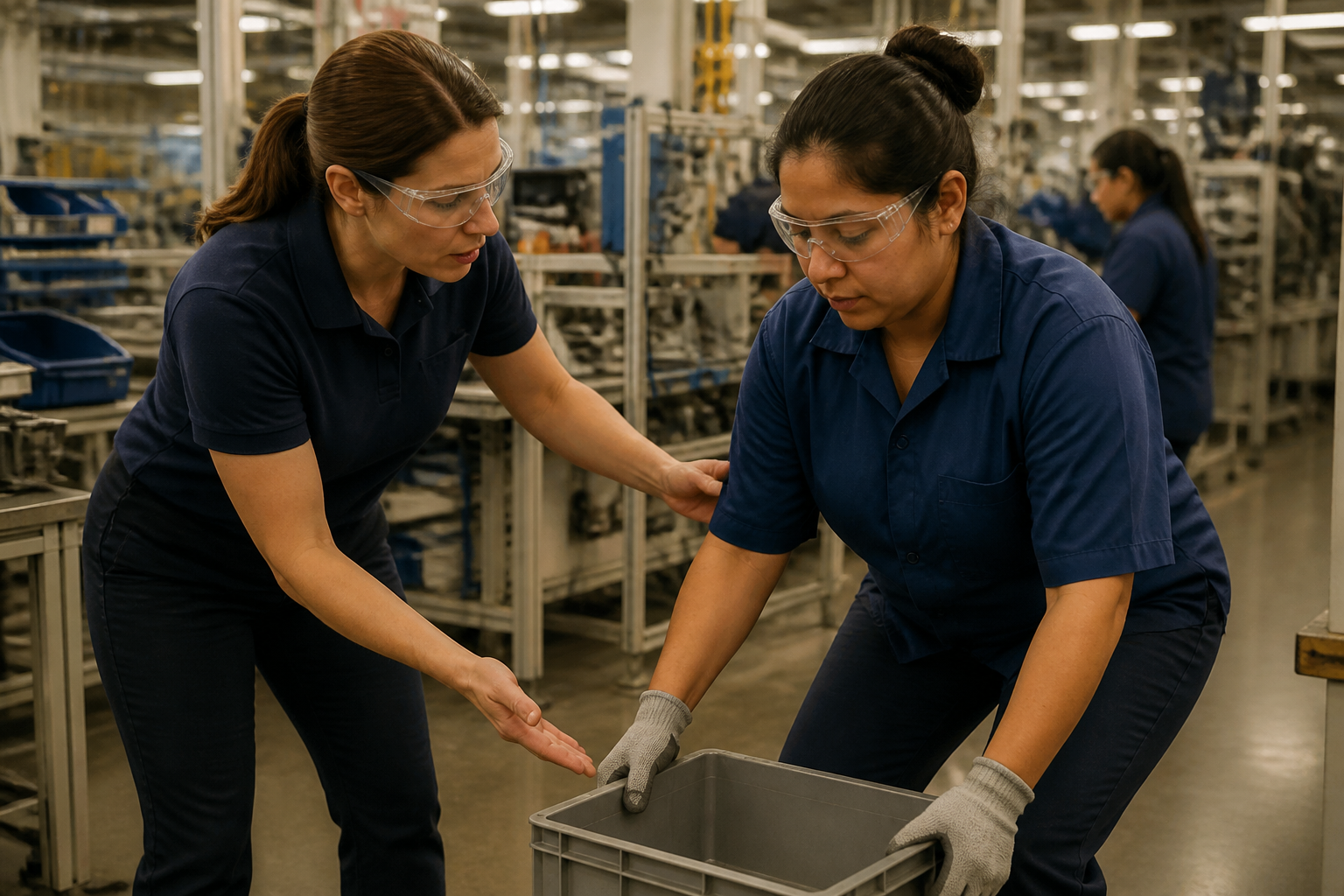
- Demonstrating proper machine setup, tool handling, and material staging side-by-side.
- Reinforcing safety callouts and explaining common site-specific jargon, acronyms, and visual signage.
- Introducing the worker to shift teammates and helping them navigate breakroom routines.
- Serving as a safe, approachable contact for quick operational questions.
Mentors Are NOT Responsible For:
- Conducting formal performance evaluations or disciplinary reviews.
- Translating complex legal, insurance, or HR policy documents.
- Managing attendance records or shift schedule changes.
Training Mentors for Effective Cross-Language Support
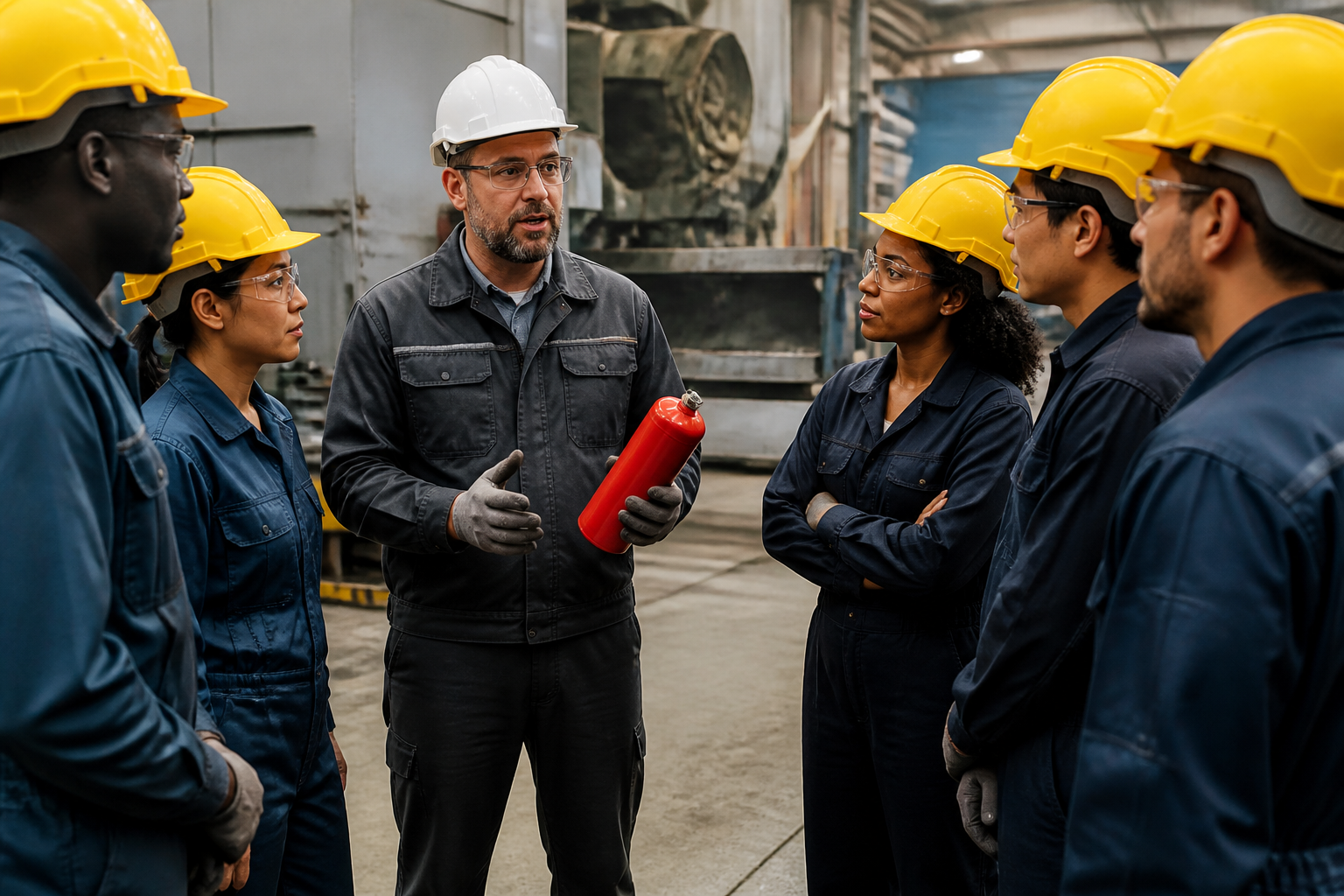
Even experienced operators need guidance on how to train someone across a language barrier. Before assigning a new hire, provide mentors with brief, practical training on cross-cultural communication techniques.
Eliminate Slang and Acronyms
Industrial environments rely heavily on shop floor jargon (e.g., "whip," "lock out," "tweak," "deadhead"). Train mentors to use standard terminology and point directly to tools, visual control boards, or machine components when speaking.
Use the "Show-Teach-Check" Method
Rather than asking, "Do you understand?"—which often prompts a polite nod regardless of actual comprehension—instruct mentors to use practical verification. The mentor performs the task, guides the worker through doing it together, and then asks the worker to demonstrate the process independently while explaining or showing key safety checks.
Pace Information Delivery
Avoid overwhelming non-English speaking employees with entire machine processes on day one. Teach mentors to break down complex assembly or staging operations into single-shift modules.
Measuring 30, 60, and 90-Day Success and Retention Metrics
Tracking quantitative data proves the ROI of your workplace buddy system onboarding ESL workers during their initial onboarding window. Monitor floor performance data to identify where mentoring succeeds and where additional support is required.
30-Day Metrics: Safety and Attendance
During the first month, track safety incident rates, near-miss reports, and unexcused absences. Effective buddy systems lead to an immediate decline in basic safety protocol violations and lower 30-day absenteeism among LEP new hires.
60-Day Metrics: Time-to-Productivity and Scrap Rates
Measure how quickly new operators reach standard line speed or task quota compared to previous cohorts. Track scrap, rework, or material waste levels. A clear mentor bridge minimizes errors caused by misunderstood job instructions.
90-Day Metrics: Retention and Engagement
Evaluate overall turnover at the 90-day mark. Employees who feel supported and connected to a peer on the floor show significantly higher retention rates in manufacturing and construction roles.
Transitioning from Peer Buddies to English Independence
A peer buddy system provides immediate support during onboarding, but reliance on bilingual co-workers as permanent translators creates operational bottlenecks and places an unfair burden on senior staff. Long-term productivity requires building functional English skills directly within your workforce.
Integrating customized workplace English training alongside your buddy system allows new employees to gain independence quickly. When language instruction focuses directly on your plant's equipment names, safety rules, and daily operational terms, workers gain the confidence to communicate directly with supervisors, report hazards independently, and cross-train on advanced machinery.
Build a Stronger Onboarding Program for Your Floor
Optimizing your onboarding process for non-native English speakers requires a combination of structured floor support and targeted workplace language training. New Heights Languages partners with manufacturing plants and construction companies to deliver customized, job-specific English and Spanish training that improves safety, quality, and retention.
Contact us today to [book a free consultation](/contact) and discuss how to tailor language programs to your site's operational needs.
<!-- featured image alt: A senior manufacturing supervisor and an operator reviewing equipment protocols on a busy factory floor. -->